Iran Hackers Target FBI Director; US Weighs Troop Buildup Amid Tensions
Iran-linked hackers claim to have breached FBI Director Kash Patel's personal emails, publishing sensitive documents. This comes as the U.S. extends a deadline for Iran to reopen the Strait of Hormuz, while the Pentagon reportedly considers sending thousands more troops to the Middle East amid escalating tensions. Experts express concern over Iran's cyber capabilities and the strategic direction of U.S. policy.


Iran-Linked Hackers Breach FBI Director’s Emails
Breaking news emerged on March 27th as Reuters reported that hackers linked to Iran claimed to have breached the personal email account of FBI Director Kash Patel. The group published photographs, a purported resume, and personal correspondence dating between 2010 and 2019. However, MS Now has not independently confirmed the legitimacy of these documents, and the FBI stated they are unaware of the specifics of the alleged hack.
Expert Concerns Over Sophistication and National Security
Former CIA Director John Brennan highlighted the significant cyber capabilities of Iran, noting an increase in their efforts due to ongoing conflicts. He expressed that while the FBI director is a high-profile target, making such a breach unsurprising, the sophistication of Iranian cyber operations is a growing concern. Brennan emphasized that the potential national security implications depend on what information the hackers accessed. “It depends on what the Iranians have been able to access whether it’s against Kash Patel or others than to see whether or not what they have been able to obtain gives them some type of insight into national security matters,” he stated. He also urged other officials to remain vigilant.
Shifting Diplomatic Deadlines and Military Posturing
The alleged hack comes as President Trump announced a 10-day extension for Iran to reopen the Strait of Hormuz, delaying potential attacks on Iranian power plants. The President explained the extension was granted at Iran’s request, despite his dissatisfaction with the progress of negotiations. “So they asked for seven and I said I’m going to give you 10 because they gave me ships,” Trump stated.
Former Congresswoman Jane Harmon suggested the extension serves both Iran and the President, providing more time for diplomacy or preparation. She also voiced concerns about the weakening of U.S. cyber defenses at key government agencies, stating, “we have dumbed down our cyber defenses both at DHS, DOJ, and DoD. That’s been a Trump priority.” Harmon pointed out that the breach was discovered through the hackers’ claims, not U.S. intelligence, and warned of similar threats from China.
Pentagon Considers Troop Surge Amid Escalating Tensions
Adding to the complexity, The Wall Street Journal reported that the Pentagon is considering sending an additional 10,000 ground troops to the Middle East. This potential deployment, which would be in addition to thousands of Marines and airborne troops already sent, signals a significant escalation of U.S. military posture. A senior White House official told MS Now that the President is growing impatient with the situation, while also suggesting Iran’s ability to control the Strait of Hormuz may erode in the coming weeks.
Analysis: A War of Choice Becoming a Crisis of Necessity
Experts like Aaron David Miller, a former Arab-Israeli negotiator, described the situation as a “war of choice” that has tragically evolved into a “war of necessity.” Miller noted that the assumptions underpinning the conflict, such as Iran being close to a nuclear weapon or posing an imminent threat, have proven false. He stated, “The assumptions on which it was based are also proven to be false.” Miller also highlighted Iran’s capacity to weaponize geography and the regime’s resilience.
The effectiveness of U.S. military actions is also being questioned, with reports suggesting only about a third of Iran’s ballistic missiles have been destroyed. This raises concerns about overstating military achievements, a pattern previously seen. The strategic goal of opening the Strait of Hormuz remains central, but the path forward is unclear, with limited options for negotiation or forceful action.
Broader Implications and Future Outlook
The unfolding events underscore the volatile nature of the Middle East and the challenges in navigating complex geopolitical situations. The alleged hack, the diplomatic deadlines, and the military buildup create a tense environment. Analysts suggest that the administration may be seeking an “off-ramp” from the conflict, potentially influenced by market reactions and the need to manage domestic and international perceptions. The coming days will be crucial in determining whether diplomatic efforts can de-escalate tensions or if the situation will lead to further military engagement.
Source: MS NOW Highlights – March 27 (YouTube)

Related Articles


FBI Director’s Hacked Emails Expose Personal Life, Security Failures
FBI Director Cash Patel's personal email account was reportedly hacked by Iranian-linked hackers, exposing sensitive personal information and raising serious questions about his security practices and competence. The breach includes details about his private life, finances, and alleged visits to adult websites.

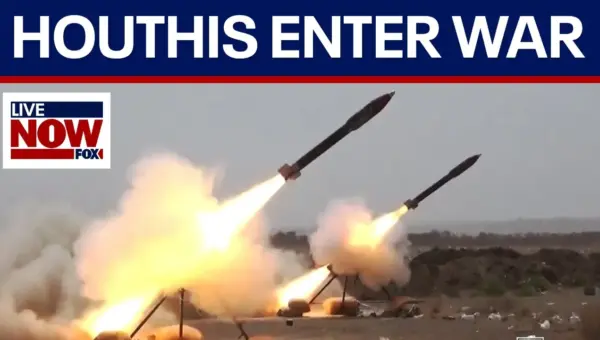
Iran-Backed Houthis Strike Israel, Escalating Regional Tensions
Iran-backed Houthi rebels have launched a missile attack targeting Israel, marking their first such strike since the current Middle East conflict began. The Israeli military confirmed the interception of the projectile. Analysts view this action as part of Iran's broader regional strategy, highlighting the regime's reliance on proxy forces amid internal weaknesses.


Iran Extends Strait of Hormuz Deadline Amid Global Oil Tensions
The U.S. has granted Iran a 10-day extension to reopen the Strait of Hormuz, a critical global oil route. This move comes amid complex negotiations, military actions, and concerns over Iran's strategic leverage and resilience. Lawmakers express frustration over the lack of a clear strategy and potential escalation.