Congress Splits, DHS Funding Stalls Amid Border Dispute
The U.S. House of Representatives passed a bill to fund the Department of Homeland Security (DHS) for eight weeks, but a deep disagreement with the Senate means the shutdown continues. TSA agents will receive paychecks soon, but other DHS agencies remain unfunded. The dispute centers on border security policy.

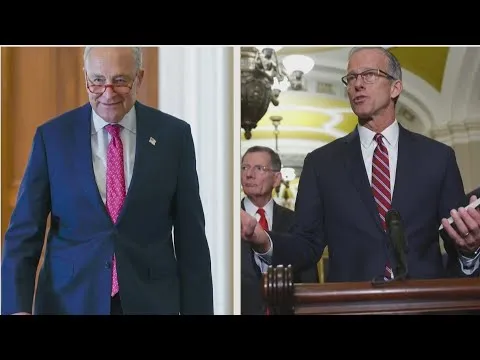
Congress Fractures Over DHS Funding, Shutdown Persists
Washington lawmakers are locked in a deep disagreement over how to fund the Department of Homeland Security (DHS). This dispute has led to a prolonged shutdown, now in its 43rd day. The House of Representatives recently passed its own bill to fund the DHS for eight weeks. However, this plan differs significantly from a deal previously reached in the Senate. This split means the future of DHS funding remains uncertain as Congress heads into a two-week spring break. The immediate consequence is that essential agencies within DHS, like FEMA, the Coast Guard, and the Secret Service, continue to operate without full funding.
House Republicans Clash with Senate Democrats on Border Policy
The core of the disagreement lies in how to address border security. House Republicans have strongly opposed the Senate’s plan, particularly its inclusion of funding for Immigration and Customs Enforcement (ICE) and Border Patrol. Many Republicans argue that these agencies are vital for national security and should not have their funding threatened. They see the current border situation as critical, making it the wrong time to cut funding for law enforcement at any level. This fundamental difference in approach has stalled negotiations and deepened the political divide.
Senate Rejects House Proposal, Citing National Security Concerns
Senate Minority Leader Chuck Schumer immediately declared the House’s eight-week funding bill “dead on arrival.” This strong reaction signals that the Senate is unlikely to accept the House’s proposal as is. The Senate’s initial deal, which House Republicans rejected, aimed for a broader, longer-term funding solution. By focusing on the border and withholding funds for certain DHS components, House Republicans are attempting to force a policy change. However, this tactic has created a stalemate, leaving the entire department in a precarious financial position.
TSA Agents to Receive Paychecks Amid Funding Chaos
Despite the ongoing shutdown, there is a glimmer of good news for some DHS employees. President Trump signed an executive order to ensure that Transportation Security Administration (TSA) agents receive their paychecks. This move is expected to ease the travel disruptions many Americans have experienced. Long security lines, sometimes stretching for hours at airports, have been a major inconvenience. The funds for TSA salaries will reportedly come from a large bill passed by Congress last year. DHS Secretary Mark Wayne Mullin indicated that TSA workers could receive their overdue pay as soon as the upcoming Monday. This addresses a critical need for TSA personnel who have been working without pay for weeks.
Broader Implications: A Nation Divided on Security and Funding
The ongoing shutdown highlights a deep division within the U.S. government regarding national security priorities and funding mechanisms. The Department of Homeland Security, created after the September 11th attacks in 2001, is responsible for a wide range of critical functions. These include border control, immigration enforcement, disaster response, and protecting national infrastructure. When such a vital department faces funding uncertainty, it raises concerns about its ability to perform these essential duties effectively. The political fight over DHS funding is not just about budget numbers; it reflects fundamental disagreements about immigration policy, border security, and the role of federal agencies.
Why This Reshapes the World Order
While this conflict is internal to the United States, it has broader implications. A government struggling to fund its own core security operations can appear unstable on the international stage. Allies may question U.S. reliability, while adversaries might see an opportunity to exploit perceived weaknesses. Furthermore, disruptions at major U.S. airports can affect international travel and trade, creating minor but noticeable economic ripples globally. The focus on border security also ties into larger global discussions about migration and national sovereignty, making U.S. policy decisions closely watched worldwide.
Historical Context
Government shutdowns are not new in U.S. history. They often occur when Congress cannot agree on spending bills. However, the prolonged nature of this shutdown and its specific focus on a department as critical as DHS underscore the current political polarization. Past funding battles have sometimes centered on specific policy riders or ideological clashes. This situation echoes earlier debates about the balance between national security needs and fiscal responsibility, but the intensity of the current partisan divide makes finding common ground exceptionally difficult.
Economic Leverage and Future Scenarios
The economic impact of the shutdown is multifaceted. While TSA agents will eventually be paid, other DHS employees and contractors may face significant financial hardship. The uncertainty itself can harm morale and operational efficiency within the department. The use of executive orders to bypass congressional gridlock, as seen with TSA pay, demonstrates a willingness to find workarounds but does not solve the underlying funding problem. Looking ahead, several scenarios are possible. Congress could eventually reach a bipartisan compromise, perhaps by separating funding for border security from the rest of DHS. Alternatively, the shutdown could continue, leading to further disruptions and potentially impacting national security operations. A third possibility is a prolonged period of short-term funding extensions, which would create ongoing instability.
Source: House passes bill to fund DHS but shutdown continues | Morning in America (YouTube)

Related Articles
Congress Fails TSA Workers, Fueling Uncertainty
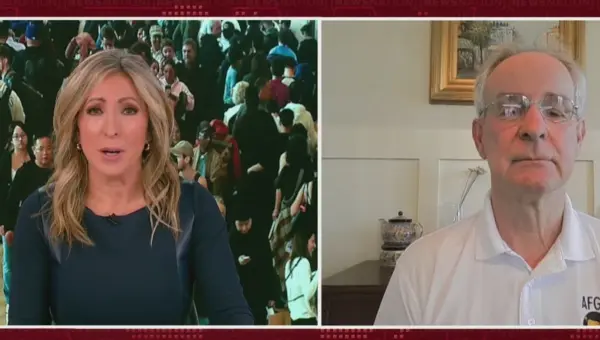
TSA agents are facing extreme financial hardship due to ongoing government shutdowns. Despite promises of back pay, union leaders express deep concern over long-term job security and the financial strain on workers. The lack of consistent pay raises questions about Congress's commitment to essential public servants.


FBI Director’s Hacked Emails Expose Personal Life, Security Failures
FBI Director Cash Patel's personal email account was reportedly hacked by Iranian-linked hackers, exposing sensitive personal information and raising serious questions about his security practices and competence. The breach includes details about his private life, finances, and alleged visits to adult websites.


Iran: Regime’s Tactics Shift Global Power Dynamics
Iran's regime is employing strategic tactics, including control of the Strait of Hormuz, to counter U.S. military might. Meanwhile, a U.S. government shutdown paralyzes domestic services, highlighting deep political divisions. These geopolitical shifts, alongside profound personal tragedies, signal a turbulent global landscape.