Israel’s Strategy Against Iran Revealed
Israel's strategy to counter Iran's nuclear ambitions and regional influence centers on containment, utilizing a mix of covert military actions, intelligence operations, and diplomatic pressure. Analysts highlight the growing urgency due to Iran's nuclear advancements, while also noting the persistent risk of escalation in the volatile Middle East.

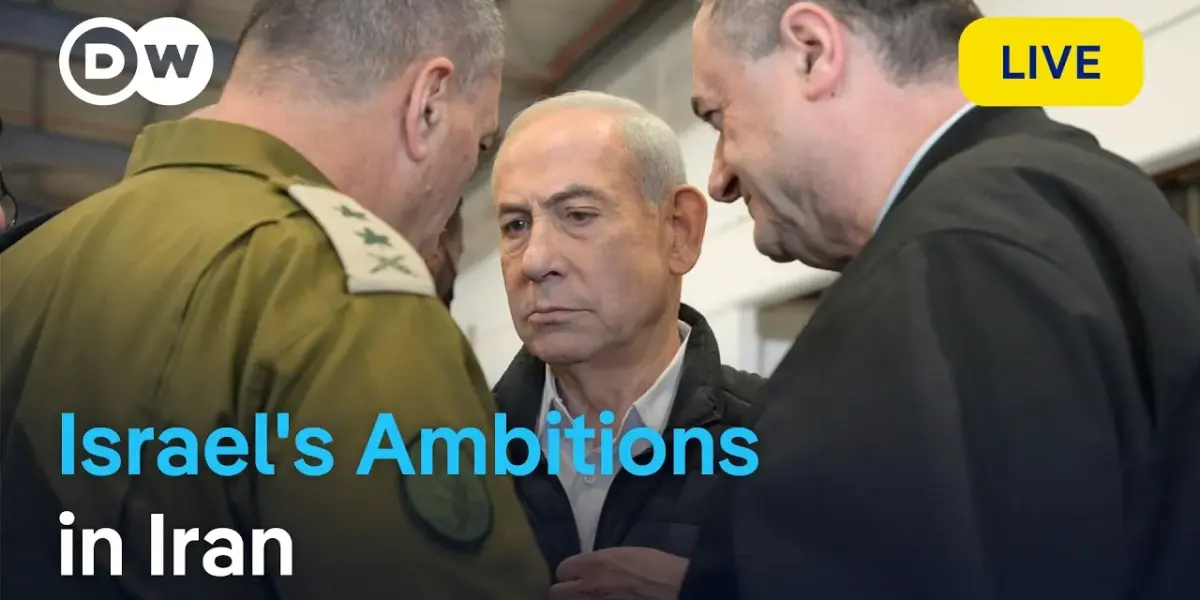
Israel’s Iran Strategy Focuses on Containment
Israel’s approach to dealing with Iran’s growing influence and nuclear program is multifaceted, aiming for containment rather than direct confrontation. This strategy involves a combination of military actions, diplomatic pressure, and intelligence operations. The goal is to prevent Iran from acquiring nuclear weapons and to curb its regional activities. This has been a long-standing policy, intensifying in recent years as Iran’s nuclear advancements and support for regional proxies have become more pronounced.
Key Pillars of Israel’s Iran Policy
Joost Hiltermann, Special Adviser to the Middle East Program at the International Crisis Group, explains that Israel’s primary objective is to prevent Iran from obtaining a nuclear weapon. This is seen as an existential threat to Israel. To achieve this, Israel employs a strategy of “containment.” This doesn’t mean isolating Iran completely, but rather limiting its ability to project power and develop weapons of mass destruction.
Christopher Morris, a Defense Analyst at Calian Europe, highlights that this containment strategy includes direct military actions against Iranian targets and its allies in the region. These actions are often covert, aiming to disrupt Iran’s military infrastructure and nuclear sites without escalating into a full-scale war. Israel also works to counter Iran’s influence in countries like Syria and Lebanon, where Iran supports groups like Hezbollah.
Why the Urgency Now?
The urgency in Israel’s approach stems from Iran’s recent progress in its nuclear program. Reports suggest Iran is closer than ever to having enough enriched uranium for a nuclear bomb. This has raised alarms in Israel and among its international allies. The concern is that once Iran crosses this threshold, it becomes much harder to stop them. Israel views any Iranian nuclear capability as a direct threat to its own security and stability in the Middle East.
Hiltermann notes that while Israel prefers diplomatic solutions, it has made it clear that it will not allow Iran to become a nuclear power. This has led to a delicate balancing act, where Israel uses military means as a deterrent and a means to slow down Iran’s progress. The actions taken are calculated to send a strong message without triggering a wider conflict.
Intelligence and Covert Operations
A significant part of Israel’s strategy relies on intelligence gathering and covert operations. This includes cyber warfare, sabotage of nuclear facilities, and the elimination of key figures involved in Iran’s nuclear program. These operations are designed to be deniable, allowing Israel to maintain a degree of plausible deniability while still achieving its objectives. The effectiveness of these measures is difficult to assess publicly, but they are considered a crucial component of Israel’s overall Iran policy.
Morris adds that these covert actions are often coordinated with international partners who share Israel’s concerns about Iran’s nuclear ambitions. The aim is to create a united front against Iran’s nuclear proliferation, even if public statements vary. This international cooperation is vital for applying pressure on Iran through sanctions and diplomatic isolation.
The Role of Regional Alliances
Israel is also strengthening its regional alliances to counter Iran. This includes building closer ties with Arab nations that also view Iran as a threat. These alliances can provide a united front against Iranian aggression and facilitate intelligence sharing and joint military planning. The Abraham Accords, normalizing relations between Israel and several Arab states, are seen by some as a step towards a broader regional security framework that could help contain Iran.
Hiltermann points out that these alliances create a network of deterrence. By working together, Israel and its Arab partners can present a stronger opposition to Iran’s regional expansion. This collective security approach aims to make any aggressive actions by Iran more costly and less likely to succeed. It also provides Israel with diplomatic support on the international stage.
Potential for Escalation
Despite Israel’s efforts to contain the situation, the risk of escalation remains a significant concern. Direct military confrontations, even if limited, could draw in other regional actors and potentially lead to a wider conflict. Iran has vowed to retaliate against any attacks, and its proxies in the region could also be activated. The ongoing tensions create a volatile environment where miscalculation could have severe consequences.
Morris emphasizes that Israel’s strategy is designed to avoid a full-blown war while still making it clear that it will defend its interests. The challenge lies in finding the right balance between deterrence and de-escalation. Each action taken by Israel is carefully weighed against the potential for Iranian reprisal and the broader impact on regional stability.
Looking Ahead
The situation remains dynamic, with Iran continuing to advance its nuclear capabilities and Israel determined to prevent it from obtaining a weapon. Future developments will likely involve continued covert actions, diplomatic maneuvering, and potentially further efforts to strengthen regional alliances. The international community watches closely, hoping for a diplomatic resolution while acknowledging Israel’s security concerns. The effectiveness of Israel’s containment strategy will be tested in the coming months and years as Iran’s nuclear progress continues.
Source: Israel's Iran Game Plan | DW News (YouTube)

Related Articles


Mexico Navigates US-China Rivalry
Mexico is caught in a geopolitical tug-of-war between the United States and China. The nation must carefully balance its economic needs and strategic interests with both superpowers. This situation highlights Mexico's growing importance in global affairs.
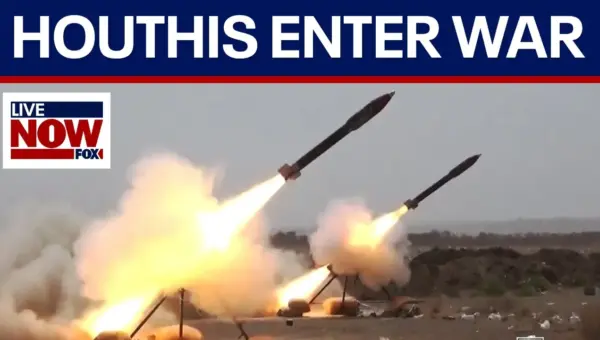
Iran-Backed Houthis Strike Israel, Escalating Regional Tensions
Iran-backed Houthi rebels have launched a missile attack targeting Israel, marking their first such strike since the current Middle East conflict began. The Israeli military confirmed the interception of the projectile. Analysts view this action as part of Iran's broader regional strategy, highlighting the regime's reliance on proxy forces amid internal weaknesses.

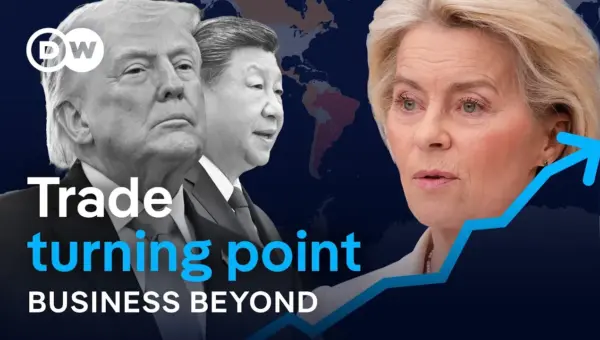
Europe Strikes New Trade Deals, Eyes Global Influence
The European Union is actively forging new trade alliances, notably with South American nations like Brazil, to reduce reliance on China and the US. Driven by the need for critical resources like rare earth metals and the desire to boost its own industries, Europe is making strategic concessions and seeking new markets, despite facing internal criticism and a changing global economic landscape.