San Francisco’s Collapse Fuels National Debate
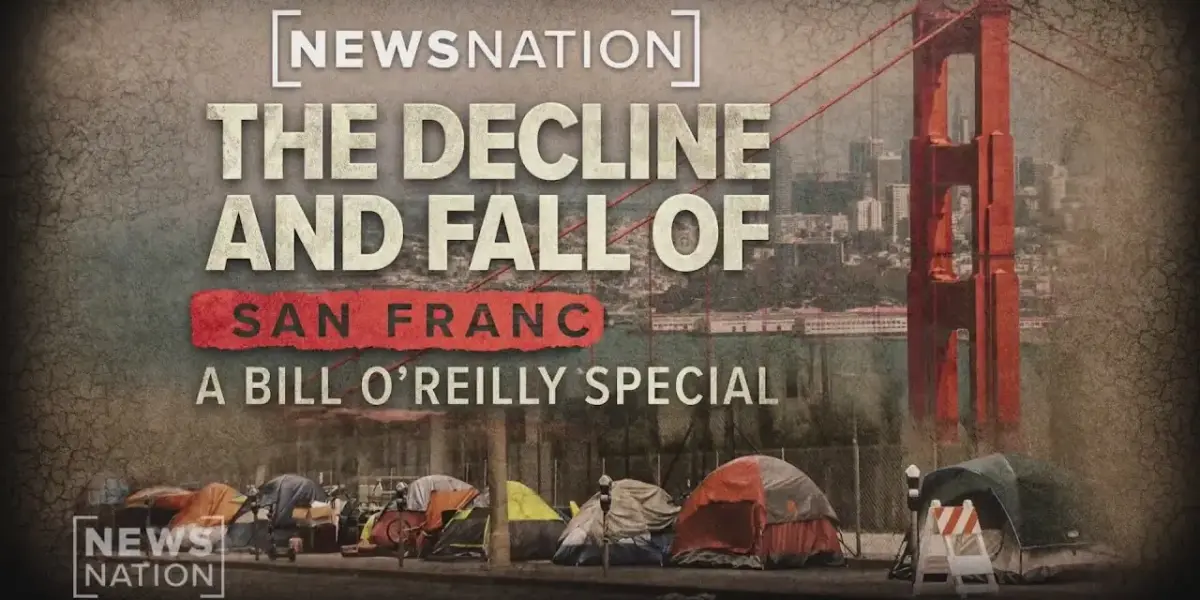
San Francisco is facing a severe social crisis marked by homelessness, drug use, and crime. Critics blame progressive policies like 'Housing First' and lax law enforcement for incentivizing these issues. The city's approach to mental illness and criminal justice is also under intense scrutiny.

San Francisco’s Descent Sparks National Alarm
San Francisco, once a beacon of innovation and culture, is now a city grappling with a severe social crisis. Rapid homelessness, widespread drug use, untreated mental illness, and rising crime have transformed parts of the city into what some describe as a “free fire zone.” This dramatic decline has sparked a national conversation about progressive policies and their real-world consequences.
The Roots of the Crisis
The issues plaguing San Francisco didn’t appear overnight. For years, the city has embraced progressive political ideologies. Historically, San Francisco was a place that welcomed diverse groups. However, with the rise of left-wing politics, particularly around the time of the Vietnam War, civility and social order began to erode. This shift is seen by some as a core reason for the current state of disarray.
Homelessness: A Policy-Driven Problem?
San Francisco faces an extreme homelessness crisis. As of 2024, the city has a homeless rate of 101 per 10,000 people. It is estimated that around 37,000 drug addicts are at risk of overdose daily. The city spends an astonishing amount of money on this issue, with figures suggesting over $106,000 per homeless person spent annually by the city alone. This figure does not include state or federal funding, which adds billions more.
A key policy criticized is “Housing First.” This approach provides homeless individuals with housing without requiring sobriety or participation in treatment programs. Critics argue this incentivizes drug use, as some individuals receive cash assistance, like $620 a month from General Assistance, which can be used to buy drugs. Hotels converted into free housing have reportedly become sites for drug use and dealing, leading to violence and overdose deaths. A Harvard University study indicated that providing housing unconditionally to homeless individuals with drug addiction or mental illness resulted in a high death rate, with only a small percentage remaining housed long-term.
The Drug Epidemic: Fentanyl and Lack of Enforcement
The availability of hard drugs, particularly fentanyl, is a major factor. Fentanyl can be purchased for as little as $5 on the street. Some former addicts describe an organized drug dealing network operating 24/7. The situation is worsened by a perceived lack of law enforcement. Proposition 47, passed in California, reduced many felonies to misdemeanors, making it difficult to prosecute those who steal less than $1,000. This has led to a “revolving door” in the justice system, where arrests are often followed by quick releases.
The city’s “harm reduction” policies, which include distributing clean needles and crack pipes, are also questioned. Critics argue that providing these items without strict requirements for sobriety or treatment doesn’t reduce harm but rather enables addiction. Some billboards funded by taxpayer money even suggested safe ways to use hard drugs, a message seen as counterproductive.
Mental Illness: A Neglected Crisis
More than half of San Francisco’s homeless population suffers from psychiatric conditions. When combined with drug addiction, this creates a dangerous situation. The ACLU’s opposition to involuntary psychiatric intervention is cited as a reason why seriously mentally ill individuals are not receiving the care they need. Proposition 63, the Mental Health Services Act, taxes the wealthy for mental health care but only provides services without mandatory methods. This means those most in need, often too ill to seek help themselves, are left untreated.
Criminal Justice Reform and its Consequences
The election of Chesa Boudin as District Attorney in 2019 marked a period of radical criminal justice reform. Boudin, influenced by a progressive, anti-police agenda, stopped enforcing many laws, including those related to drug dealing, prostitution, and illegal camping. This led to a perceived “free for all” on the streets. The decriminalization of shoplifting also resulted in organized theft rings targeting retail stores, causing many businesses to close.
The city’s status as a “sanctuary city” is also linked to the drug trade. Reports suggest that undocumented immigrants, primarily from Honduras and allegedly brought by cartels, control a significant portion of the drug market. These individuals are reportedly armed and operate under organizations like the Sinaloa cartel. The recall of Chesa Boudin in 2022 by voters was a strong signal of dissatisfaction with the lack of prosecution for crimes.
Political Figures and Accountability
Several prominent political figures are associated with San Francisco and its policies. This includes former Speaker of the House Nancy Pelosi, Governor Gavin Newsom, and Vice President Kamala Harris. Critics argue that despite their influence, they did not effectively intervene to address the city’s social breakdown. Governor Newsom’s 2020 State of the State address outlined plans for mental illness, addiction, and homelessness, but critics claim he primarily increased spending without implementing the proposed conditions for sobriety and treatment.
Even former Mayor Willie Brown, a Democrat, faced opposition from the progressive left for his efforts to maintain order. He was criticized for being too tough on crime, highlighting the deep ideological divide. The attack on Paul Pelosi, Nancy Pelosi’s husband, by a Canadian citizen with a history of mental illness and drug abuse, further underscored the real-world impact of these issues, even on those in positions of power.
The Path Forward: Accountability and Common Sense
The narrative presented is that San Francisco’s crisis stems from an ideology that prioritizes victimhood over accountability. Former addicts who have recovered emphasize that true recovery requires facing consequences. The core argument is that without accountability, destructive behavior is likely to continue. The city’s experience serves as a stark warning about the potential outcomes when progressive ideals are implemented without practical considerations for public safety and individual responsibility.
Source: The Decline and Fall of San Francisco: A Bill O'Reilly Special | On Balance (YouTube)

Related Articles

SF Mayor Rejects Radical Policies, Tackles Homeless Crisis
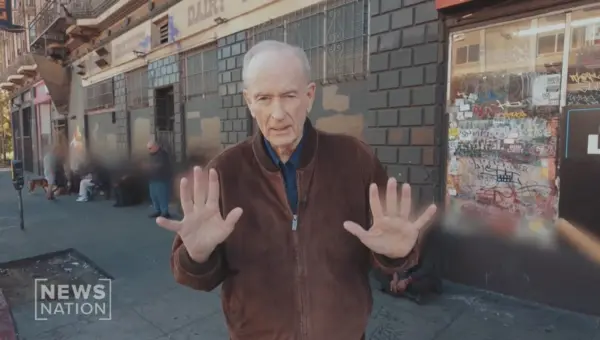
San Francisco's new Mayor Daniel Laurie is shifting the city away from progressive policies to tackle its homelessness and drug crisis. Activists pushed for change, citing billions wasted on failed approaches. The city now seeks federal, state, and local solutions, potentially including mandatory rehabilitation.


Progressive Policies Fuel San Francisco’s Urban Decay
San Francisco's transformation from a city of acceptance to one facing significant urban decay is analyzed. The piece links this decline to the rise of progressive politics and specific legal measures, such as Proposition 47, which have impacted public order and safety.
San Francisco Drug Crisis: Policy Fuels Open Dealing
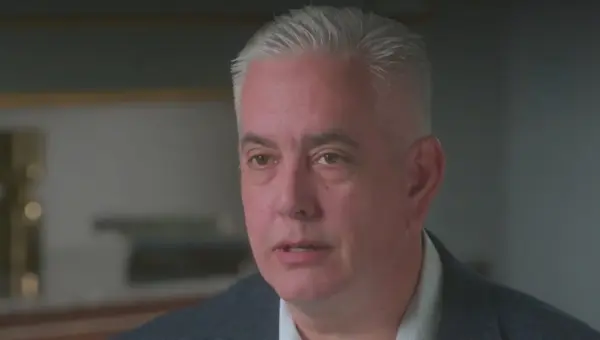
San Francisco's approach to drug addiction, known as harm reduction, is facing intense scrutiny. Critics argue that policies have enabled open drug dealing and use, leading to devastating consequences for addicts and the city. Former addicts highlight the lack of accountability in current programs.