US Strikes Cripple Iran’s Military Might, CENTCOM Reports
U.S. Central Command reports ongoing strikes inside Iran are significantly weakening its military power. This direct action aims to reshape regional security dynamics, but carries risks of escalation. The long-term impact depends on Iran's response and ability to adapt.

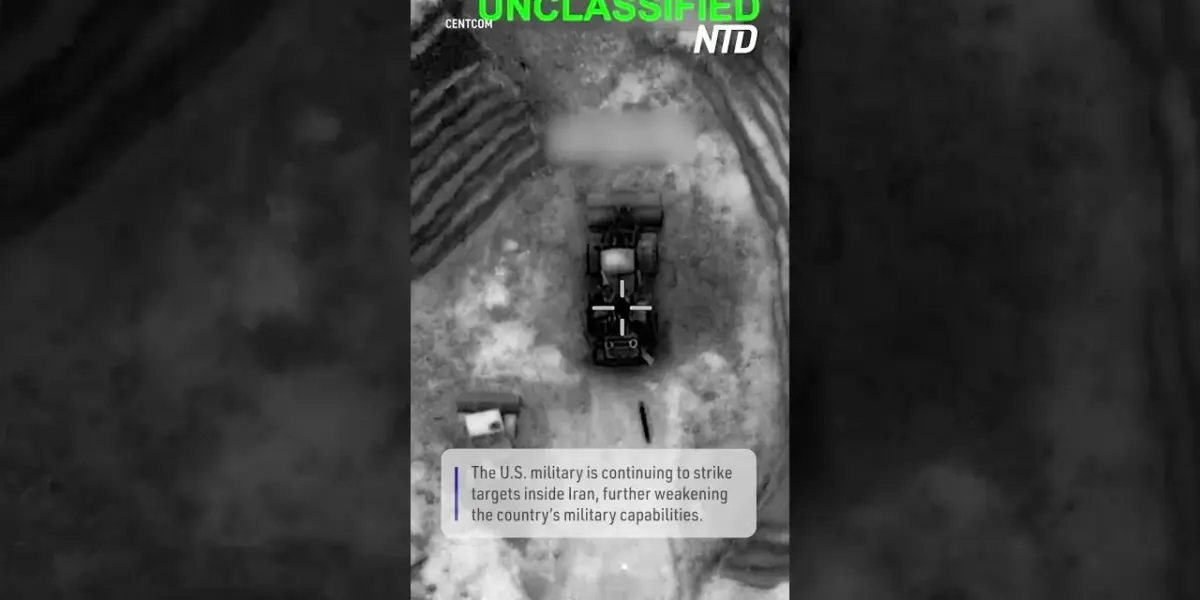
US Strikes Undermine Iran’s Military Power
The United States Central Command, known as CENTCOM, announced on March 27 that American military forces are actively striking targets within Iran. These actions, according to CENTCOM, are significantly weakening Iran’s ability to project its military power. This ongoing campaign suggests a deliberate strategy to degrade Iran’s military capabilities.
Targeting Iran’s Military Infrastructure
CENTCOM’s statement highlights a sustained effort to hit specific targets inside Iran. While the exact nature of these targets is not detailed in the provided information, the goal appears to be the erosion of Iran’s military strength. This could involve disrupting supply lines, damaging weapon systems, or hindering operational capabilities.
Broader Regional Implications
The strikes come at a time of heightened tension in the Middle East. Iran plays a significant role in regional conflicts, often through its support of various proxy groups. By weakening Iran’s military, the U.S. may be seeking to alter the regional balance of power. This could have ripple effects on ongoing conflicts and diplomatic efforts in the area.
Historical Context of US-Iran Tensions
Relations between the United States and Iran have been strained for decades. Following the 1979 Iranian Revolution, diplomatic ties were severed, and a deep mistrust has persisted. This has often manifested in indirect confrontations, including cyberattacks, economic sanctions, and support for opposing sides in regional conflicts. The current strikes represent a more direct, albeit limited, military engagement focused on degrading Iran’s military capacity.
Potential Goals of the Strikes
The primary objective of these strikes, as stated by CENTCOM, is to reduce Iran’s capacity to project military power. This could be aimed at deterring future aggression, limiting Iran’s influence in neighboring countries, or responding to specific provocations. By weakening Iran’s military, the U.S. might be trying to create a more stable security environment in the region.
Balancing Act: Deterrence and Escalation
Military actions like these always involve a delicate balance. The U.S. aims to deter Iran without triggering a wider, more destructive conflict. The effectiveness of these strikes will likely be measured not only by the damage inflicted on Iran’s military but also by Iran’s response. A measured response from Iran would indicate the strategy is working as intended, while a significant escalation could lead to unforeseen consequences.
Future Outlook and Monitoring
The situation remains dynamic. CENTCOM’s continued reporting of strikes suggests this is an ongoing operation. The long-term impact on Iran’s military capabilities and its regional behavior will be closely watched. Analysts will be looking for signs of Iran’s ability to adapt or rebuild its forces, as well as any shifts in its foreign policy or support for proxy groups. The effectiveness of these strikes in achieving broader U.S. foreign policy goals in the Middle East will also be a key area of focus.
Why This Matters
These strikes are significant because they represent a direct military action by the U.S. aimed at degrading a regional power’s military strength. The outcome could reshape the security dynamics in the Middle East. If successful, the strikes might reduce Iran’s ability to interfere in other countries’ affairs, potentially leading to less regional instability. However, there is always a risk that such actions could provoke retaliation, leading to an escalation of conflict. Understanding these developments is crucial for anyone following international relations and security in a vital global region.
Trends and Implications
The trend here is a more assertive U.S. military posture focused on direct military degradation of adversaries rather than solely relying on sanctions or diplomatic pressure. This approach, if continued, could signal a shift in U.S. strategy in the Middle East. It implies a willingness to use kinetic force to achieve strategic objectives, even if it carries the risk of escalation. The implications are far-reaching, potentially influencing how other nations perceive and engage with U.S. military power.
Iran’s Response and Adaptation
How Iran responds to these strikes is critical. Will it seek to retaliate directly, or will it continue its strategy of leveraging proxy forces? Iran has a history of adapting to external pressures, often finding ways to circumvent sanctions and maintain its influence. Its ability to rebuild or redeploy its military assets will be a key indicator of the long-term success of the U.S. campaign. This also highlights the complex nature of modern warfare, where asymmetric tactics and resilience play a significant role.
Source: US Central Command Says Strikes Eroding Iran’s Ability to Project Military Power (YouTube)

Related Articles

U.S. Iran Tensions Rise Amid Shifting Alliances
Rising tensions between the U.S. and Iran are creating a volatile geopolitical situation. With conflicting signals on de-escalation and potential shifts in alliances like NATO and U.S.-Israel relations, the path forward remains uncertain. The global economy and regional stability hang in the balance.


Iran Targets US With Cyberattacks, Escalating Digital Warfare
Iran is increasingly using cyberattacks to challenge the U.S., as seen in a recent hack of the FBI director's account. Experts say this is a strategic shift due to Iran's limitations in conventional warfare. The U.S. needs to strengthen its digital defenses, focusing on encryption and cloud computing, rather than solely relying on traditional security measures.


Iran Hacks FBI Chief, Exposing U.S. Cyber Vulnerabilities
A recent hack of FBI Director Kash Patel's personal email by an Iran-linked group highlights Iran's growing cyber threat to the U.S. Experts explain how simple security oversights are exploited, emphasizing the need for basic defenses like two-factor authentication to protect against propaganda and potential infrastructure attacks.