Supreme Court Cases Threaten Rights, But Congress Holds a Fix
The Supreme Court's recent hearings on mail-in ballots and asylum suggest rulings that could restrict voting access and limit refugee claims. However, these decisions are based on statutes, giving Congress the power to enact fixes if Democrats regain power, potentially safeguarding these rights.

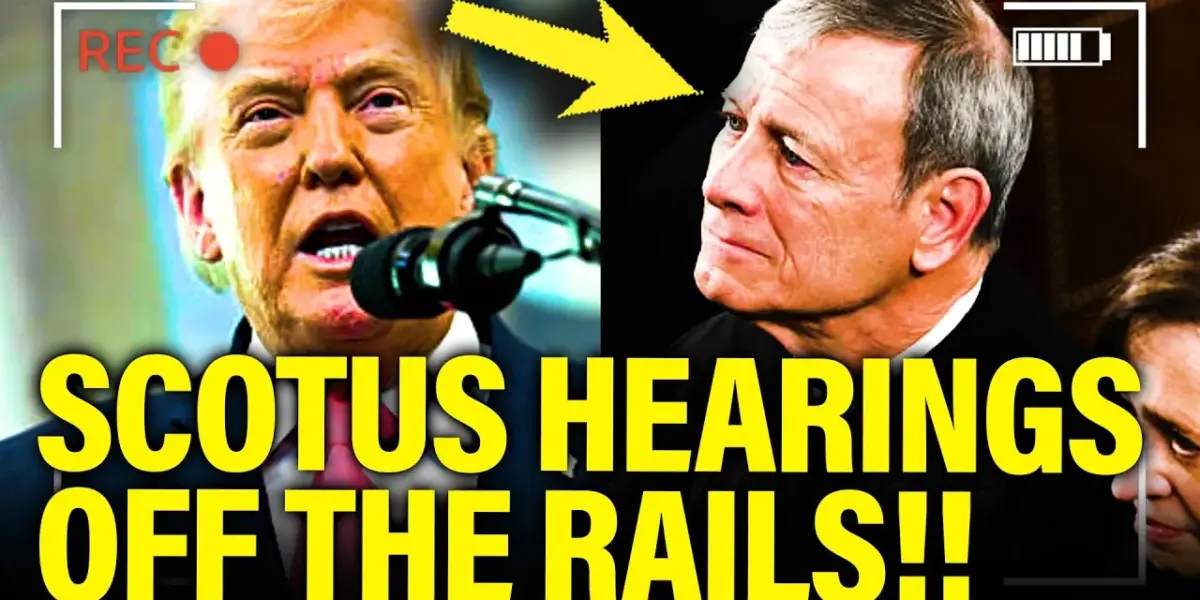
Supreme Court Cases Threaten Rights, But Congress Holds a Fix
This week, the United States Supreme Court heard two major cases that could significantly impact voting rights and immigration. The arguments suggest that a conservative majority on the court, often referred to as the “MAGA six,” is likely to rule in ways that could make it harder to vote by mail and limit asylum claims. However, there’s a silver lining: these rulings are expected to be based on laws passed by Congress, not the Constitution itself. This means that if Democrats regain power, they could potentially change these laws and restore what the court takes away.
Mail-in Ballots Face New Hurdles
The first case dealt with mail-in ballots and grace periods. Many states allow a few extra days for mail-in ballots to arrive after Election Day, as long as they were postmarked by the deadline. This practice acknowledges that the postal service isn’t always fast. The Republican National Committee argued that ballots arriving after Election Day should not be counted, citing an 1845 law.
During the arguments, Justices Amy Coney Barrett and John Roberts questioned this strict interpretation. They pointed out that early voting also happens before Election Day and asked if that should also be disallowed. The RNC said no, which seemed to confuse the justices. Despite this debate, it appears likely that the court will rule that states cannot extend the deadline for receiving mail-in ballots, even if they were marked on time.
This decision, expected by June, could make it harder for people to cast their votes if they rely on mail. The good news is that this ruling would be based on a federal law. If Democrats gain control of Congress in the upcoming midterm elections, they could pass a new law to allow these extended deadlines, protecting mail-in voting.
Asylum Claims Face Stricter Interpretation
The very next day, the court heard a case about asylum. The U.S. has a program that allows people fleeing persecution in their home countries to seek safety here. Traditionally, people could apply for asylum whether they were already in the United States or if they presented themselves at a U.S. port of entry, even if that entry point was on the Mexican side of the border.
The Trump administration argued that if individuals are not physically on U.S. soil – for example, if they are being held by U.S. border officials in Mexico – they cannot even apply for asylum. The American Civil Liberties Union argued that presenting oneself at the border, even if blocked from entering, constitutes an “arrival” and should allow someone to apply. The justices seemed skeptical of this argument, particularly the conservative majority.
The court appeared to lean towards the idea that physical presence within the United States is required to apply for asylum. This interpretation could significantly limit who can seek refuge in the U.S. Similar to the voting case, this decision would likely be based on statutory interpretation rather than the Constitution. This means Congress would have the power to change the law to allow more people to apply for asylum.
Birthright Citizenship on the Horizon
Looking ahead, the Supreme Court is also expected to hear a case concerning birthright citizenship. The 14th Amendment states that anyone born or naturalized in the U.S. is a citizen. However, some argue this amendment was intended only for formerly enslaved people and should not apply to children born in the U.S. to parents who are in the country illegally.
Donald Trump’s administration previously tried to end birthright citizenship through an executive order. If the court decides that physical presence on U.S. soil is required for asylum claims, it could create a contradiction when considering birthright citizenship. A baby born on U.S. soil is undeniably physically present, making it difficult to argue they are not a citizen under the 14th Amendment.
Why This Matters
These Supreme Court cases are not just legal debates; they have real-world consequences for millions of people. The potential rulings on mail-in ballots could disenfranchise voters, especially those who need to vote by mail due to distance, disability, or other circumstances. Limiting asylum claims could leave vulnerable people in dangerous situations without recourse.
The fact that these decisions are likely based on statutory interpretation, rather than constitutional interpretation, is crucial. It places the power to correct these potential injustices back into the hands of Congress. This highlights the importance of elections and the need for voters to be aware of how their elected officials can influence the laws that shape these critical issues.
Implications and Future Outlook
The immediate implication is a potential shift in how elections are conducted and how the U.S. handles immigration. If the court rules strictly on the mail-in ballot case, future elections could see fewer mail-in votes counted, potentially leading to longer lines at polling places and greater challenges for voters.
The asylum ruling could lead to a significant decrease in the number of people able to seek protection in the United States, impacting humanitarian efforts and international relations. The upcoming birthright citizenship case could also have profound implications for the definition of citizenship and national identity.
The future outlook depends heavily on the composition of Congress. If the Democratic party gains sufficient power in the midterms, they have a clear path to legislating solutions to the problems potentially created by these court rulings. This underscores the ongoing tension between judicial interpretation and legislative action in shaping American law and society.
Historical Context
The debate over mail-in voting has a long history, with various states experimenting with absentee ballots for decades, particularly for military personnel serving abroad. The expansion of mail-in voting in recent years, especially during the COVID-19 pandemic, has made it a prominent issue in political discourse.
Immigration law in the U.S. has also evolved significantly over time. The concept of asylum is rooted in international agreements and U.S. law, designed to protect those fleeing persecution. However, the interpretation and application of these laws have often been subject to political shifts and legal challenges, particularly concerning border security and national interests.
Birthright citizenship, enshrined in the 14th Amendment after the Civil War, has been a cornerstone of American identity. While generally accepted, challenges to its interpretation, particularly concerning the children of undocumented immigrants, have resurfaced periodically, reflecting broader debates about immigration and belonging in the United States.
Source: 🚨SCOTUS Hearings INSTANTLY SPIRAL Out of Control!!!! (YouTube)

Related Articles

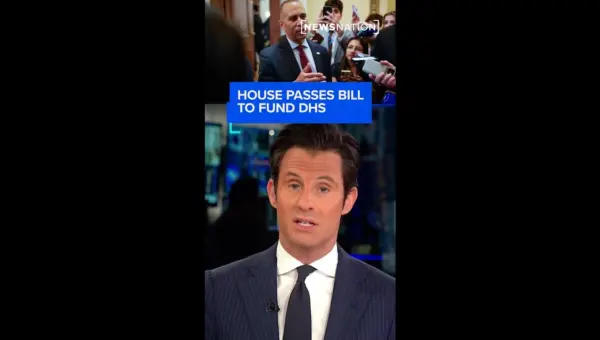
Congress Stalemate Threatens Border Security Funding
The U.S. House passed a temporary funding bill for the Department of Homeland Security, but Senate Democrats are expected to block it. This recurring stalemate highlights deep divisions over border policy and funding, potentially impacting national security and international perceptions of U.S. stability.
House Funds DHS, But Senate Deal Unlikely Amid Shutdown
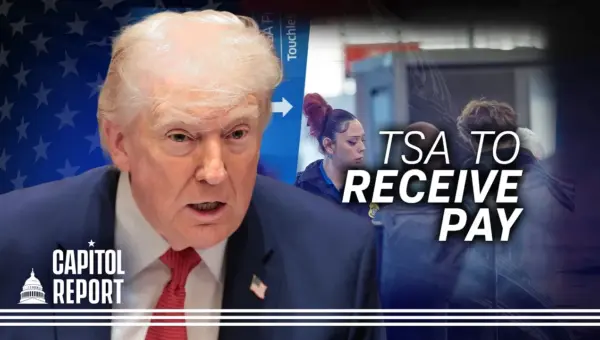
The House of Representatives has passed a bill to fund the Department of Homeland Security, but the measure is unlikely to pass the Senate. TSA workers, who have faced missed paychecks and disruptions, may receive some pay soon due to a presidential order, but the broader shutdown continues.
Congress Fights Over DHS Funds, Workers Face Pay Woes
House Republicans have rejected the Senate's DHS funding bill, proposing their own plan to fund the entire department. This has left many DHS workers, including TSA staff, without pay for weeks. President Trump has signed an order to provide back pay to TSA workers.