Protesters Challenge Presidential Power, Ignite Debate
Millions are protesting nationwide under the "No Kings" banner, challenging presidential authority and policies they deem unconstitutional. Organizers emphasize First Amendment rights while debating foreign policy, immigration, and the balance of power.

Protesters Challenge Presidential Power, Ignite Debate
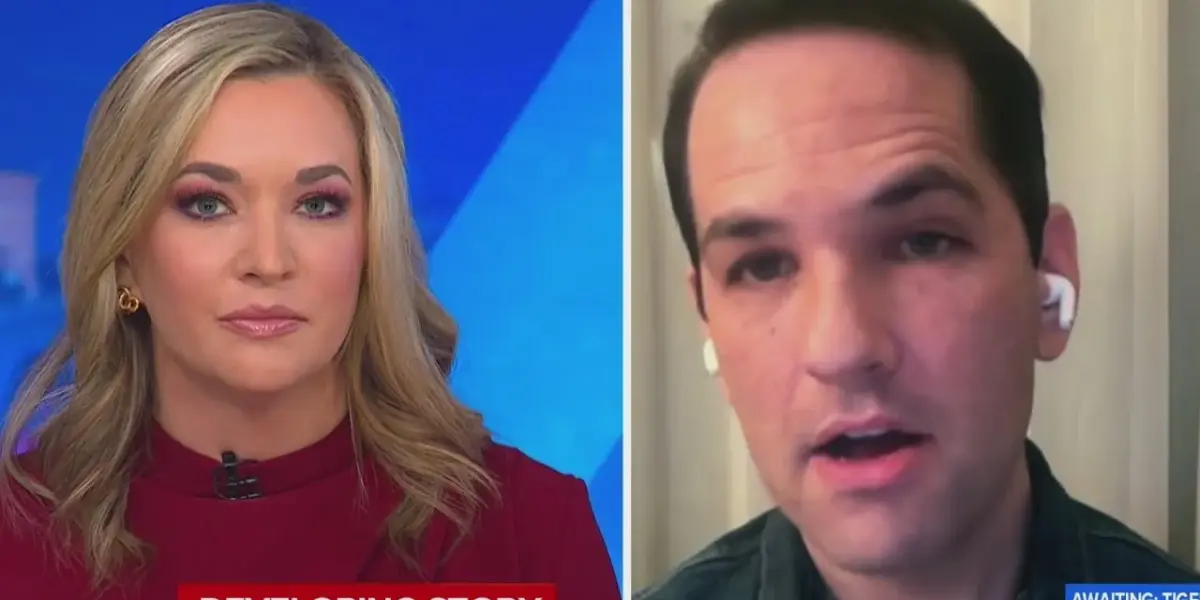
Millions of Americans are expected to participate in over 3,000 events nationwide this weekend as part of the “No Kings” protest movement. Organizers argue that President Trump is acting like a tyrant and overstepping his constitutional authority. The protests aim to rally Americans across political divides, bringing together people from blue, red, and purple states, as well as urban and rural areas. The movement emphasizes the importance of exercising First Amendment rights, a core tenet of American democracy.
Core Grievances Fueling the Movement
While the name “No Kings” might seem dramatic, organizers clarify it’s not about literal monarchy. Instead, it targets policies and actions they believe undermine constitutional rights. One key issue cited is the Biden administration’s COVID-19 vaccine mandate, which some argue led to people losing their jobs if they refused vaccination, until the Supreme Court intervened. This policy is seen by some as an example of executive overreach.
Another major concern is the administration’s handling of foreign policy, particularly the ongoing conflict with Iran. Organizers criticize the President’s decision to engage in what they describe as an “unpopular, illegal, unconstitutional war.” They argue that such actions, especially those not supported by a broad consensus within Congress or the public, drive up costs for Americans and distract from domestic issues. The financial burden of these foreign conflicts is a significant point of contention.
Differing Views on Foreign Policy and National Security
Counterarguments highlight Iran’s long history of hostility towards the United States, dating back 47 years. Supporters of the President’s actions point to Iran’s alleged funding of terrorist organizations like Hezbollah and Hamas, which they claim have been responsible for the deaths of thousands of Americans, including those killed in the 9/11 attacks and recent events. They also mention missile attacks targeting U.S. bases and soldiers in the Middle East as justification for a strong stance. The aim, they suggest, is to prevent Iran from obtaining nuclear weapons and holding the region hostage.
The debate also touches upon immigration policy and the role of Immigration and Customs Enforcement (ICE). Critics of ICE are concerned about alleged abuses and instances where individuals, including undocumented immigrants, have been involved in violent crimes against American citizens. They question whether a complete dismantling or weakening of ICE would leave communities less safe. Conversely, proponents of immigration reform argue that ICE’s actions can be heavy-handed and that the focus should be on humane policies and due process, while still ensuring public safety.
Constitutional Authority and Congressional Power
A central point of legal and political debate revolves around the constitutional power to declare war. Organizers of the “No Kings” protests emphasize that this power rests with Congress, not the President. They argue that the President is acting unconstitutionally by initiating military action without a formal declaration of war. This echoes historical debates about executive versus legislative authority in matters of war and foreign intervention. The protests are seen as a call for a return to constitutional checks and balances.
Inclusivity and Political Spectrum
The “No Kings” movement seeks to be broadly inclusive, welcoming individuals from all political backgrounds who oppose authoritarianism. Organizers stress that it is not a partisan rally for any specific candidate or party, but a movement for all Americans who feel their rights are threatened. They aim to unite people who may disagree on future policy agendas but can agree on the fundamental rejection of unchecked power. This broad appeal is intended to maximize turnout and impact.
However, questions have been raised about the inclusion of various groups, including self-identified socialists and communists, some of whom have advocated for violence. Organizers maintain that the movement is strictly nonviolent and that allowing people to exercise their First Amendment rights does not equate to endorsing their specific ideologies or training. They point to the peaceful nature of past large-scale “No Kings” events as evidence of their commitment to nonviolence.
Historical Context and Future Scenarios
The “No Kings” movement taps into a long American tradition of protest against perceived government overreach, dating back to the nation’s founding principles of rejecting monarchical rule. The current protests echo concerns raised during various historical periods when presidential power expanded, particularly during times of war or national crisis. The organizers are leveraging the country’s 250th anniversary to underscore the importance of these founding ideals.
The future of the movement depends on its ability to maintain its broad coalition and effectively articulate its grievances. Potential scenarios include increased public pressure leading to policy changes, a fracturing of the movement due to ideological differences, or a waning of momentum if immediate threats are perceived to subside. The ongoing tension between executive authority and individual rights, coupled with complex foreign policy challenges, suggests that such debates will continue to shape the American political landscape.
Global Impact
The “No Kings” protests, while focused domestically, reflect a global trend of citizens questioning authority and demanding greater accountability from their leaders. The emphasis on constitutional rights and the separation of powers resonates in international discussions about democracy and governance. The movement’s success or failure could influence how similar groups organize and advocate for change in other countries, highlighting the interconnectedness of democratic ideals and citizen action worldwide.
Source: Katie Pavlich, 'No Kings' organizer debate merits of the protests | Katie Pavlich Tonight (YouTube)

Related Articles

Americans Rally for Democracy Amidst War and Economic Woes
Thousands of Americans are participating in "No Kings" rallies nationwide, demanding accountability from leaders and drawing parallels to historical movements that spurred significant change. The protests occur amidst a controversial war with Iran, economic uncertainty, and a partial government shutdown. Organizers emphasize solidarity, joy, and the power of collective action in defending democracy.


Jane Fonda Warns of ‘Existential Crisis’ Amid Protests
Jane Fonda has issued a stern warning about widespread attacks on the First Amendment, urging Americans to defend their freedoms. The veteran activist highlighted the growing number of large-scale protests as a sign of public concern and a crucial opportunity to address both democratic erosion and the climate crisis.
Trump’s “Walk Away” Tactic Signals Tougher Stance on China
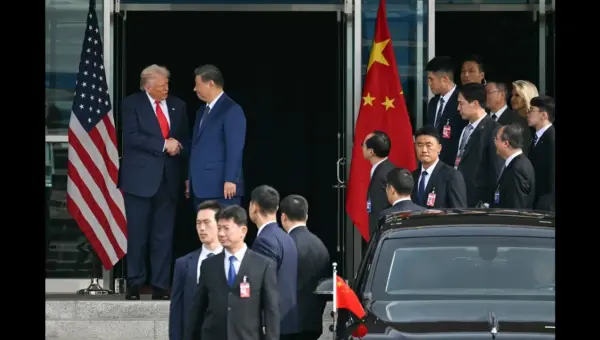
Retired Air Force Brigadier General David Stillwell believes President Trump's strategy of being willing to walk away from negotiations puts pressure on China. This tactic, combined with US global actions and strengthened alliances, signals a more assertive American foreign policy.