Trump Halts Iran Strikes Amid Stalled Diplomacy
President Trump announced a pause on planned strikes against Iran, citing productive talks, though Iran denies negotiations occurred. Reports also suggest a potential U.S. ground operation on Iran's Hark Island. The situation raises concerns about international support for Ukraine and potential shifts in U.S. foreign policy.

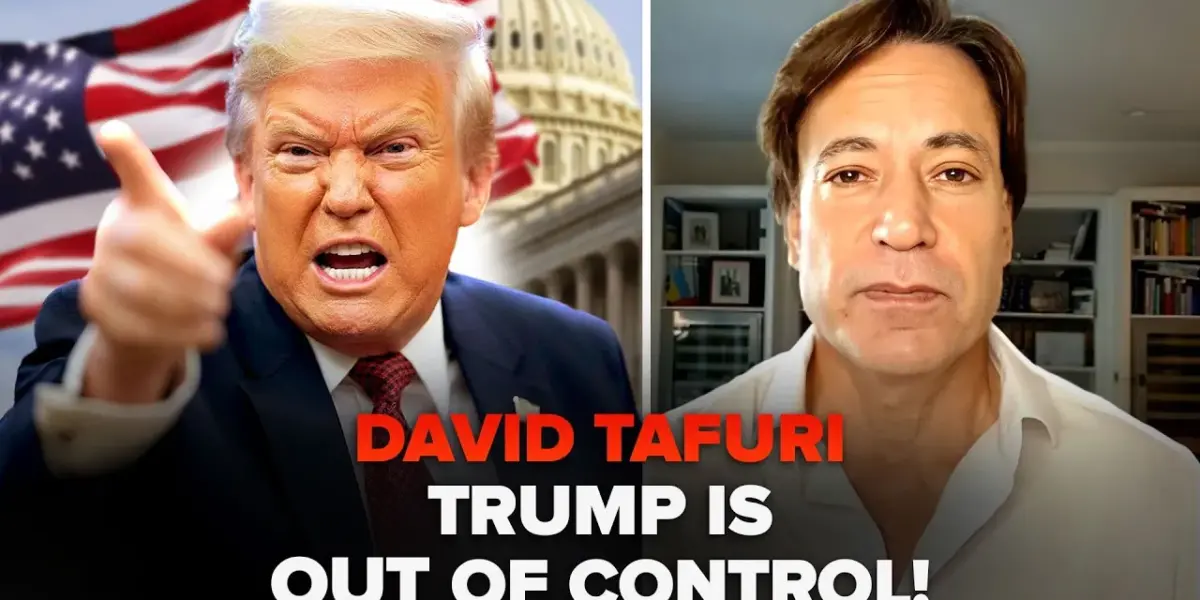
Trump Halts Iran Strikes Amid Stalled Diplomacy
President Trump announced a five-day pause on planned strikes against Iran’s energy infrastructure, citing unexpectedly productive negotiations. The White House stated that discussions with Iran were deep, detailed, and constructive, aimed at resolving hostilities in the Middle East. These talks were expected to continue for about a week.
This sudden shift surprised many observers. President Trump had previously threatened to attack Iran’s power grid if Iran did not cease its actions in the Strait of Hormuz and stop attacking ships. Iran has not yet reopened the Strait. The announcement of a pause, rather than immediate strikes, followed claims of productive talks.
Conflicting Narratives Emerge
However, conflicting reports quickly surfaced. Iranian media, reportedly linked to the Islamic Revolutionary Guard Corps, denied that any negotiations took place. These outlets asserted that President Trump backed down due to fear of Iranian retaliation. This contradiction raises questions about the true nature of the engagement.
David Turi, an international lawyer and former State Department official, expressed doubt that fear of retaliation motivated President Trump. Turi noted that Iran’s responses to previous U.S. and Israeli actions have been limited. Instead, he suggested that President Trump might be acting out of frustration over the continued closure of the Strait of Hormuz. This closure significantly impacts global oil and gas prices, potentially leading to inflation in the United States.
Potential Ground Operation on Hark Island
Reports also suggest the U.S. may be planning a ground operation to seize Iran’s Hark Island. This island in the Persian Gulf is critical for Iran’s oil exports, with approximately 90% of its crude oil destined for China. The U.S. military has reportedly conducted air strikes on military targets on Hark Island, but not on its oil facilities, possibly indicating preparations for a takeover.
Capturing Hark Island could give the U.S. leverage over Iran by controlling its oil export capacity. This move might also serve as an incentive for Iran to keep the Strait of Hormuz open, potentially in exchange for a share of oil revenues. Such a scenario would require significant negotiations between the U.S. and Iran.
Military and International Concerns
President Trump’s actions have drawn mixed reactions. Some U.S. military personnel reportedly expressed frustration, feeling like “political pawns.” A core grievance cited is the lack of a clear, publicly justified rationale for potential military action against Iran.
Unlike previous U.S. military interventions, such as the 2003 invasion of Iraq or the intervention in Libya, the administration did not spend significant time building international consensus or justifying the actions through global forums like the United Nations. This approach has led to limited international support, with primarily the U.S. and Israel currently aligned. European allies have shown reluctance to assist, particularly with naval operations to ensure safe passage through the Strait of Hormuz.
This lack of allied support can affect troop morale. Furthermore, European nations are concerned that the U.S. might reduce its support for Ukraine if it faces increased demands for resources and attention in the Middle East. This potential shift could force President Trump to reconsider his commitment to aiding Ukraine.
European Leverage and Ukraine Support
The situation presents a potential opportunity for European nations. They might offer resources and support for U.S. objectives in Iran, particularly regarding the Strait of Hormuz. In return, they could press the U.S. to resume crucial military aid to Ukraine, such as Patriot missile defense systems. These systems are vital for Ukraine’s air defense against Russian missile attacks.
Strengthening the U.S.-European alliance through such a deal could also help address broader security concerns. The threats posed by Russia and Iran, which are closely allied, are seen as interconnected. A coordinated approach through NATO could be crucial in confronting these challenges.
Sanctions on Russian Oil and Ukraine Peace Talks
In parallel, U.S. Treasury Secretary Janet Yellen stated that any easing of sanctions on Russian oil would provide Moscow with only a minor revenue increase, estimated at around $2 billion. Current U.S. waivers allow for the sale of Russian oil already at sea, but these are temporary. Concerns exist that these waivers might be extended, especially if oil prices rise, potentially aiding Russia’s war effort in Ukraine.
Peace talks between U.S. and Ukrainian delegations are ongoing, focusing on establishing a sustainable security system for Ukraine and humanitarian measures. However, progress remains slow. Ukraine and Russia maintain significantly different positions, and Russian President Vladimir Putin has not altered his demands since the full-scale invasion began. Without increased pressure on Russia through sanctions and robust military support for Ukraine, a lasting ceasefire appears unlikely.
Potential Lukashenko Meeting
The U.S. is reportedly considering an invitation for Belarusian leader Alexander Lukashenko to meet with President Trump. Such a meeting, discussed for months, could occur at the White House or Mar-a-Lago. However, the strategic purpose of this meeting is unclear, given Lukashenko’s authoritarian rule and close ties to Russia. Experts question whether the U.S. could successfully draw Belarus away from Russian influence, especially considering Belarus’s economic and political dependence on Moscow.
Source: You won’t believe what was said to Trump right to his face! Urgent turning in war. Kremlin pressured (YouTube)

Related Articles

Iran’s Missile Threat Reduced by 90%, Analyst Says
An analyst reports that Operation Epic Fury has degraded Iran's missile launchers by 90%, despite challenges in targeting hidden sites. The conflict's duration and media coverage are also discussed, with implications for global energy markets and investor confidence.

Trump’s ‘Board of Peace’ Crumbles Amidst Global Conflict
Donald Trump's 'Board of Peace,' launched with grand ambitions from Davos, faced immediate scrutiny over its $1 billion permanent membership fee. Despite attempts to secure ceasefires, the initiative appeared to falter as global conflicts, including strikes on Iran, escalated, leaving its intended purpose overshadowed.
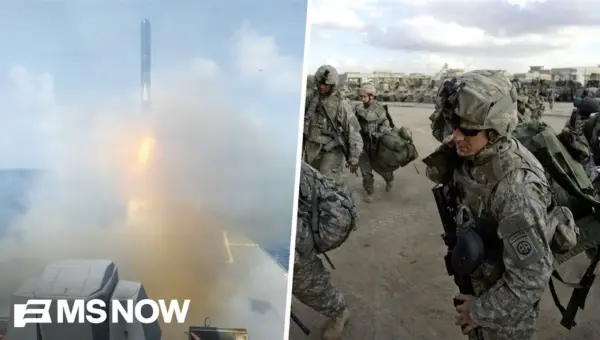
Iran Missile Strikes Injure US Troops, Raise War Concerns
Iranian missile strikes have injured U.S. service members, escalating tensions as the conflict nears one month. The attacks are raising concerns about the effectiveness of U.S. military strategy and the depletion of crucial missile stockpiles. Global oil prices have surged, impacting economies worldwide.