Congress Stalemate Threatens Border Security Funding
The U.S. House passed a temporary funding bill for the Department of Homeland Security, but Senate Democrats are expected to block it. This recurring stalemate highlights deep divisions over border policy and funding, potentially impacting national security and international perceptions of U.S. stability.

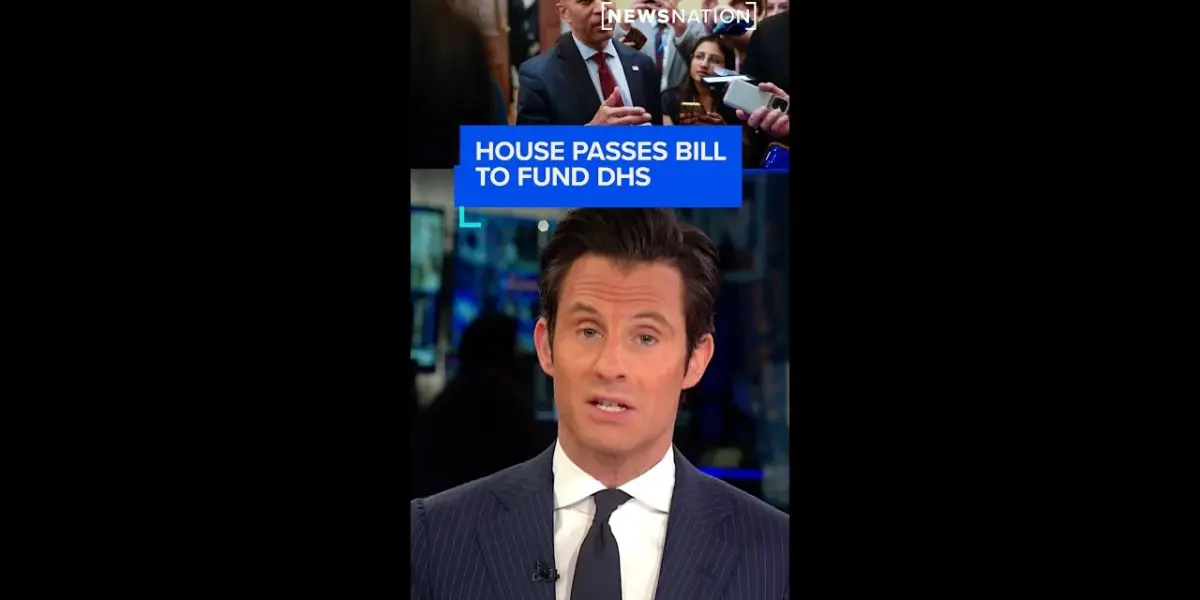
House Pushes Short-Term Funding, Senate Blockade Looms
The U.S. House of Representatives has approved a temporary funding bill for the Department of Homeland Security (DHS). This measure aims to keep government operations running for a few more weeks. It specifically addresses funding for DHS, including agencies like Immigration and Customs Enforcement (ICE) and Customs and Border Protection (CBP). However, this short-term fix faces a significant hurdle: the Senate.
Senate Democrats have signaled they will not support the House bill. Many senators are currently on recess, making swift approval unlikely. This means the bill, despite passing the House, may not become law. The situation leaves the funding for critical border security and immigration agencies in limbo. It’s a familiar pattern of political disagreement.
Bipartisan Divisions Hinder Progress
The vote in the House highlighted deep divisions. While most Republicans supported the bill, three Democrats also voted in favor. This small group of Democrats may have been seeking a bipartisan path forward. They might hope to keep essential departments funded while broader negotiations continue. Their votes suggest a desire to avoid a complete government shutdown impacting national security.
The core issues at stake are funding levels and policy reforms for ICE and CBP. These agencies are at the forefront of managing the U.S. border. Lawmakers disagree sharply on how much money these agencies should receive. They also differ on the types of reforms needed to address border challenges. These negotiations are complex and have stalled previous efforts.
Historical Context of Funding Battles
Government funding disputes are not new in Washington. Congress often struggles to pass long-term budget agreements. These disagreements can lead to temporary measures, known as continuing resolutions. Such resolutions simply extend current funding levels for a limited time. They offer a temporary solution but do not resolve the underlying policy conflicts.
Past budget impasses have sometimes resulted in government shutdowns. These shutdowns can disrupt services and impact the economy. The current situation echoes these historical patterns. It shows how political polarization can paralyze even essential government functions. Finding common ground on border policy has been particularly difficult for years.
Economic and Security Implications
The ongoing stalemate has real-world consequences. DHS agencies need stable funding to operate effectively. This includes managing border infrastructure, processing asylum claims, and enforcing immigration laws. Uncertainty in funding can hinder recruitment, procurement, and the implementation of new strategies. It affects the daily operations of thousands of personnel.
The economic impact is also a concern. Disruptions at the border can affect trade flows. While this specific bill is short-term, prolonged funding gaps could eventually lead to more significant economic disruptions. International partners also watch these developments closely, as U.S. border policy impacts global migration patterns and security cooperation.
Why This Reshapes the World Order
This ongoing political deadlock in Washington is more than just a domestic issue. It highlights the challenges the United States faces in projecting consistent policy. When Congress cannot agree on fundamental security needs, it can signal instability to allies and adversaries alike. This can weaken the U.S. position on the global stage.
Consistent and predictable U.S. foreign policy is crucial for international stability. Disagreements over border security, while domestic, can have ripple effects. They influence how other nations view U.S. leadership and its ability to manage complex challenges. Allies may question U.S. reliability, while rivals might see opportunities to exploit perceived weaknesses.
Future Scenarios
Several outcomes are possible from this situation. One scenario is that the Senate eventually passes a similar short-term bill, delaying the inevitable. Another is that negotiations break down completely, leading to a partial government shutdown affecting DHS. A more optimistic, though less likely, scenario involves a bipartisan agreement on a longer-term funding package.
The most probable outcome, given past trends, is a series of short-term extensions. This approach avoids a full shutdown but fails to address the underlying policy disagreements. It maintains a state of uncertainty for border agencies and continues the political friction. The path forward will depend on the willingness of both parties to compromise.
Source: House approves DHS bill as shutdown continues | Jesse Weber Live (YouTube)

Related Articles
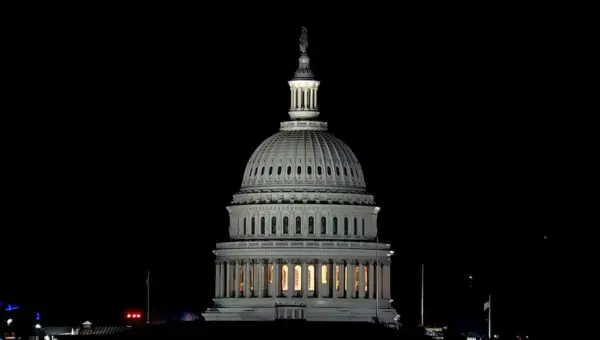
House Funds DHS, But Senate Deal Unlikely Amid Shutdown
The House of Representatives has passed a bill to fund the Department of Homeland Security, but the measure is unlikely to pass the Senate. TSA workers, who have faced missed paychecks and disruptions, may receive some pay soon due to a presidential order, but the broader shutdown continues.


DHS Funding Crisis Sparks Chaos, Congressman Blames Poor Communication
Congressman Darrell Issa blames "failure to communicate" for the DHS funding crisis leading to unpaid TSA agents and airport chaos. The House is preparing a short-term bill as security concerns rise.

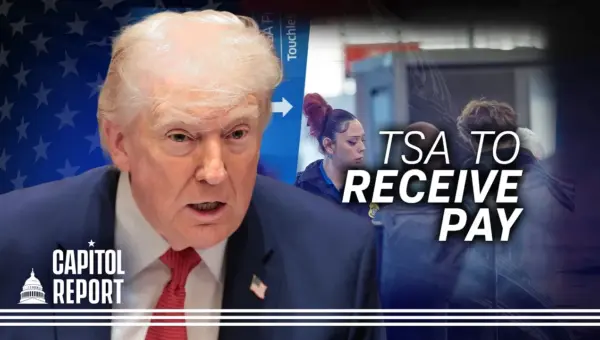
Congress Fights Over DHS Funds, Workers Face Pay Woes
House Republicans have rejected the Senate's DHS funding bill, proposing their own plan to fund the entire department. This has left many DHS workers, including TSA staff, without pay for weeks. President Trump has signed an order to provide back pay to TSA workers.