Congress Fights Over DHS Funds, Workers Face Pay Woes
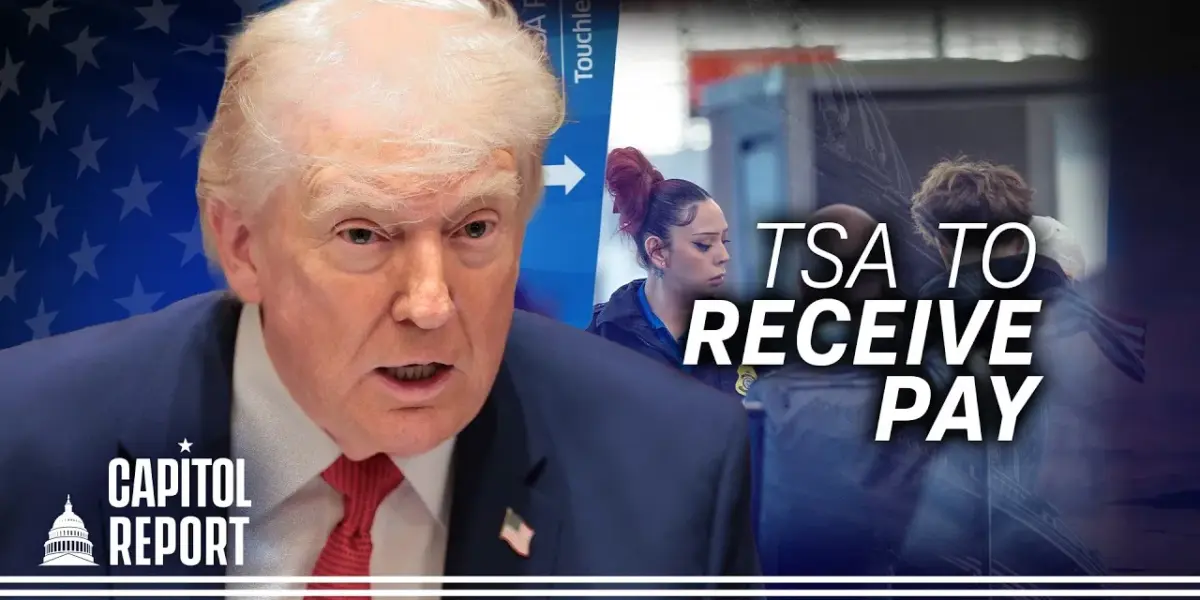
House Republicans have rejected the Senate's DHS funding bill, proposing their own plan to fund the entire department. This has left many DHS workers, including TSA staff, without pay for weeks. President Trump has signed an order to provide back pay to TSA workers.

Congress Stalemate Leaves DHS Workers Unpaid Amid Funding Fight
Lawmakers in Washington are locked in a heated battle over how to fund the Department of Homeland Security (DHS). This fight has left many of its workers without paychecks for weeks. The House of Representatives, led by Republicans, has rejected a plan from the Senate. This Senate plan would have funded parts of the DHS but left out key agencies like Immigration and Customs Enforcement (ICE). Instead, the House wants to pass its own bill. This new bill would fund the entire department for a set period.
House Offers New Plan Amid Shutdown
The House is expected to vote on its own funding proposal soon. This comes as the DHS is about to enter its seventh week of a shutdown. The Transportation Security Administration (TSA) has been hit hard. Many airports across the country have seen long lines and delays. Speaker Mike Johnson explained the House’s plan. He stated they would introduce a “clean, simple” bill to keep the DHS funded until May 22nd. This means all ten agencies under DHS would continue to operate with their current money.
Senate’s Plan Rejected, House Seeks Full Funding
Earlier on Friday, the Senate had reached an agreement. Their bill aimed to fund the DHS but specifically excluded ICE and parts of Customs and Border Protection. Senate Majority Leader John Thun highlighted that this bill contained “zero reforms on immigration enforcement policy.” However, some House Republicans quickly criticized the Senate’s approach. They found it disappointing. Speaker Johnson hopes the Senate will quickly approve the House’s eight-week funding proposal. He suggested they could act as early as Monday, similar to how they agreed unanimously before.
Trump Steps In to Aid Unpaid TSA Workers
The ongoing shutdown means many TSA workers have been on the job without receiving their pay. In response, President Trump signed an executive order. This order allows the DHS to use existing funds to pay these essential workers. Paychecks could start going out as early as Monday. President Trump also spoke out against the Senate’s funding bill. He described it as “inappropriate.” This action by the President offers some immediate relief to the affected workers.
Recess Complicates Funding Efforts
While the House plans to vote on its bill, the Senate has already begun its scheduled recess. Speaker Johnson expressed hope that the bill could pass the House and reach the Senate quickly. He mentioned Monday as a possible timeline for Senate action. This situation might require senators to return to Washington during their break to address the DHS funding issue. The back-and-forth between the House and Senate creates uncertainty for the department and its employees.
Why This Matters
This funding dispute highlights a deep division in Congress over how to manage national security and immigration. The inability to agree on a budget for a critical department like Homeland Security creates instability. It directly impacts the daily lives of thousands of federal employees. These workers are forced to serve without guaranteed pay, affecting their morale and potentially leading to staffing shortages. Furthermore, disruptions at airports and border crossings can have broader economic and security consequences. The political stalemate also raises questions about the government’s ability to function effectively, especially when facing national security challenges.
Historical Context and Trends
Government shutdowns over budget disagreements are not new in American politics. Throughout history, funding battles have often centered on policy riders or differing visions for government spending. The Department of Homeland Security, created after the 9/11 attacks, has often been a focal point for these debates. Its broad mandate, covering everything from border security to disaster response and cybersecurity, makes it a significant target for political negotiation. Recent years have seen increasing polarization, making bipartisan compromise more difficult. This makes long-term funding solutions harder to achieve, leading to more frequent short-term fixes like continuing resolutions.
Implications and Future Outlook
The immediate implication is continued uncertainty for DHS employees and operations. If a long-term funding bill is not passed, these short-term resolutions could continue, creating a cycle of instability. This could affect the morale of dedicated public servants and the effectiveness of national security efforts. Looking ahead, the ability of Congress to find common ground on essential government functions remains a key challenge. The trend towards partisan gridlock suggests that similar funding crises may occur in the future. Finding a way to separate essential government operations from political disputes will be crucial for national stability and security.
Source: Trump Orders DHS to Pay TSA Workers; House Rejects Senate DHS Funding Plan (YouTube)

Related Articles
TSA Workers Paid as Congress Remains Divided on Funding
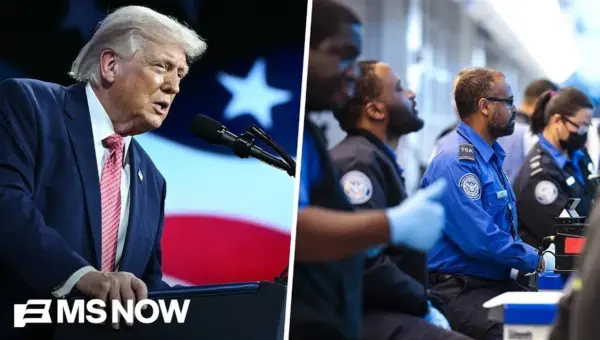
TSA workers are set to receive paychecks thanks to a presidential memo, bypassing a divided Congress. Meanwhile, a bipartisan Senate deal to fund the Department of Homeland Security was rejected by House Republicans, who are now pushing their own stopgap bill. The ongoing stalemate highlights deep political divisions and raises concerns about the government's ability to function effectively, impacting essential services and public confidence.
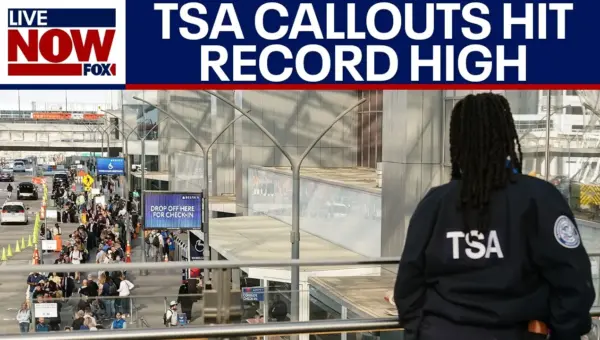
TSA Workers Get Paid After Record Absences
TSA agents will finally receive paychecks after working nearly six weeks without salary, following a directive from President Trump. Record high absences had strained airport operations and caused significant passenger delays. The situation has sparked calls for better protections for essential workers during government shutdowns.
House Republicans Reject Senate Deal, Sparking Government Funding Clash
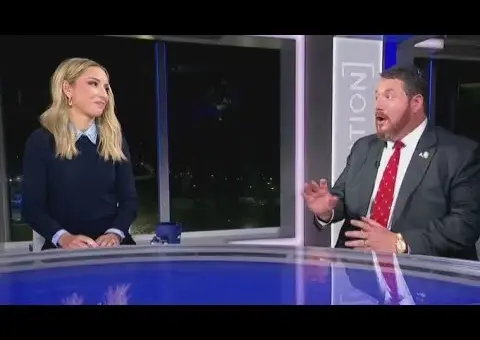
House Republicans have rejected a Senate bill to end the government shutdown, citing insufficient border security measures. Congressman Randy Fine called the Senate deal a "disgrace" and highlighted the ongoing fight for full government funding. President Trump's executive order to pay TSA agents offers temporary relief, but the core disagreement over border security continues to paralyze Washington.