Iran Missile Strikes Injure US Troops, Raise War Concerns
Iranian missile strikes have injured U.S. service members, escalating tensions as the conflict nears one month. The attacks are raising concerns about the effectiveness of U.S. military strategy and the depletion of crucial missile stockpiles. Global oil prices have surged, impacting economies worldwide.

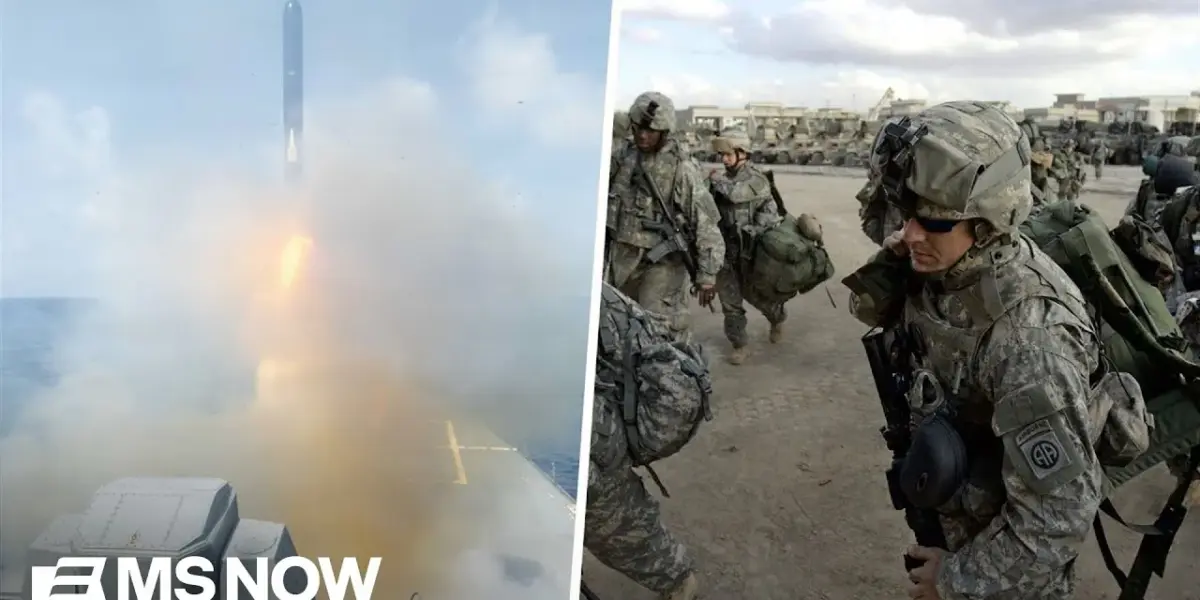
US Service Members Wounded in Iranian Missile Strike
A missile attack by Iran has injured approximately a dozen U.S. service members at a Saudi Arabian air base, a U.S. official has confirmed. This incident comes as the conflict, referred to by the President as a “military operation,” nears its one-month mark. U.S. Central Command reports that over 300 troops have been wounded in action, with about 90 percent of them returning to duty.
The strike highlights ongoing tensions in the region, where thousands of American soldiers have been deployed. The Pentagon is reportedly considering sending additional troops, though Secretary of State Antony Blinken has stated that U.S. objectives might be achievable without a ground invasion. This troop buildup, however, does present options for further military action.
President Addresses Conflict and Global Economy
President addressed the ongoing conflict at a conference hosted by the Saudi Sovereign Wealth Fund. He emphasized the need for negotiations and the reopening of critical shipping lanes, specifically mentioning the Strait of Hormuz. “We’re negotiating now and it would be great if we could do something but they have to open it up,” the President stated.
The President also expressed disappointment with NATO’s lack of support. He discussed the impact on global markets, noting that oil prices did not rise as high as expected and that stock market declines were not as severe as anticipated. “It’s not finished yet,” he remarked, indicating the operation is ongoing.
Economic Repercussions: Oil Prices and Gas Costs Surge
The conflict’s impact on the global economy is becoming increasingly evident. Major stock market indexes, including the S&P 500, have closed in the red for a fifth consecutive week. Crude oil prices have reached their highest point since Russia’s invasion of Ukraine in 2022, with U.S. and international crude trading above $100 a barrel.
The national average price for gasoline has also seen a significant increase, rising by $1 per gallon in the past month alone. This surge in energy costs affects everything from transportation to the price of goods derived from oil, like fertilizer.
Questions Over Military Strategy and Arsenal Depletion
Experts are questioning the effectiveness of the U.S. strategy in degrading Iran’s missile capabilities. Despite nearly four weeks of operations, reports suggest only about one-third of Iran’s missile and drone arsenal has been destroyed. “I think it shows that the U.S. underestimated how long it was going to take,” commented national security analyst Kevin Barron.
Furthermore, concerns are rising within the Pentagon about the extensive use of Tomahawk missiles. The U.S. has reportedly fired over 800 Tomahawk missiles, while its annual production capacity is around 600. This depletion raises questions about the long-term availability of these critical weapons and the U.S.’s ability to supply allies, such as Ukraine, while also maintaining its own readiness against potential adversaries like China.
Iran’s Strategic Leverage and Future Outlook
Iran has effectively utilized its capacity to disrupt global oil trade, leading to higher prices for oil, diesel, and other essential goods. The nation is reportedly eyeing the Red Sea as a second potential choke point for international commerce.
The current situation presents a complex challenge for the administration, which is seeking international help to manage the fallout. The conflict is described as a difficult situation that will not be easily resolved. The troop buildup is seen by some as a strategic move, potentially extending negotiations while preparing for further action in this asymmetric conflict.
Looking Ahead
As the conflict continues, attention will focus on Iran’s next moves, the U.S. response, and the ongoing economic consequences. The sustainability of U.S. military operations, particularly regarding missile stockpiles, and the potential for further escalation remain key areas to watch.
Source: Iranian missile strikes wound roughly a dozen U.S. service members (YouTube)

Related Articles

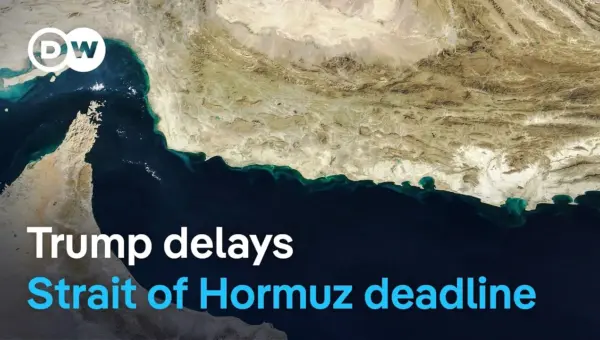
Trump Delays Iran Strike Deadline Amidst Shifting Diplomacy
President Donald Trump has extended his deadline for potential strikes on Iranian energy plants to April 6th, amid reports of U.S.-Iran diplomatic talks mediated by Pakistan. This move comes as Israel continues its strikes on Iran and the U.S. deploys additional military assets to the region. Analysts point to mixed signals, economic pressures, and strategic miscalculations as key factors shaping the evolving situation.


Trump Ignored Iran War Warnings, Aides Feared Retaliation
President Trump allegedly ignored repeated warnings from his own intelligence agencies regarding the dangers of escalating conflict with Iran. Reports suggest his administration was unprepared for predictable responses like the closure of the Strait of Hormuz and significant depletion of munitions. Many within the White House reportedly suppressed their concerns for fear of repercussions.

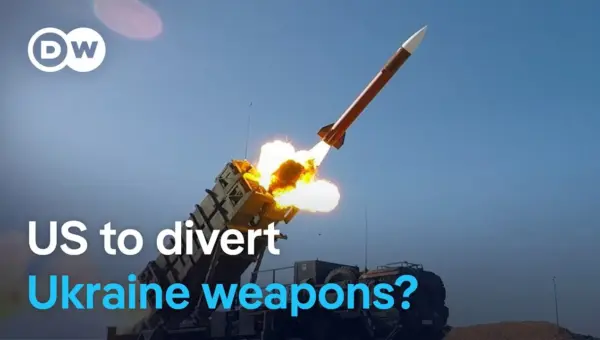
US Weighs Shifting Ukraine Weapons to Iran Amid Missile Shortage
The U.S. is reportedly considering diverting weapons destined for Ukraine to support operations against Iran, driven by rapidly depleted missile stocks. This potential shift raises concerns about Ukraine's defense capabilities and highlights the complex interplay between global conflicts.