Pentagon Chief Blocks Black, Female Officers’ Promotions
Pentagon chief Pete Hegseth is reportedly blocking the promotions of four Army officers, two Black and two women, to one-star general. This decision follows reports of alleged discriminatory remarks made by a top aide to Secretary Hegseth regarding President Trump's comfort standing with Black female officers.

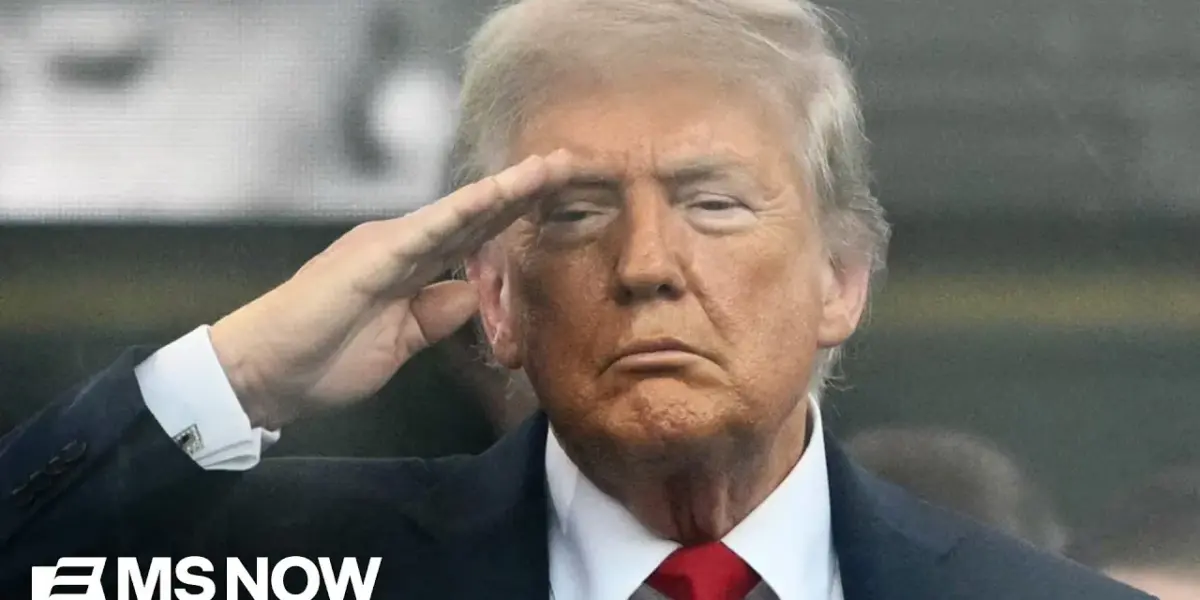
Pentagon Chief Blocks Black, Female Officers’ Promotions Amid Controversy
In a move that has sparked significant backlash, Secretary of Defense Pete Hegseth is reportedly blocking the promotions of four Army officers to the rank of one-star general. The New York Times revealed this month that Hegseth has unilaterally removed these individuals from a promotion list, a decision that has raised serious questions about the legal authority of such an action and its underlying motivations.
Targeted Officers Have Exemplary Records
According to The Times’ reporting, two of the four officers whose promotions are being halted are Black, and two are women. These officers have reportedly served with distinction for decades, boasting records of “exemplary service.” Hegseth’s decision removed them from a list that included roughly three dozen officers, the majority of whom are white men. This action comes amid broader concerns about diversity and inclusion within the military leadership ranks.
Allegations of Discriminatory Remarks Surface
The Times’ report, based on interviews with 11 current and former military officials, also detailed a contentious exchange last summer. The incident involved Hegseth’s chief of staff, Ricky Buria, and the Secretary of the Army, Dan Driscoll. Buria reportedly reprimanded Driscoll for selecting Major General Antoinette Gantt, a combat engineer with extensive experience in Iraq and Afghanistan, to lead the Military District of Washington.
Buria told Driscoll that President Trump would not want to stand next to a Black female officer at military events. According to the Times, the Chief of Staff to the Secretary of Defense told the Secretary of the Army that the President of the United States would not want to stand next to a Black woman officer at military events.
While Secretary Driscoll reportedly argued that the President was not racist or sexist, General Gantt ultimately received her promotion. However, the same cannot be said for the four officers currently facing promotion blocks.
Broader Context of Military Service and Diversity
The actions by Secretary Hegseth have drawn sharp criticism from military analysts and commentators. Many point to the historical significance of the U.S. military as one of the first institutions to desegregate in the United States. It has often been seen as a model of pluralism and integration, where merit and service are paramount.
“Accusations are confessions,” noted one commentator, suggesting that Hegseth’s stated goal of “depoliticizing the military” is in direct opposition to the perceived actions. There is concern that these decisions could undermine the morale of service members, particularly minorities, and send a message that opportunities for advancement are limited.
Constitutional and Ethical Concerns Raised
Critics argue that blocking promotions based on race or gender is not only ethically questionable but also a potential violation of the 14th Amendment of the U.S. Constitution and existing statutes. The idea of halting promotions to general based on such factors is seen as deeply problematic and contrary to the principles of a representative democracy.
The timing of these revelations, just before a national holiday honoring Dr. Martin Luther King Jr., has also been noted. Some view the actions as an attempt to energize a political base, while others fear it could significantly damage the morale of Black service members, who constitute a notable percentage of the military’s ranks.
Impact on Military Readiness and Morale
The report highlights the potential negative consequences for military readiness and cohesion. As U.S. service members are deployed to various global hotspots, the idea that their leadership might be influenced by discriminatory factors is deeply concerning. This is seen as a direct insult to those who serve, potentially diminishing their commitment and willingness to face danger.
The situation raises questions about the administration’s commitment to diversity and inclusion within the armed forces. It also prompts reflection on the legacy of figures like General Colin Powell, who supported affirmative action and understood the foundational principles of a diverse and integrated military. The current actions by Secretary Hegseth appear to diverge sharply from these principles.
Looking Ahead
The coming weeks will likely see increased scrutiny of Secretary Hegseth’s decision-making process and the legal basis for his actions. Investigations into the alleged discriminatory remarks and their influence on promotion decisions are expected. The long-term impact on military morale, diversity, and the perception of fairness within the armed forces remains a critical area to watch.
Source: Trump wouldn’t ‘want to stand next to a Black female officer,’ Army chief was told (YouTube)

Related Articles

Pentagon Weighs 10,000 Troops for Iran Showdown
The Pentagon is reportedly weighing a significant troop increase of 10,000 soldiers to the Middle East, potentially escalating tensions with Iran. This move comes amid reports of U.S. precision strikes and interceptions of Iranian missiles by allies, raising concerns about regional stability and global oil supplies.

Heated Cabinet Meeting Exposes Media-Trump Dance
A recent televised cabinet meeting saw Pete Hegseth clash with the media over reporting on Iran, calling the operations a "pure American success." Critics argue these meetings are performative and question the narrative of success, citing potential troop involvement and ongoing Iranian defiance.

General Blasts “Comic Book Tough Guy” Over Officer Promotions
A four-star general has criticized Pentagon leadership, calling it a "comic book tough guy" over the alleged blocking of promotions for two Black and two female officers. This controversial move raises concerns about discrimination and its impact on military morale during a critical geopolitical period.