G7 Allies Clash Over Iran War Strategy, Urge Focus on Russia
G7 foreign ministers met in Paris, revealing deep divisions over the U.S. war with Iran. European allies urged the U.S. to pressure Russia, linking its actions to the conflict and fearing support for Ukraine will wane.

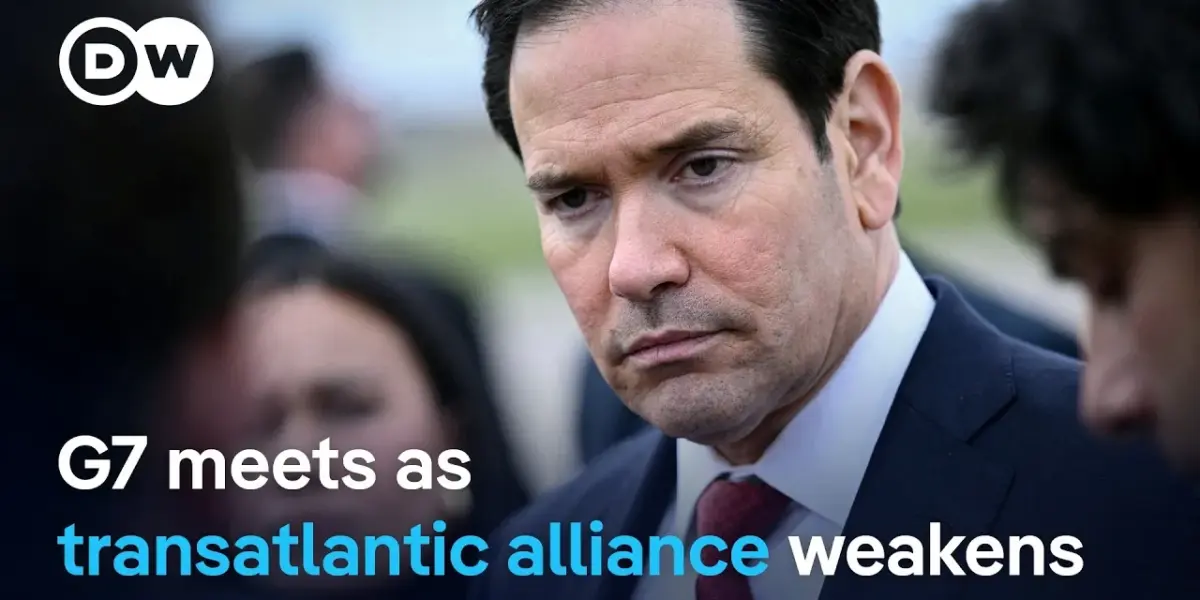
G7 Ministers Divided on Iran War Amid Global Tensions
Foreign ministers from the Group of Seven (G7) nations met in Paris for a second day of talks, struggling to find common ground on the escalating conflict with Iran. The United States, represented by Secretary of State Marco Rubio, faced significant pressure from its allies to de-escalate the situation in the Middle East. The ongoing war has already sent shockwaves through the global economy, with fears of crude oil shortages driving up prices for consumers worldwide.
EU Links Iran Conflict to Russian Aggression
Before the G7 discussions, the European Union’s foreign policy chief, Kaja Kallas, highlighted a critical link between the Middle East conflict and Russia’s actions. Kallas stated that if the United States seeks to end the war with Iran, it must also address the threat posed by Russia. She accused Russia of actively aiding Iran by providing intelligence to target and kill Americans. Additionally, Kallas noted Russia’s support for Iran through drone supplies, enabling attacks on neighboring countries and U.S. military bases.
“We see that Russia is helping Iran with intelligence to target Americans to kill Americans. And Russia is also supporting Iran now with the drones so that they can attack neighboring countries and also US military bases. So these wars are very much interlinked. So if America wants the war in the Middle East to stop, Iran to stop attacking them, they should also put the pressure on Russia.”
Kaja Kallas, EU Foreign Policy Chief
Allies Skeptical of U.S. Strategy in Iran
DW correspondent Rosie Burchard reported from the G7 talks, noting that America’s allies sought greater clarity on the U.S. strategy regarding the conflict with Iran. Secretary Rubio arrived at the meeting, held at an abbey in the French countryside, aiming to persuade skeptical European partners. France’s Foreign Minister, when questioned about increased clarity, deferred to the U.S. side, refusing to elaborate on the specifics of American war aims or strategy.
Germany Denies Disagreement, Seeks End to Ukraine War
In contrast, Germany’s Foreign Minister suggested a lack of disagreement between European allies and the United States regarding the Iran war. He expressed confidence in this alignment but clarified that Germany had received no requests for military action from the U.S. This stance contrasts sharply with previous public statements by President Trump, who had criticized NATO nations for perceived inaction. Rubio, meanwhile, emphasized President Trump’s commitment to a swift resolution in Ukraine, a message that some observers felt might not align with European concerns about Ukraine being pressured into unfavorable agreements.
European Fears: Ukraine Support at Risk
European nations voiced strong concerns that the intense global focus on the Middle East conflict could divert attention and support away from Ukraine. Their primary message to the U.S. was that weakening Iran would necessitate applying pressure on Russia. Kallas directly accused Russia of complicity in harming Americans. While Russia denies sharing intelligence, it has previously acknowledged sending weapons to Iran. The European side stressed what they perceive as a crucial connection between the conflicts in Ukraine and the Middle East.
Attempt to Project Unity Amidst Lingering Divisions
Despite efforts to project a united front, evident in a joint statement issued after the meeting, significant differences between the U.S. and its European allies persist. The German Foreign Minister’s comments suggesting harmony were seen by some as an attempt to maintain appearances. However, Burchard observed that the fundamental divergence in opinions regarding the Iran war remains. Many European countries are hesitant to be drawn into the conflict and remain skeptical of U.S. objectives. The prevailing European sentiment, as articulated by Kallas, favors de-escalation and finding an exit from the conflict, rather than further escalation.
Looking Ahead: A Divided Front?
As the G7 nations move forward, the underlying tensions regarding the Iran war and the interconnectedness with the Ukraine conflict are likely to continue. The ability of these key democracies to present a unified foreign policy front on major global crises will be closely watched, especially given the differing priorities and strategies being pursued by the U.S. and its European partners.
Source: Rubio tries to sell Iran war to other G7 countries | DW News (YouTube)

Related Articles

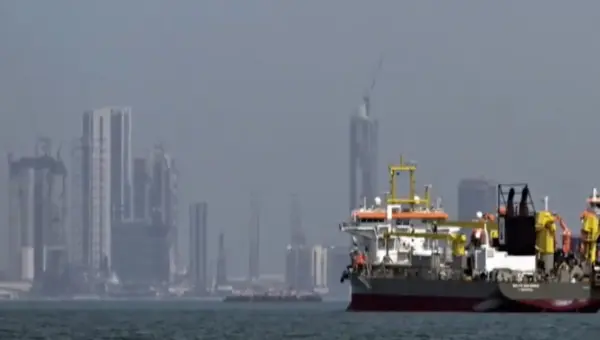
Iran Blocks China Ships, Exposing Beijing’s Weak Grip
Iran's recent decision to block Chinese ships at the Strait of Hormuz is exposing the limits of Beijing's influence in the Middle East. This action is causing delays and cancellations for Chinese manufacturers, turning a perceived geopolitical win into an economic strain.
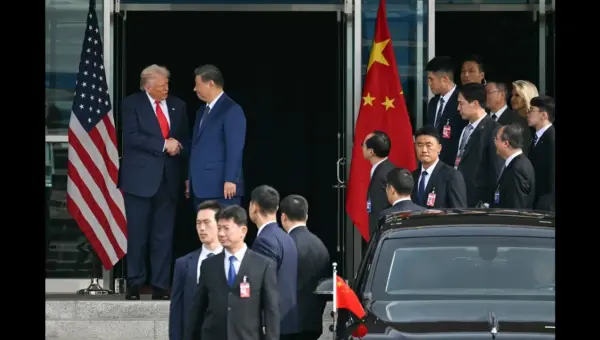
Trump’s “Walk Away” Tactic Signals Tougher Stance on China
Retired Air Force Brigadier General David Stillwell believes President Trump's strategy of being willing to walk away from negotiations puts pressure on China. This tactic, combined with US global actions and strengthened alliances, signals a more assertive American foreign policy.

China Fights Back: Tariffs Loom Ahead of Trump Visit
China is retaliating against US trade investigations that could lead to higher tariffs. This escalating trade tension occurs just before a planned visit by President Trump. The dispute involves accusations of unfair practices and impacts global supply chains.