Americans Rise Up: History Shows Protests Drive Change
History shows that significant societal change in America often begins with citizens demanding action, not government initiative. From factory safety laws after the Triangle Shirtwaist fire to civil rights legislation spurred by the March on Washington and environmental protections born from Earth Day, public outcry has been a powerful catalyst. As new protests emerge amid current political and economic challenges, the nation watches to see if this historical pattern of people power will once again drive meaningful change.

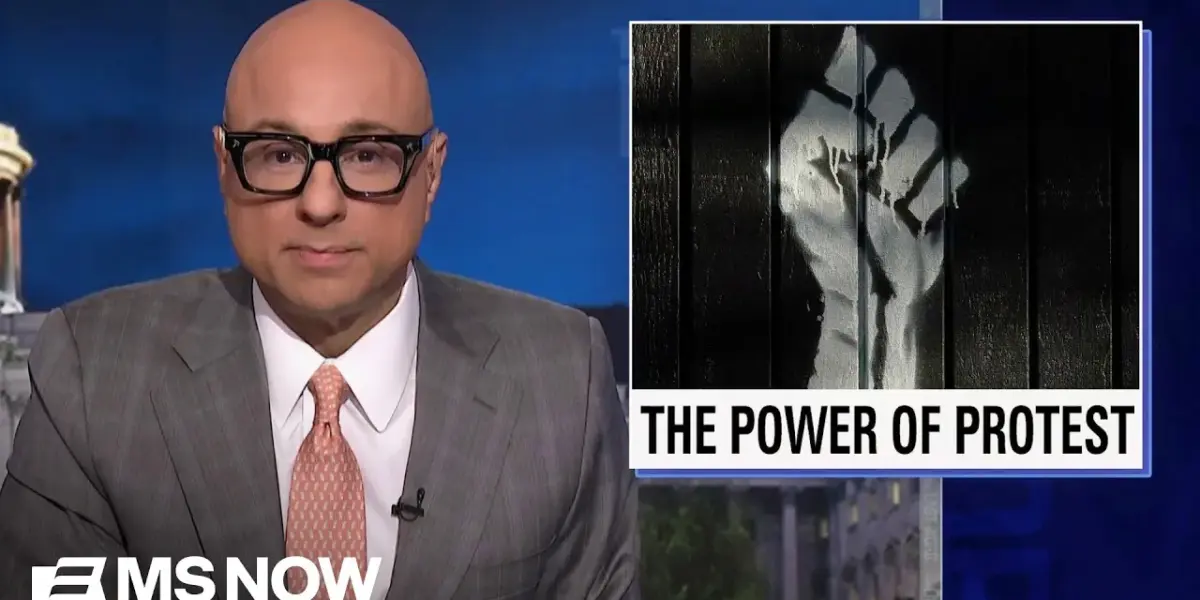
Protests Shape Nation’s History
History teaches a powerful lesson: significant change in America often begins not with government action, but with ordinary people demanding it. From factory safety to civil rights and environmental protection, citizens showing up and speaking out have repeatedly reshaped the nation’s laws and direction. This pattern is on full display as Americans prepare for another day of protests, reflecting a recurring theme where public pressure forces political action.
The Triangle Shirtwaist Factory Fire: A Catalyst for Safety
A tragic event in New York City on March 25, 1911, serves as a stark reminder of the human cost of unchecked industry. A fire at the Triangle Shirtwaist Factory claimed the lives of 146 garment workers, most of them young immigrant women and teenagers. Locked doors prevented escape, and inadequate fire escapes led to the horrific deaths of many. Just eleven days later, on April 5, an estimated 80,000 people marched through the city in the rain to mourn the victims and demand change. This powerful public outcry led to the passage of 36 new laws in New York State within two years, improving factory safety, working hours, and child labor standards. This marked a pivotal moment in the fight for workers’ rights.
The March on Washington and the Civil Rights Movement
Decades later, the fight for civil rights saw another powerful demonstration of people power. A. Philip Randolph had envisioned a march on Washington for years, and Bayard Rustin brought it to life in 1963. The massive gathering, with an estimated quarter-million people, stood together under the summer heat. Their unified presence and moral weight shifted the political landscape, pushing a Congress that had stalled on civil rights legislation for a decade. The march was instrumental in advancing the cause of equality and justice.
Earth Day: A Nation Demands Environmental Protection
The environmental movement gained critical momentum on April 22, 1970, with the first Earth Day. This nationwide event saw 20 million Americans—students, scientists, and factory workers alike—participate in cleanups, marches, and sit-ins. They demanded that the nation protect the air and water for everyone. Within a year, this widespread public demand led to the creation of the Environmental Protection Agency (EPA) and the signing of landmark legislation like the Clean Air Act and the Clean Water Act. Earth Day transformed the relationship between the American government and the natural world.
The Capitol Crawl: Fighting for Disability Rights
In a deeply moving act of protest on March 12, 1990, disability rights activists, many in wheelchairs, left their chairs at the base of the U.S. Capitol. They then crawled up the building’s 104 marble steps in an event known as the Capitol Crawl. Among them was eight-year-old Jennifer Keelan, who completed the entire crawl. This powerful visual demonstration highlighted the barriers faced by people with disabilities. Four months later, their efforts were recognized with the signing of the Americans with Disabilities Act (ADA), a landmark law ensuring equal opportunity and access.
The Power of Showing Up
What connects these historical moments is the clarity of purpose among the participants. The people who marched for civil rights knew they were demanding change. Jennifer Keelan’s crawl was a powerful argument for inclusion. While the Triangle Shirtwaist survivors marched in grief, their actions inadvertently laid the groundwork for modern worker protections. Crucially, in each case, these individuals did not wait for permission or the perfect moment. They saw the challenges of their time and decided it was precisely the right moment to act.
Current Protests Reflect Historical Pattern
Today, the nation finds itself in another such moment, with widespread protests planned in response to current events. A significant focus is on the ongoing conflict with Iran, which has lasted for a month without clear congressional approval or consistent explanation from the President. Reports indicate thousands of casualties, including civilians, and economic strain, with oil prices reaching near four-year highs. The stock market has also seen significant losses.
Government Gridlock and Public Frustration
Meanwhile, domestic issues also fuel public discontent. Long lines at airports due to a partial government shutdown have led to an executive order to pay TSA agents. However, Congress is heading into recess with no resolution on funding, rejecting Senate plans and proposing short-term extensions that only prolong the shutdown. This legislative deadlock has generated frustration among both Republicans and Democrats, with some describing the House’s actions as a “meltdown.”
Public Opinion and Presidential Disconnect
Public opinion polls reflect a growing unease. A Quinnipiac poll shows 54% of Americans oppose the war with Iran, and a significant majority, 65%, feel the economy is not working for them. The President’s overall approval rating stands at a low 38%. Despite these concerns and ongoing protests, the President’s public actions have been criticized as detached, including dancing to “YMCA” while the nation faces these challenges. Tomorrow’s protests, however, signal that Americans are once again showing up to make their voices heard, asserting that their leaders must answer to the people.
Looking Ahead
As citizens prepare to exercise their right to protest, history suggests that their collective action could influence policy and create lasting change. The coming days and weeks will reveal how effectively these voices are heard and whether they can prompt the governmental action seen in past pivotal moments.
Source: Ali Velshi: History has shown us what can happen when the people show up (YouTube)

Related Articles


Jane Fonda Warns of ‘Existential Crisis’ Amid Protests
Jane Fonda has issued a stern warning about widespread attacks on the First Amendment, urging Americans to defend their freedoms. The veteran activist highlighted the growing number of large-scale protests as a sign of public concern and a crucial opportunity to address both democratic erosion and the climate crisis.

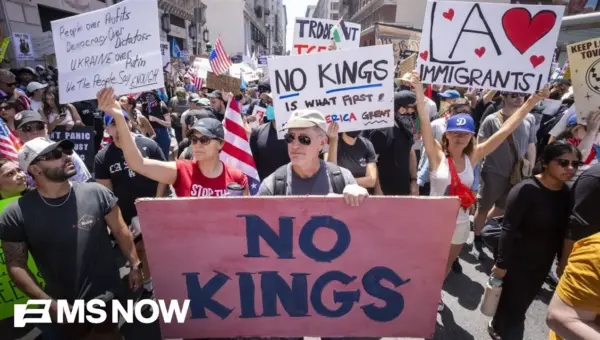
Workers Unite: Millions Demand Government Accountability
Millions of Americans are protesting, driven by anger and fear over the country's direction, healthcare access, and economic security. A diverse coalition, including union members and conservatives, is demanding government accountability and truthfulness. Organizers see a significant shift in momentum as citizens feel empowered to fight for change.

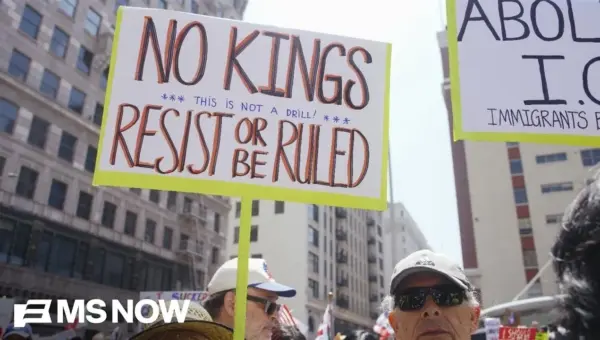
Millions Rally Nationwide for ‘No Kings’ Protests
Millions of Americans are set to participate in nationwide 'No Kings' protests, marking the largest demonstrations against the current administration's policies. The protests, fueled by issues including the war in Iran and immigration enforcement, are planned across all 50 states. Experts draw parallels to historical movements, emphasizing the power of sustained grassroots dissent in driving change.