TSA Workers Get Paid After Record Absences
TSA agents will finally receive paychecks after working nearly six weeks without salary, following a directive from President Trump. Record high absences had strained airport operations and caused significant passenger delays. The situation has sparked calls for better protections for essential workers during government shutdowns.

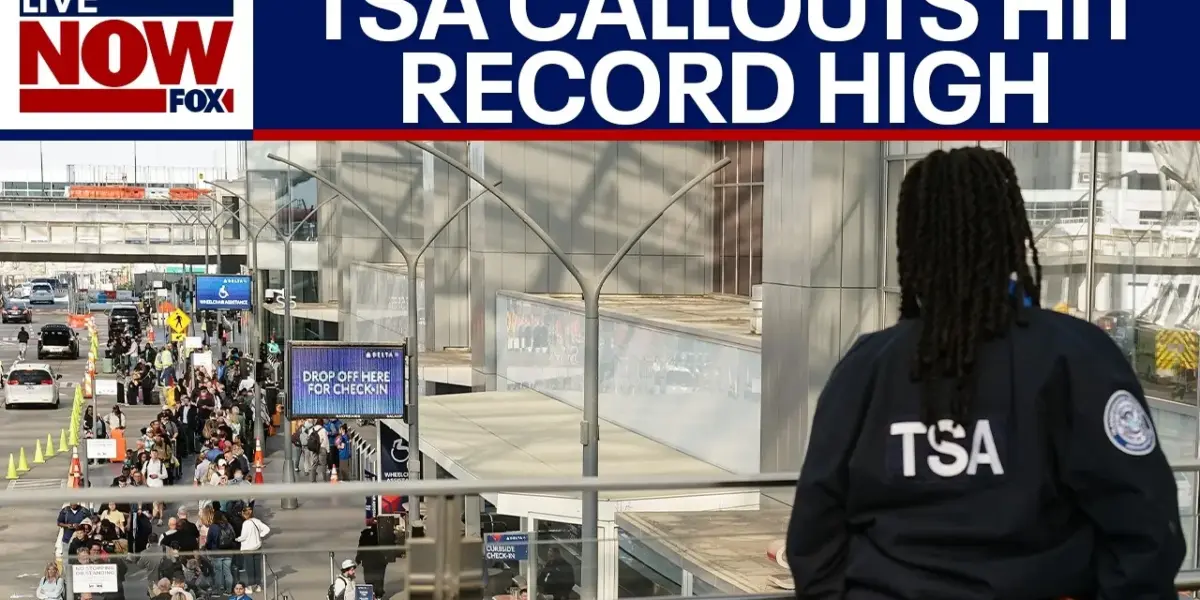
TSA Workers to Receive Back Pay After Weeks Without Salary
Thousands of Transportation Security Administration (TSA) agents will finally receive their paychecks after working for nearly six weeks without salary. President Trump issued a memo directing the Department of Homeland Security (DHS) to pay the affected workers. This move comes after a period of significant disruption and stress for both TSA employees and air travelers across the nation.
Record Callouts Strain Airport Operations
The unpaid federal employees, numbering around 50,000, faced severe financial hardship. Reports emerged of TSA agents struggling to make ends meet, with some living in their cars, unable to pay rent, or having their phone services cut off. Many were forced to sell plasma or take on side jobs like Door Dashing or Instacart to survive, a difficult task given rising gas prices.
The situation led to a record high in employee callouts, or absences, from work. By February, the absence rate had reached 12%, meaning nearly one in eight TSA agents did not report for duty. This strain was particularly felt during peak travel times like spring break, when airports are already exceptionally busy.
“The airports are jammed. So I, you know, given that yesterday we saw the absence rate hit 12%. Which is still pretty good. That means 88% of people are still coming to work, not get paid.”
Impact on Travelers and Airport Security
The high number of absences caused significant delays and stress for passengers. Major airports, including Houston, Atlanta, New Orleans, LaGuardia, and Baltimore, experienced long lines, with some travelers waiting up to four hours. The uncertainty surrounding wait times and staffing levels added to the anxiety for those trying to travel.
David Shepardson of Reuters noted the stress this uncertainty placed on travelers. “My brother was on a spring break trip with his family and they went to Chicago and there was no line, but they got there 3 hours early. So, they sat by the gate for like 2 hours and 45 minutes. So, I think the unknowing how much time do I get there? How do I manage what’s a completely very unknowable situation was really stressful for a lot of people.”
Concerns Over System Breaking Point
TSA leadership had expressed concerns that the agency might have to close smaller airports if the absence rate continued to climb. The situation was seen as nearing a breaking point, with many questioning how long the system could sustain such high levels of understaffing and employee distress.
The financial strain on TSA workers is particularly acute because they are essential personnel. Unlike other government employees who may be furloughed during shutdowns, TSA agents are required to continue working. This continued work without pay highlights a critical issue in how essential workers are treated during government funding disputes.
Calls for Future Protections and Bonuses
This recent shutdown has reignited discussions about preventing similar situations in the future. There is a growing push to ensure that essential workers like TSA agents are not caught in the middle of political disputes without pay. Some lawmakers are proposing solutions, such as Senator Ruben Gallego’s suggestion of a 10% bonus for all TSA workers who went without pay.
The possibility of bonuses for TSA agents, similar to those offered after a previous shutdown, is also being considered. However, the immediate concern is the disbursement of back pay, which DHS stated would begin hitting bank accounts on Monday. The exact timeline for receiving all owed back pay remains unclear.
Broader Implications for Essential Workers
The TSA situation serves as a stark reminder of the vulnerability of essential workers during government shutdowns. The reliance on these individuals to maintain critical services, coupled with their financial insecurity, raises questions about national priorities and worker protections. The incident underscores the need for bipartisan solutions that shield essential personnel from the consequences of political standoffs.
As the budget year is only partially complete, and TSA workers have already experienced significant periods of unpaid work, the long-term impact on morale and retention within the agency is a concern. The hope is that this crisis will lead to more stable and equitable treatment for those who keep the nation’s transportation systems running safely.
What’s Next?
The focus now shifts to the timely disbursement of back pay to TSA workers and the potential implementation of future protections or compensation. Lawmakers and government officials will likely face increased pressure to find a lasting solution that prevents essential workers from enduring similar hardships during future funding disputes. The stability and morale of the TSA workforce will be crucial to monitor in the coming months.
Source: TSA callouts hit record high as Trump promises to pay workers (YouTube)

Related Articles
House Republicans Reject Senate Deal, Sparking Government Funding Clash
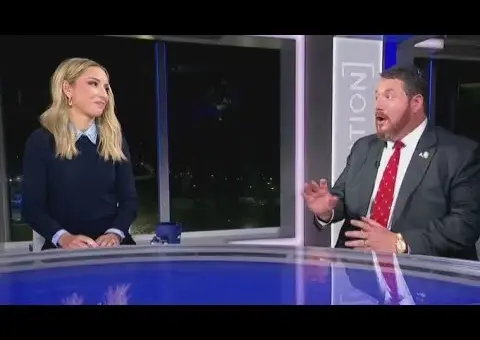
House Republicans have rejected a Senate bill to end the government shutdown, citing insufficient border security measures. Congressman Randy Fine called the Senate deal a "disgrace" and highlighted the ongoing fight for full government funding. President Trump's executive order to pay TSA agents offers temporary relief, but the core disagreement over border security continues to paralyze Washington.


Tiger Woods Arrested for DUI After Crash
Golf legend Tiger Woods was arrested for DUI in Florida following a dramatic rollover crash. Meanwhile, a government shutdown continues as House Republicans block a Senate deal, leading to airport chaos and TSA worker pay issues. The stock market also plummeted into correction territory amid fears of a prolonged Iran conflict.

TSA Funding Fight Sparks Airport Chaos, Worker Exodus
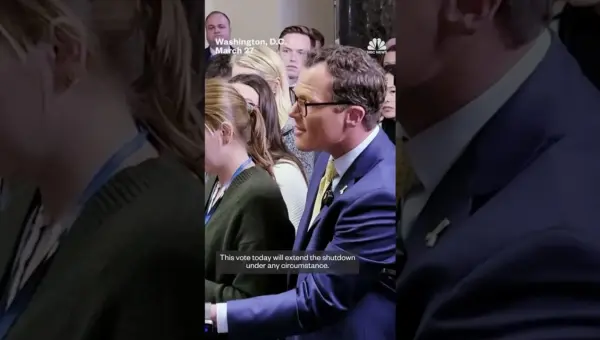
TSA officers will soon receive back pay after President Trump signed an emergency order, but the ongoing congressional funding fight continues to cause airport chaos. Long security lines and a significant number of TSA officer resignations highlight the deep divisions over border security measures, leaving travelers frustrated.