Gulf States Demand Seat at Table on Iran’s Nuclear Future
Gulf states are demanding a seat at the table for any U.S.-Iran talks regarding Iran's nuclear future. This move reflects a growing assertiveness and a desire to shape regional security directly. It signals a potential shift towards more inclusive diplomatic efforts in the Middle East.

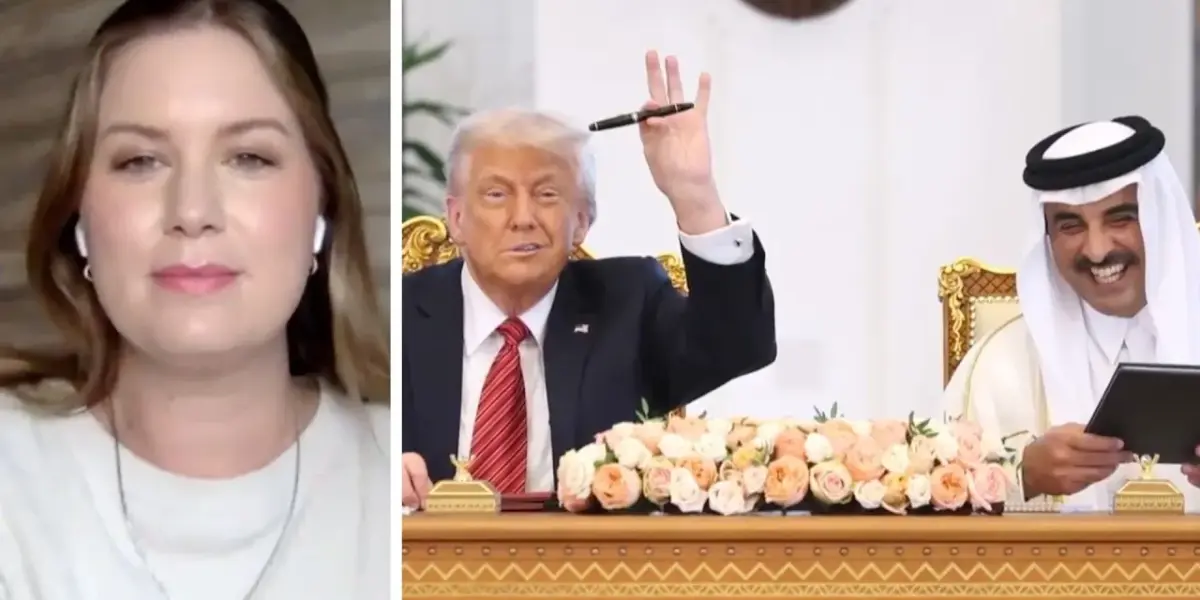
Gulf States Demand Seat at Table on Iran’s Nuclear Future
Leaders from Gulf nations are making it clear: they want a say in any future discussions between the United States and Iran, especially concerning Iran’s nuclear program. This push for involvement comes as tensions remain high in the Middle East. A recent meeting highlighted this desire, signaling a growing assertiveness from these regional powers.
A New Push for Regional Influence
The core issue is that Gulf states feel left out of crucial decisions that directly affect their security and stability. They are concerned about Iran’s potential to develop nuclear weapons and its broader regional activities. Therefore, they are actively seeking a more prominent role in diplomatic efforts. This is not just about being informed; it’s about having a direct voice in shaping outcomes.
Historical Context: A Shifting Dynamic
For decades, the United States has been a major security partner for many Gulf nations. However, recent years have seen shifts in American foreign policy and a perceived reduction in U.S. commitment to the region. This has led Gulf states to reassess their own security strategies and seek greater regional autonomy. They are no longer content to be passive observers; they want to actively manage their own security interests.
This desire for more involvement echoes past frustrations. When major powers have made decisions impacting the Middle East without sufficient regional input, the consequences have often been instability and conflict. The current push by Gulf states is a direct response to this history, aiming to prevent future missteps.
Why This Matters
The implications of this development are significant for several reasons. Firstly, it signals a potential shift in regional diplomacy, with Gulf states taking a more proactive stance. If they succeed in securing a seat at the table, it could lead to more comprehensive and sustainable agreements regarding Iran’s nuclear program and its regional behavior. This would be a departure from past approaches that often excluded key regional actors.
Secondly, it reflects a growing confidence and unity among Gulf nations. They are increasingly acting as a bloc, presenting a more cohesive front on international issues. This unified approach strengthens their negotiating position and their ability to influence global policy.
Balancing Interests: The US and Iran
The United States faces a complex balancing act. On one hand, it needs to address concerns about Iran’s nuclear ambitions and its destabilizing actions. On the other hand, it must consider the perspectives and security needs of its traditional allies in the Gulf. Ignoring the Gulf states’ demands could strain important relationships and undermine regional stability.
Iran, for its part, may see this as an opportunity to engage with a broader set of regional players. However, it also faces the challenge of navigating increased scrutiny and demands from its neighbors. The success of any future talks will likely depend on the willingness of all parties to engage in genuine dialogue and compromise.
Future Outlook: A New Era of Diplomacy?
The demand from Gulf states for greater involvement marks a critical juncture. It suggests a move towards a more inclusive and regionally-driven approach to Middle East security. If these nations can successfully assert their influence, future diplomatic efforts concerning Iran could be more effective. This could lead to a more stable and predictable region, benefiting not only the Middle East but also global security.
The path forward is not without its challenges. Building consensus among diverse regional interests and ensuring meaningful U.S. engagement will be key. However, the Gulf states’ assertive stance is a clear signal that they are ready to play a more significant role in shaping their own future.
Source: Gulf States Seek ‘More Involvement’ With US Over Iran’s Future: Analyst (YouTube)

Related Articles

Iran War Sparks Nuclear Fears: Is a Global Arms Race Brewing?
The conflict in Iran has heightened global fears of nuclear proliferation and a potential arms race. Experts warn that Iran may pursue nuclear weapons if its current deterrence fails, while historical examples show the dangers of unchecked nuclear ambitions. The world faces uncertain scenarios, ranging from renewed diplomatic efforts to a dangerous escalation of nuclear threats.

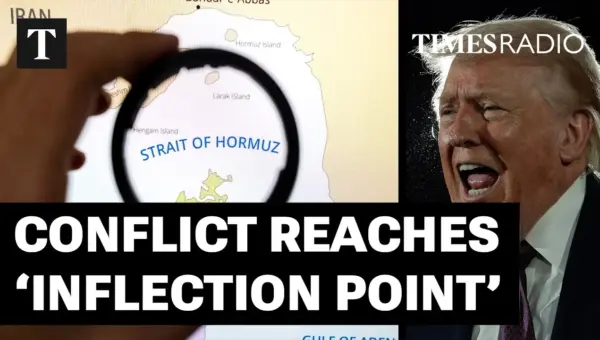
US & Iran at ‘Inflection Point’ as Global Energy Markets Threatened
Global tensions have reached a critical 'inflection point' as Iran's actions threaten energy markets and vital shipping lanes. While the US military reports progress on its objectives, diplomatic uncertainty and global economic impacts loom large. Experts discuss the challenges of reopening key waterways and the broader threat of disinformation campaigns.

Israel Strikes Iran Nuclear Sites Amid Stalled Talks
Israel has struck key Iranian nuclear facilities, including uranium enrichment and heavy water plants, amid stalled international negotiations. The U.S. is pushing for a deal to curb Iran's nuclear ambitions while also seeking allied support to secure the vital Strait of Hormuz.