China’s Organ Harvest: The CCP’s Dark Secret Exposed
A new bestseller, "Killed to Order," exposes China's alleged 20-year practice of forced organ harvesting from prisoners of conscience. Author Jan Jekielek details the system's scale and how the West may have become complicit. The book raises critical questions about human rights and international ethics.


China’s Organ Harvest: The CCP’s Dark Secret Exposed
A new book is shining a bright light on a horrifying practice happening in China. It’s called forced organ harvesting. This isn’t something new; it’s been going on for about 20 years. The book, titled “Killed to Order: China’s Organ Harvesting Industry and the True Nature of America’s Biggest Adversary,” was written by Jan Jekielek. It recently became a bestseller.
Unveiling a Grim Industry
Jekielek’s book details a system that takes organs from people who are often prisoners of conscience. This includes religious believers and others who disagree with the Chinese Communist Party (CCP). The investigations covered in the book show how widespread this practice is and how it operates. It’s a chilling look at a hidden industry. The book suggests that the CCP has managed to make Western countries indirectly involved in these crimes over the last 30 years.
A Look Back: The Roots of the Problem
The issue of organ harvesting in China has been discussed for years. Reports have surfaced over time detailing suspicious practices. For a long time, China claimed it relied on organs from executed prisoners. However, many experts and human rights groups raised serious doubts. They pointed to the impossibly short waiting times for organ transplants in China compared to other countries. This suggested a readily available supply of organs that couldn’t be explained by voluntary donation alone.
The book argues that the CCP has built a massive system around this practice. It involves harvesting organs from living donors, often without their consent. These organs are then sold for transplant surgery. The victims are often people targeted by the state for their beliefs or political views. This creates a dark market where human lives are treated as commodities.
The CCP’s Grip and Global Complicity
Jekielek’s work highlights how the CCP has managed to keep this system hidden. It also explains how the West has become part of this problem. Over decades, China has built relationships with countries around the world. These relationships include medical exchanges and research collaborations. The book suggests that this has allowed the CCP to mask its organ harvesting activities. It implies that medical professionals and institutions in Western countries may have unknowingly, or perhaps knowingly, benefited from this system. This could be through research, training, or even indirectly through organ supply chains.
Making the West complicit means that other countries have, in some way, helped or allowed this to happen. This could be by not asking enough questions, by continuing business as usual with China, or by not taking strong action against these alleged human rights abuses. The book challenges readers to consider the ethical implications of these international ties.
Why This Matters
The implications of forced organ harvesting are profound. Firstly, it represents a severe violation of fundamental human rights. Taking organs from individuals without their consent is a horrific act. It strips people of their dignity even in death. Secondly, it raises serious questions about China’s role on the global stage. If these practices are indeed widespread, they show a disregard for international ethical standards. This affects how other nations should interact with China.
Furthermore, the book points to a potential moral failing in the international community. If the West has indeed been made complicit, it means that economic or political ties have been prioritized over human lives. This is a difficult truth to face. It forces us to examine our own values and the decisions our governments and institutions make.
Trends and Future Outlook
The discussion around forced organ harvesting in China is gaining more attention. Books like Jekielek’s are helping to bring this issue to a wider audience. More international bodies and governments are starting to investigate and speak out. This growing awareness could lead to increased pressure on China to change its practices. It might also lead to stricter regulations on organ tourism and transplants involving China.
The future outlook depends on sustained global effort. Countries need to work together to ensure transparency in organ donation and transplant systems worldwide. China will likely face continued scrutiny. The CCP may need to address these allegations to improve its international standing. However, changing such a deeply entrenched system will be a long and difficult process. The fight for human rights and ethical medical practices continues.
Source: Forced Organ Harvesting in China Reveals True Nature of US’s Biggest Adversary: Author (YouTube)

Related Articles

US Must Block China’s Tech Access for Security
US national security experts are raising alarms about China's access to advanced AI chips, arguing it threatens strategic advantages. This, coupled with charges against Chinese entities for fentanyl precursor sales and a ban on foreign routers, signals a growing effort to prioritize security over business ties.
Trump’s “Walk Away” Tactic Signals Tougher Stance on China
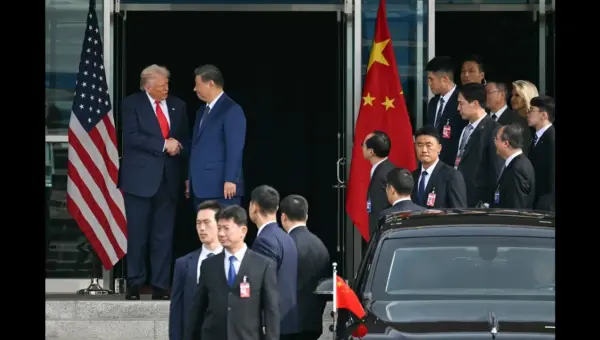
Retired Air Force Brigadier General David Stillwell believes President Trump's strategy of being willing to walk away from negotiations puts pressure on China. This tactic, combined with US global actions and strengthened alliances, signals a more assertive American foreign policy.

China Fights Back: Tariffs Loom Ahead of Trump Visit
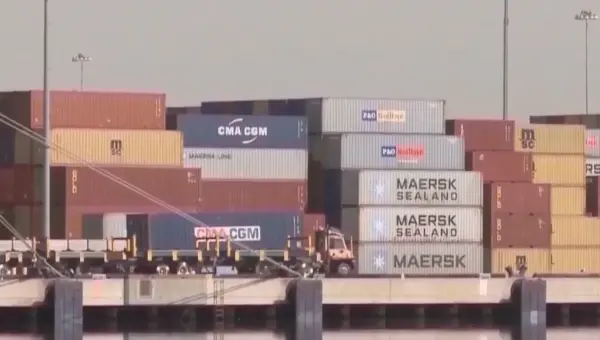
China is retaliating against US trade investigations that could lead to higher tariffs. This escalating trade tension occurs just before a planned visit by President Trump. The dispute involves accusations of unfair practices and impacts global supply chains.