Ukraine’s New Strategy Cripples Russian Oil Exports
Ukraine's new multi-layered strategy is rapidly disabling Russia's oil export capabilities. By attacking loading facilities and working with allies to intercept the "shadow fleet," Ukraine is significantly reducing Russia's oil revenues, even amidst rising global energy prices.

Ukraine’s New Strategy Cripples Russian Oil Exports
Russia’s oil industry is facing unprecedented pressure, despite global energy prices being high due to conflicts elsewhere. Higher prices alone aren’t enough for Russia to profit if they can’t actually deliver the oil. Ukraine’s recent actions have severely impacted Russia’s ability to export its energy resources.
Just a few days ago, an estimated 30% of Russia’s oil export capacity was offline. Now, that number has jumped to 40%, and it’s expected to increase further. Ukraine is effectively taking more Russian energy facilities out of commission, and there’s no sign they will stop.
Adding to Russia’s problems, other countries are now taking serious steps to stop Russia’s “shadow fleet” of oil tankers. This means Russia isn’t just facing sanctions on its oil, but actual physical interventions to prevent deliveries. This multi-layered approach is hitting Russia’s energy revenues from multiple angles.
This combination of factors creates a perfect storm for Russia. If they manage to fix one problem, another one arises. The simultaneous nature of these issues also makes it harder for Russia to respond effectively. Essentially, Russia has nowhere to go but down.
A Multi-Layered Attack on Russian Energy
Ukraine and its allies are using a smart, low-cost strategy that exploits Russia’s weaknesses. This approach avoids direct military conflict while significantly hurting Russia’s ability to fund its war.
Layer 1: Ukraine’s Drone Attacks
The first layer involves Ukraine directly targeting Russia’s oil and natural gas loading facilities. If oil can’t be loaded onto tankers, Russia can’t sell it, no matter how much they have. Ukraine has been attacking ports in the Black Sea, like Novorossiysk, for some time. Recently, they’ve expanded these attacks to ports in the Baltic Sea.
What’s new is that Ukraine isn’t just proving they can hit these targets; they are repeatedly attacking them. This is similar to how they previously targeted Russian oil refineries, causing widespread gasoline shortages. Now, they are focusing on ports and terminals to create longer-lasting problems for Russia.
This escalation also signals a shift in Ukraine’s strategy. In the past, Ukraine might have avoided hitting these energy targets to maintain political relationships with countries like the U.S. or Hungary. By striking now, Ukraine shows it feels more powerful and can afford to risk straining some of those relationships. They are taking the war’s economic front into their own hands.
Layer 2: International Enforcement Against the Shadow Fleet
The second layer happens after the oil leaves Russia. More countries are showing a willingness to enforce laws against Russia’s “shadow fleet” – a fleet of older tankers used to bypass sanctions. France recently boarded a shadow fleet tanker, and the UK is following suit.
This enforcement is crucial. When Russian tankers leave ports like those in the Baltic Sea, they often head for the Suez Canal. To do this, they must pass through the English Channel, which is surrounded by the waters of the UK and France. If these countries stop Russian tankers, the fleet will have to take a longer, more expensive route north around Scotland.
This detour adds 10-20% more time to each journey. This effectively reduces the size of the shadow fleet by 10-20%, meaning Russia has fewer ships available to export its oil, even if its ports are operational. This increases costs and reduces Russia’s overall export capacity.
This action could be just the beginning. The UK’s announcement came as its Prime Minister headed to a conference to discuss further actions against Russia’s shadow fleet. Other countries, especially those bordering the Baltic Sea like Poland, Germany, and the Baltic states, could join in. They could control the vital choke point leading out of the Baltic Sea, potentially stopping all Russian oil exports.
Layer 3: Ukraine’s Naval Drones in the Black Sea
The third layer focuses on the Black Sea, where Ukraine has significant control. Russia’s navy has been pushed back, leaving Ukraine to manage the waters. Ukraine is using inexpensive but effective naval drones.
There are signs that Ukraine may be willing to use these drones to disable shadow fleet tankers in the Black Sea. While they have previously targeted empty tankers to avoid environmental disasters, a recent attack on a full tanker suggests Ukraine is now confident it can disable loaded ships without sinking them.
This is important because it provides another way to stop Russian oil, even if Ukraine’s port attacks are temporarily fixed. It also uses different types of weapons than the drone attacks on ports, forcing Russia to defend against multiple threats with limited resources.
Why This Matters
Russia’s oil revenues are a primary source of funding for its war. By reducing these revenues, Ukraine and its allies are directly impacting Russia’s ability to continue its aggression. This multi-layered strategy is more effective than sanctions alone because it involves physical actions to stop oil from reaching the market.
Even with rising global energy prices, Russia is now in a worse financial position than before the war. Its export capacity is significantly reduced, and the costs of getting its oil to market are increasing. This situation is likely to worsen for Russia over time.
Historical Context and Future Outlook
For years, Russia has relied heavily on its oil and gas exports. Sanctions imposed after the initial invasion had some effect, but Russia found ways to circumvent them, often using its shadow fleet. This new strategy represents a more direct and forceful approach to cutting off those revenues.
The shift in Ukraine’s strategy, moving towards more aggressive economic warfare, suggests a growing confidence in its capabilities and a willingness to take greater risks. The increasing involvement of Western nations in enforcing measures against the shadow fleet shows a stronger, unified front against Russia’s energy exports.
The future outlook for Russia’s oil industry appears bleak. With attacks on its infrastructure, enforcement actions against its tankers, and potential blockades of key waterways, Russia faces significant hurdles in maintaining its energy exports. The success of this multi-layered strategy could force Russia to significantly reduce its military spending or seek new, less profitable markets.
A Glimpse of Resilience: Art Winery
The video also highlighted Art Winery, a Ukrainian business based in Bakhmut. Their story is a poignant reminder of the human cost of the war. The winery, located deep underground, was famous for its sparkling wines. Despite the destruction of Bakhmut and the looting of millions of bottles by Russian forces, some brave individuals managed to rescue hundreds of thousands of bottles.
These last bottles represent not only a unique product but also a piece of Ukrainian history and the resilience of its people. Supporting businesses like Art Winery is a tangible way to aid Ukraine’s economy and preserve its cultural heritage amidst the conflict.
Source: Ukraine’s New Strategy is QUICKLY Breaking Russia (YouTube)

Related Articles


G7 Allies Clash Over Iran War Strategy, Urge Focus on Russia
G7 foreign ministers met in Paris, revealing deep divisions over the U.S. war with Iran. European allies urged the U.S. to pressure Russia, linking its actions to the conflict and fearing support for Ukraine will wane.
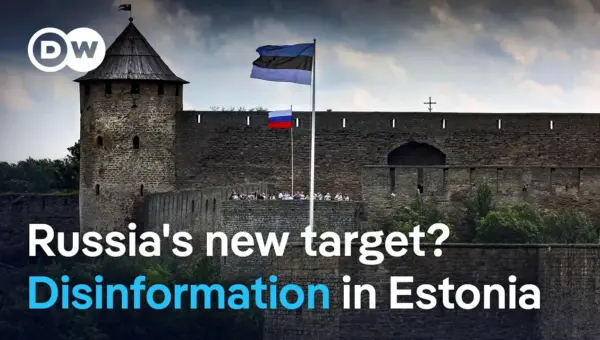
Russia Targets Estonia With Disinformation in Border City
Russia is reportedly conducting a disinformation campaign targeting Estonia's border city of Narva, aiming to sow discord among its Russian-speaking population. The online operation promotes separatist ideas, though residents largely dismiss the claims as fake. Estonian authorities view the campaign as a low-cost effort to undermine trust, with no concrete evidence of direct Russian government involvement.

Ukraine Strikes Cripple Russian Oil Exports
Ukrainian drone strikes are crippling Russia's oil exports and damaging its economy, leading to falling domestic support for President Putin. The targeted attacks on refineries and terminals aim to cut off war funding and have significant geopolitical consequences.