Justice Denied: 10 Cases Where Cops Got It Wrong
From flawed eyewitness accounts to biased technology, these 10 cases reveal devastating failures in law enforcement that led to wrongful convictions and immense suffering. Discover the shocking details of justice gone wrong.

Justice Denied: 10 Cases Where Cops Got It Wrong
Sometimes, the very people sworn to protect and serve make colossal mistakes. These aren’t just minor slip-ups; they are failures that can ruin innocent lives. Today, we’re looking at 10 shocking cases where police errors, from tunnel vision to biased judgments, led to terrible miscarriages of justice. These stories remind us how crucial fairness and accuracy are in our legal system.
David Milgard: A Teenager’s Nightmare
In January 1969, a brutal crime shook Saskatoon, Saskatchewan. A young nursing aid named Gail Miller was attacked and murdered. Within weeks, police zeroed in on David Milgard, a 16-year-old passing through town. Despite having no real evidence connecting him to the murder, prosecutors pushed forward. They relied on witness accounts that were shaky and statements from friends that seemed forced. Milgard’s alibi was ignored, and he was convicted, sentenced to life in prison. For decades, his mother, Joyce Milgard, fought tirelessly to clear his name. Her efforts finally paid off in 1997 when new DNA testing proved David’s innocence. The real killer was identified as serial offender Larry Fischer. Milgard’s experience was, in his own words, ‘humiliating,’ a stark reminder of how easily the system can fail.
Robert Williams: Facial Recognition Fiasco
Fast forward to January 2020 in Detroit. Robert Williams, a Black man, was arrested for a high-end watch theft he absolutely did not commit. The reason? A faulty facial recognition match. Police ran blurry surveillance video through a facial recognition system, and it pointed to Williams. Even though there were clear differences between him and the person in the video, the system flagged him. He was arrested on his front lawn in front of his family, spent a night in jail, and was questioned about a crime he had nothing to do with. Williams sued the city and received a $300,000 settlement. His case became a major point in the discussion about facial recognition technology, highlighting its racial bias and high error rates. The Detroit Police Department stated that they have since created a new policy for using facial recognition, requiring multiple approvals before it can be used in an investigation.
The Scottsboro Boys: A Racially Charged Accusation
In 1931, in the deeply segregated South of Alabama, nine Black teenagers were falsely accused of assaulting two white women on a train. This happened during a time of intense racial tension. The Scottsboro Boys were quickly put on trial by all-white juries. Despite conflicting testimonies, no physical proof, and later retractions of statements, eight of the nine were sentenced to death. Over the next 20 years, appeals and Supreme Court decisions brought important changes to legal rights, like the right to a good lawyer and protection against biased juries. While some convictions were overturned and pardons eventually given, these young men lost years of their lives for crimes they never committed.
The Zodiac Killer: An Unsolved Mystery’s Toll
The Zodiac Killer terrorized Northern California in the late 1960s and early 1970s. This remains one of America’s most famous unsolved cases. The killer sent taunting letters and ciphers to the police, leading investigators down many paths over the years. Arthur Lee Allen was the most well-known suspect, based on witness accounts and circumstantial evidence. However, DNA and handwriting tests couldn’t definitively link him to the crimes. While no one was ever officially charged, the Zodiac investigation serves as a warning. It shows how even massive police efforts can be thrown off track by false leads and uncertainty.
Kirk Bloodsworth: Exonerated from Death Row
In 1984, Kirk Bloodsworth was wrongly convicted of murdering a 9-year-old girl named Dawn Hamilton in Maryland. The conviction was based mainly on eyewitness accounts, even though he had an alibi and no physical evidence linked him to the crime. Bloodsworth was sentenced to death. He described the accusation as the ‘most horrible feeling’ he ever experienced. In 1993, DNA testing, a fairly new forensic tool back then, proved the biological evidence didn’t match him. Bloodsworth became the first person in U.S. history to be freed from death row thanks to DNA evidence. His case helped push for the wider use of DNA testing across the country and highlighted the dangers of relying too much on what people *think* they saw.
The Yorkshire Ripper: A Case of Misdirection
Between 1975 and 1981, Peter Sutcliffe murdered at least 13 women and attacked seven others across northern England. He became known as the Yorkshire Ripper. Police interviewed Sutcliffe nine times during the investigation, even stopping him in areas close to where murders occurred. However, a major mistake involved fake letters and an audio tape sent to police by someone claiming to be the killer. Investigators became obsessed with the hoaxer’s accent, which was not from Yorkshire. This narrowed their search and caused them to overlook suspects like Sutcliffe, who was from Yorkshire. The investigation’s failures were so bad that they led to major changes in British policing. This included creating a computer system to manage complex investigations.
The West Memphis Three: Satanic Panic and False Confessions
In May 1993, the murders of three young boys in West Memphis, Arkansas, sparked widespread fear. This fear became mixed with the era’s ‘satanic panic,’ where people wrongly believed in widespread devil worship. Investigators focused on three teenagers, Damien Echols, Jessie Misskelley Jr., and Jason Baldwin. Their interest in heavy metal music and their ‘outsider’ reputations were used against them. Evidence presented at the trial included Stephen King novels, which the prosecution claimed proved they were satanic. The case against Misskelley relied heavily on a confession that was improperly obtained and full of errors. There was no DNA or solid physical evidence linking the teens to the crime. In 2011, after nearly 18 years in prison, all three were released through a legal process called an Alford plea. This allowed their release without them admitting guilt, and without fully clearing their names.
Steven Avery and Brendan Dassey: A Double Wrong
Steven Avery’s story is deeply connected to his earlier wrongful conviction. He spent 18 years in prison for a sexual assault he didn’t commit. DNA testing finally cleared him in 2003. He then filed a $36 million lawsuit against the county. Just two years later, Avery was charged with the murder of photographer Teresa Halbach. Investigators raised concerns because county officials, who were defendants in Avery’s lawsuit, were involved in collecting evidence. Brendan Dassey, a teenager with documented learning disabilities, was also interrogated for hours without a lawyer or parent present. His confession was later ruled involuntary by a judge, though higher courts eventually reinstated his conviction. Avery believes no amount of money can truly make up for the lost years.
Richard Jewell: The Olympic Bombing Suspect
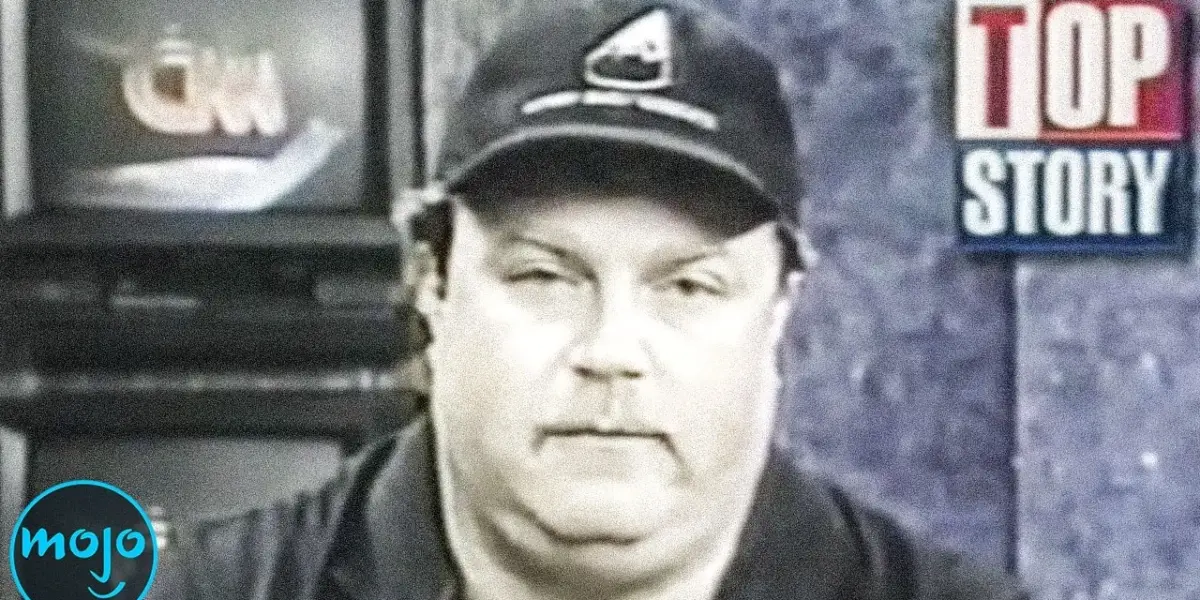
During the 1996 Summer Olympics in Atlanta, security guard Richard Jewell found a backpack with a pipe bomb in Centennial Olympic Park. He helped clear the area, likely saving many lives. Despite his heroic actions, the FBI quickly focused on Jewell as a suspect. They used a behavioral profile that suggested a ‘hero bomber’ who commits an attack for attention. Within days, media leaks identified Jewell as a person of interest. His life was put under intense public scrutiny for 88 days, though he was never charged. The FBI later identified the real bomber as Eric Rudolph, who carried out other attacks before being captured in 2003.
The Central Park Five: A Case of Forced Confessions
On April 19, 1989, a woman was brutally attacked while jogging in Central Park. Amidst public outrage and intense media attention, police quickly arrested a group of teenagers from Harlem. Despite no DNA evidence linking any of them to the assault, confessions became the core of the prosecution’s case. The teenagers were convicted and served between 6 and 13 years in prison. In 2002, a serial sex offender named Matias Reyes confessed to the crime, and DNA evidence matched him to the attack. The convictions were overturned, and New York City later paid the five men a $41 million settlement. The men spoke about how they were dehumanized and called ‘animals’ during the ordeal.
Source: 10 Crimes The Police Got Completely WRONG (YouTube)

Related Articles


Gilgo Beach Killer Nears Confession, Ending Long Wait
Rex Heuermann, accused in the Gilgo Beach serial killings, is reportedly expected to plead guilty to seven murders. This potential confession could bring long-awaited closure to the victims' families after years of investigation and uncertainty.
Killer Admits Long Island Murders After Decades of Fear
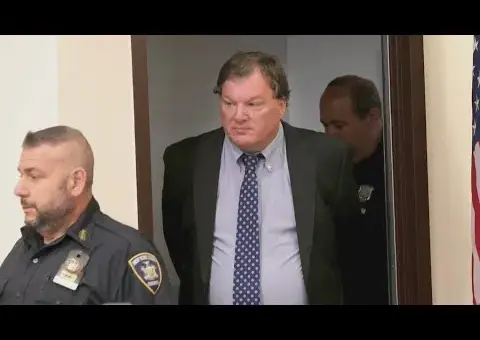
Accused Gilgo Beach killer Rex Heuermann is reportedly expected to plead guilty to seven murders. This potential confession could finally bring closure to families who have waited decades for justice. The case has haunted Long Island since the early 1990s.

AI Sparks Trust Crisis in Publishing and Law
AI's growing capabilities are causing significant trust issues in both the publishing and legal industries. A novel was canceled over AI writing claims, while courts are seeing an increase in fabricated legal citations. These incidents highlight the urgent need for verification and oversight as AI becomes more integrated into professional workflows.