Trump Critical of NATO as Iran Conflict Escalates
President Trump voiced frustration with NATO's lack of involvement in the Iran conflict while the U.S. military prepares for a sustained campaign. Reports indicate significant damage to Iran's military, but tensions remain high with ongoing missile strikes and a recent attack on a Saudi air base wounding U.S. personnel.

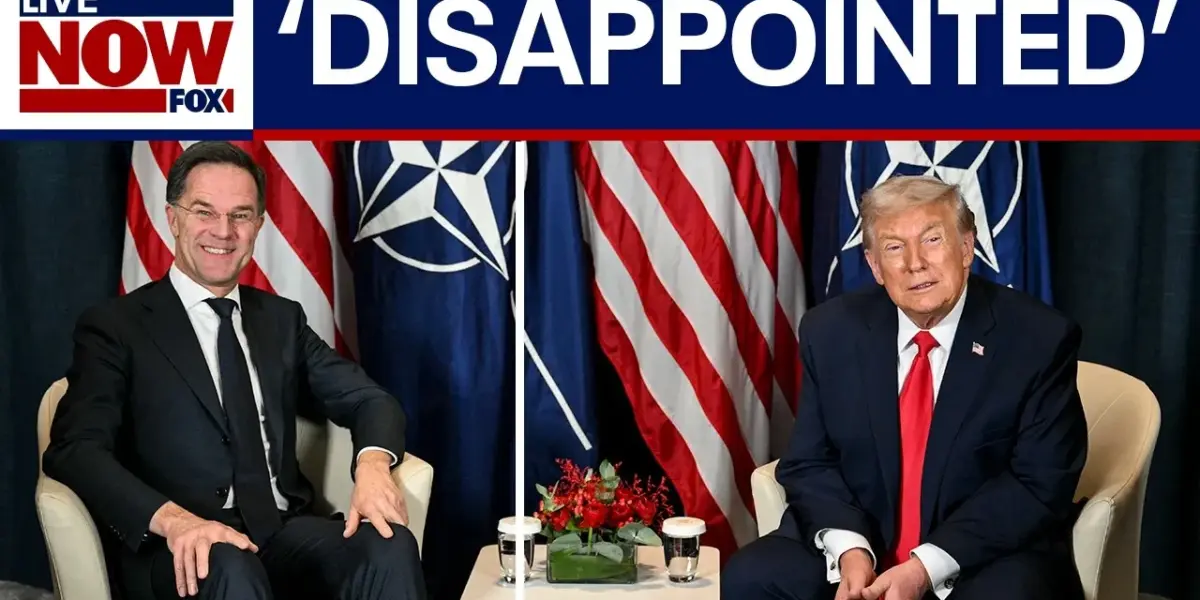
Trump Questions NATO’s Role Amid Mideast Tensions
President Donald Trump has expressed frustration with NATO’s lack of involvement in the ongoing conflict with Iran, stating that the United States does not “have to be there for NATO.” These remarks come as the U.S. military prepares for a potentially sustained campaign in the Middle East, with reports of increased troop deployments and significant damage to Iran’s military capabilities.
Operation Epic Fury Enters Critical Phase
Twenty-four days into what is codenamed Operation Epic Fury, the situation remains tense. President Trump has pursued a dual strategy, simultaneously signaling openness to negotiations while also preparing for continued military action. On Thursday, he indicated that talks were progressing and extended a deadline for Iran to reopen the Strait of Hormuz, a vital shipping lane.
However, Iran has presented a different narrative, denying any ongoing talks and stating they are still considering a 15-point plan. This divergence in communication highlights the complex diplomatic and military standoff. Despite the conflicting reports, U.S. officials suggest Iran has been significantly impacted, with much of its missile arsenal and military capabilities damaged or destroyed.
U.S. Military Bolsters Presence in Middle East
In response to the escalating conflict, the Pentagon is reportedly preparing to deploy an additional 10,000 service members to the Middle East. While their exact role remains unclear, officials believe these troops will provide President Trump with more strategic options. The U.S. government is also working on a program to offer government-backed insurance for naval ships transiting the region, along with providing naval escorts.
This buildup comes as Iran continues its missile strikes on neighboring Gulf states and targets ships in the Strait of Hormuz. The conflict’s persistence is also impacting global markets, with oil prices spiking and the stock market experiencing significant downturns.
Lawmakers Raise Concerns Over Iran Deal
On Capitol Hill, lawmakers are questioning the administration’s ability to ensure Iran adheres to any potential agreement. Concerns have been voiced about past dealings with Iran, with some arguing that trust in any negotiated settlement is difficult to establish. President Trump has set a firm deadline of April 6th for Iran to reopen the Strait of Hormuz.
Iran’s Strategy: Survival and Resistance
Experts suggest that Iran’s primary strategy may be one of survival, positioning itself as a resistance movement rather than a conventional state actor. If the Iranian government can withstand the U.S. pressure and maintain its military’s capability, it may claim a form of victory. This approach raises questions about the long-term implications for U.S. objectives, particularly if hardline leadership remains in place.
Trump’s Growing Dissatisfaction with NATO
President Trump’s criticism of NATO has intensified, with the U.S. leader expressing disappointment over the alliance’s perceived inaction from the outset of the conflict. He has suggested that if the U.S. faces a crisis in Europe, he might not be there for NATO. This stance underscores a broader questioning of U.S. commitments to international alliances when perceived national interests are at stake.
“We’re going to see U.S. government-backed insurance program for naval ships that want to go through along with naval escort.”
White House Official
Cuba Next on Trump’s Agenda?
Beyond the Middle East, President Trump has also indicated a focus on Cuba, stating that “Cuba is next” during a recent speech in Miami. While the exact nature of this intensified pressure remains unclear, U.S. military commanders for Southern Command have stated they are not preparing for an invasion of Cuba.
Recent Attack on Saudi Air Base
Adding to the regional instability, reports indicate an Iranian missile strike on the Prince Sultan air base in Saudi Arabia. The attack reportedly wounded multiple U.S. service members and damaged several U.S. refueling aircraft. Details are still emerging, but at least ten U.S. service members are said to have been injured, with two in serious condition. This incident underscores the ongoing risks and potential for escalation in the Middle East.
Looking Ahead
The coming days will be crucial in determining whether diplomatic efforts can de-escalate the situation with Iran or if military operations will continue to expand. President Trump’s stance on NATO and his focus on other geopolitical issues suggest a period of significant diplomatic and strategic realignments on the global stage.
Source: Trump: US does not 'have to be there for NATO' (YouTube)

Related Articles
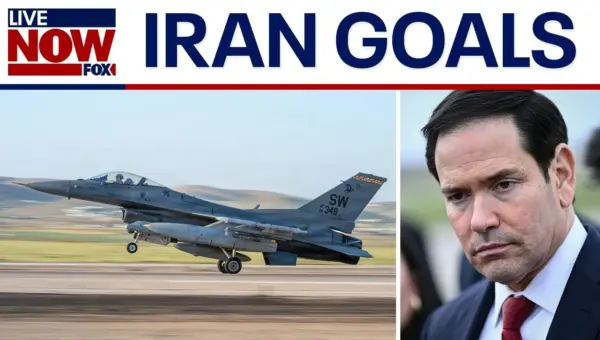
Rubio: US Can Achieve Iran War Goals Without Troops
Senator Marco Rubio outlined a strategy to counter Iran without deploying U.S. ground troops, focusing on weakening the regime and enhancing maritime security. He also criticized Cuba's economic system and expressed concerns about West Bank violence.


Tiger Woods Arrested for DUI After Crash
Golf legend Tiger Woods was arrested for DUI in Florida following a dramatic rollover crash. Meanwhile, a government shutdown continues as House Republicans block a Senate deal, leading to airport chaos and TSA worker pay issues. The stock market also plummeted into correction territory amid fears of a prolonged Iran conflict.

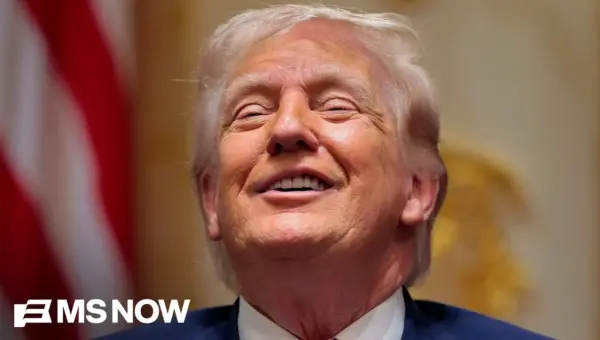
Trump’s Name Everywhere: A ‘Stain’ on GOP Legacy?
Former President Donald Trump's efforts to brand national symbols, including a proposed signature on dollar bills, spark debate. Critics view this as an authoritarian attempt to embed his legacy, potentially staining the Republican Party's history and contrasting with democratic ideals of public ownership.