Comedian’s Viral Skit Sparks Outrage, Exposes Political Hypocrisy
A viral comedy skit by Druski targeting Candace Owens has sparked intense backlash from MAGA supporters. Critics argue this outrage exposes a significant hypocrisy, contrasting it with the silence surrounding past offensive statements and actions by prominent Republican figures like Donald Trump. The incident highlights selective outrage and the complex role of satire in political discourse.

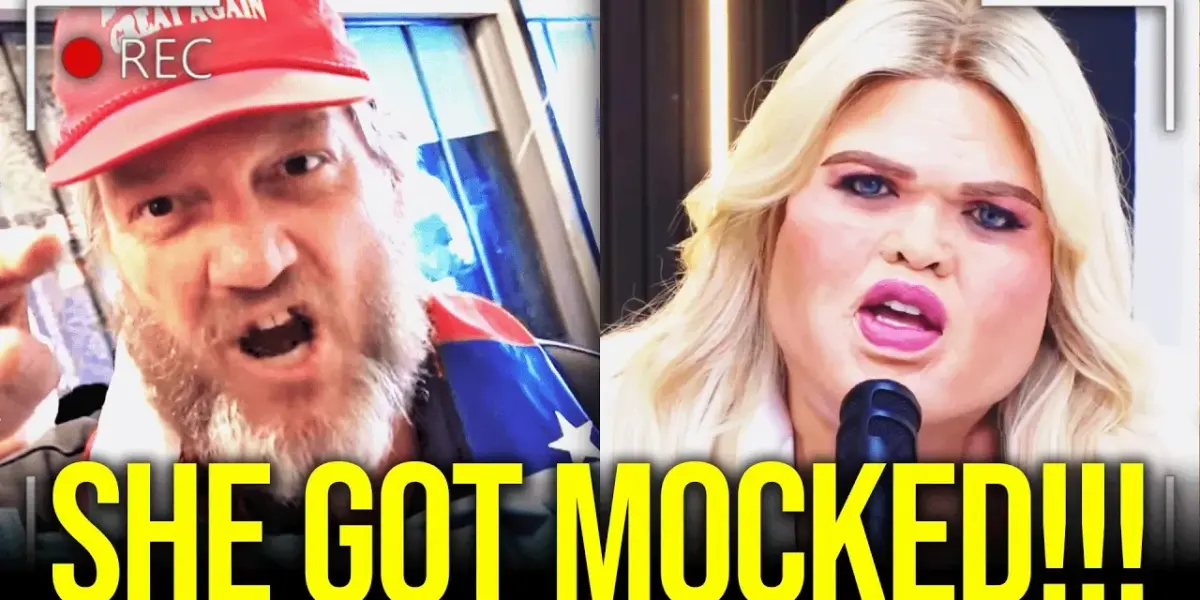
Comedian’s Viral Skit Sparks Outrage, Exposes Political Hypocrisy
A recent viral video by comedian Druski has ignited a firestorm of controversy, particularly among conservative circles. The skit, which satirizes conservative commentator Candace Owens and her views, has been met with accusations of racism and hate speech. However, many observers point to a stark double standard, highlighting past statements and actions by prominent Republican figures that have gone largely unaddressed by the same critics.
The Skit and the Reaction
Druski, known for his comedic impersonations and viral content, created a video that poked fun at Candace Owens. The skit, which has garnered millions of views, uses humor to critique some of her well-known stances. The immediate reaction from some parts of the MAGA movement was swift and intense, with many calling the video offensive and out of line.
However, the comedian’s supporters and many commentators argue that the outrage is misplaced and highlights a deeper hypocrisy within conservative politics. They point to statements made by Donald Trump, including wishing death upon a political opponent and sharing a video that depicted the Obamas as apes. These actions, they argue, are far more offensive and harmful than a comedian’s satirical skit.
A Double Standard in Comedy and Criticism
The core of the argument against the MAGA crowd’s reaction lies in what many see as a selective application of outrage. While Druski’s video is labeled as a hate crime by some, the same individuals remain silent when prominent Republican figures engage in what many consider to be abhorrent behavior or speech. This selective outrage suggests that the criticism is not about the content itself, but rather about who is delivering the message and who is being targeted.
The transcript highlights how Donald Trump has made deeply offensive statements, including wishing death upon a political opponent and sharing racist imagery. It also notes his legal troubles, including being found liable for sexual abuse and defamation. Despite these serious issues, the same people who are outraged by Druski’s comedy are often silent or even supportive of Trump. This stark contrast fuels the argument that there is a significant hypocrisy at play.
Historical Context and Political Commentary
The debate around Druski’s skit is not happening in a vacuum. It touches upon broader conversations about free speech, political satire, and the role of comedy in society. For years, conservatives have accused liberals of being overly sensitive and unable to take a joke, often using the term ‘snowflake’ to describe them. Yet, when a conservative figure is the subject of satire, the reaction is often one of extreme offense.
This situation also brings to light the complexities of political commentary. Comedians often use satire to critique power and expose societal flaws. When this satire hits close to home for a particular political group, the response can be telling. The transcript suggests that the MAGA movement is quick to defend its own, even when their actions are questionable, while simultaneously being quick to condemn those who criticize them.
Why This Matters
This incident is important because it reveals a potential double standard in how political figures and their supporters react to criticism. It raises questions about the nature of outrage and whether it is based on genuine offense or political alignment. The selective condemnation of Druski’s skit, while ignoring more serious transgressions by political leaders, suggests that political identity often trumps moral consistency for some.
Furthermore, it highlights the power of social media and viral content in shaping public opinion and political discourse. The sheer volume of views on Druski’s skit and the subsequent backlash demonstrate how quickly information, and often misinformation, can spread. This makes it crucial for individuals to critically evaluate the sources of their information and to be aware of the potential for bias and hypocrisy.
Implications and Future Outlook
The ongoing debate surrounding Druski’s skit could have several implications for the future of political satire and commentary. It may lead to a more nuanced understanding of what constitutes acceptable criticism versus hate speech. It also underscores the importance of holding all public figures, regardless of their political affiliation, to a consistent standard of behavior and speech.
As political polarization continues to be a defining feature of the current era, incidents like this serve as a reminder of the often-inconsistent nature of public discourse. The ability of a comedian to provoke such a strong reaction, while more serious offenses by political figures are met with silence, suggests that the battle for hearts and minds is as much about narrative control as it is about policy or principle. The internet, while a powerful tool for connection and information, also amplifies these divisions, making it essential for audiences to engage with content critically and thoughtfully.
Source: MAGA Can’t Handle Comedian DESTROYING Erika Kirk (YouTube)

Related Articles

MAGA Voters Divided Over Potential Iran War
The potential for a US war with Iran has sparked debate at CPAC, revealing a divided MAGA base. While some support military action, many express concerns over prolonged conflicts and rising economic costs, particularly higher gas prices.

MAGA Faces Crisis: Internal Strife and Public Doubt Emerge
The MAGA movement is reportedly facing internal divisions and growing public doubt. Key issues like the Iran conflict and economic concerns are creating rifts within the base, while criticism questions the movement's appeal and direction. These factors suggest a potential fracturing of the once-unified political force.
MAGA Base Questions Trump’s Grip at Chaotic CPAC
A conservative gathering revealed surprising dissent within the MAGA base, with attendees booing impeachment. This, coupled with government shutdowns and electoral losses, signals potential shifts in the party's direction and priorities.