Trump’s Inner Circle Shields Him From War Reality
President Trump reportedly receives heavily filtered updates on the conflict with Iran, focusing on successes while downplaying setbacks. This intentional information control aims to maintain his belief in a decisive victory, but raises concerns about his ability to make informed decisions.


Trump’s Inner Circle Shields Him From War Reality
It’s hard to keep up with Donald Trump’s changing statements about the conflict with Iran. He has repeatedly claimed victory, stating that the U.S. has completely destroyed Iran’s military capabilities. He even said Iran’s navy and air force were taken out and that they could no longer communicate effectively. These statements suggest a decisive win.
However, the reality on the ground seems different. If Iran were truly defeated, preparing ground troops to enter the country, continuing bombings, and facing $4 a gallon gasoline prices wouldn’t make sense. These issues suggest that Trump’s claims about winning are not accurate.
Why the Disconnect?
The question arises: why would Trump say things that are demonstrably untrue? The answer, according to a new report from NBC News, is that he genuinely believes what he is told. His close advisors are reportedly creating a filtered reality for him, keeping him in a “cocoon of ignorance” about the true state of the conflict.
This strategy involves U.S. military officials putting together short video updates for the 79-year-old president. These videos focus on explosions and highlight what are presented as the most successful strikes. This approach aims to give Trump the impression that the U.S. is winning the war decisively.
Selective Information Flow
According to three current U.S. officials interviewed for the report, the information Trump receives about the war heavily emphasizes American successes. Details about Iranian actions or setbacks are notably scarce. This selective presentation of facts creates a skewed perception of the conflict.
An example of this information gap occurred recently. Five U.S. Air Force refueling planes were hit during an Iranian strike at Prince Sultan Air Base in Saudi Arabia. Trump was not initially briefed on this incident. He reportedly learned about the attack from news reports.
When Trump later asked about the strike, he was told that the planes were not significantly damaged. This response further illustrates how sensitive information about setbacks might be downplayed or omitted in his briefings. The goal appears to be maintaining his belief in an ongoing American victory.
Historical Context of Information Control
This method of controlling information for a leader is not entirely new. Throughout history, leaders have often been presented with curated information to shape their decisions and maintain morale. During wartime, this can be a deliberate tactic to ensure the leader projects confidence and avoids displaying doubt. However, it also carries significant risks.
In the past, leaders who were insulated from the full truth sometimes made decisions based on incomplete or misleading intelligence. This could lead to miscalculations and unintended consequences. The pressure to present a positive outlook can sometimes overshadow the need for accurate situational awareness.
Why This Matters
The way President Trump receives information about a critical military conflict has significant implications. If a leader is not fully aware of the challenges and setbacks, their ability to make sound strategic decisions is compromised. Misinformation, even if well-intentioned by advisors, can lead to poor policy choices.
For example, if Trump believes the conflict is easily won, he might be less inclined to pursue diplomatic solutions or understand the need for sustained, realistic strategy. It could also affect how he communicates with the public, leading to a further disconnect between official narratives and public perception. This lack of transparency can erode trust.
Implications, Trends, and Future Outlook
This situation highlights a broader trend in modern politics: the careful management of a leader’s public image and private understanding. In an era of instant news and social media, controlling the narrative is crucial for many political figures. However, when this control extends to shielding leaders from factual realities, especially concerning military actions, the risks increase substantially.
The future outlook depends on whether this practice continues. If leaders are consistently fed filtered information, the risk of strategic blunders remains high. It raises questions about accountability and the effectiveness of decision-making processes. A more transparent approach, even when difficult news needs to be delivered, is generally seen as more conducive to sound governance and national security.
Ultimately, the effectiveness of any strategy relies on accurate intelligence. While advisors may seek to protect a leader’s confidence, the cost of ignorance in critical situations can be far too high. The real challenge lies in finding a balance between maintaining morale and ensuring that leaders have a clear, unvarnished view of the truth.
Source: Trump's advisors are CUTTING HIM OFF (YouTube)

Related Articles
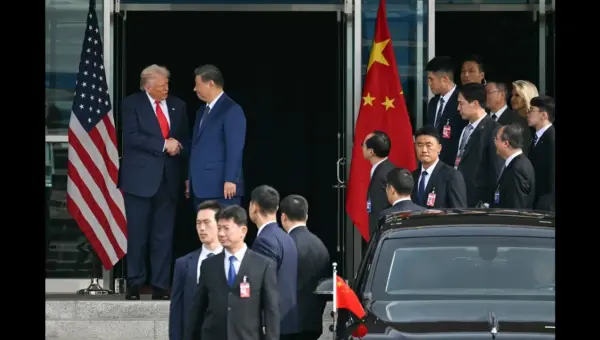
Trump’s “Walk Away” Tactic Signals Tougher Stance on China
Retired Air Force Brigadier General David Stillwell believes President Trump's strategy of being willing to walk away from negotiations puts pressure on China. This tactic, combined with US global actions and strengthened alliances, signals a more assertive American foreign policy.


Tiger Woods Arrested for DUI After Crash
Golf legend Tiger Woods was arrested for DUI in Florida following a dramatic rollover crash. Meanwhile, a government shutdown continues as House Republicans block a Senate deal, leading to airport chaos and TSA worker pay issues. The stock market also plummeted into correction territory amid fears of a prolonged Iran conflict.
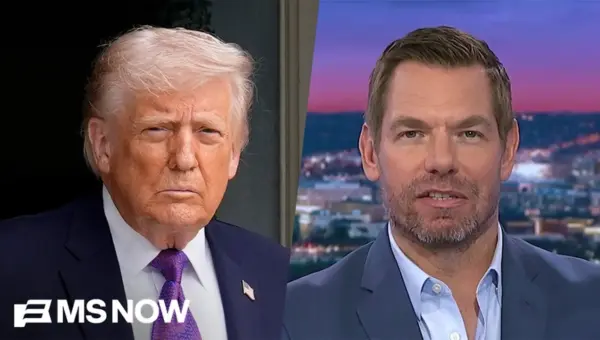
Trump’s Iran War Plans Criticized Amid Border Funding Standoff
Lawmakers and analysts are criticizing the Trump administration's handling of the Iran conflict and its approach to border funding, arguing that a lack of clear planning and a focus on political battles are making the U.S. less safe. Concerns are particularly high regarding the FBI's priorities and the potential impact of these issues on national security.