Iran Conflict Sparks Market Volatility, Experts Weigh In
Geopolitical tensions in the Middle East have rattled global markets, with stocks falling and safe-haven assets like the U.S. dollar strengthening. Experts suggest the market may have overreacted, creating potential buying opportunities, but warn of a "bumpy journey" ahead due to infrastructure damage and potential oil shortages. Concerns also linger about the Federal Reserve's independence amidst political commentary.

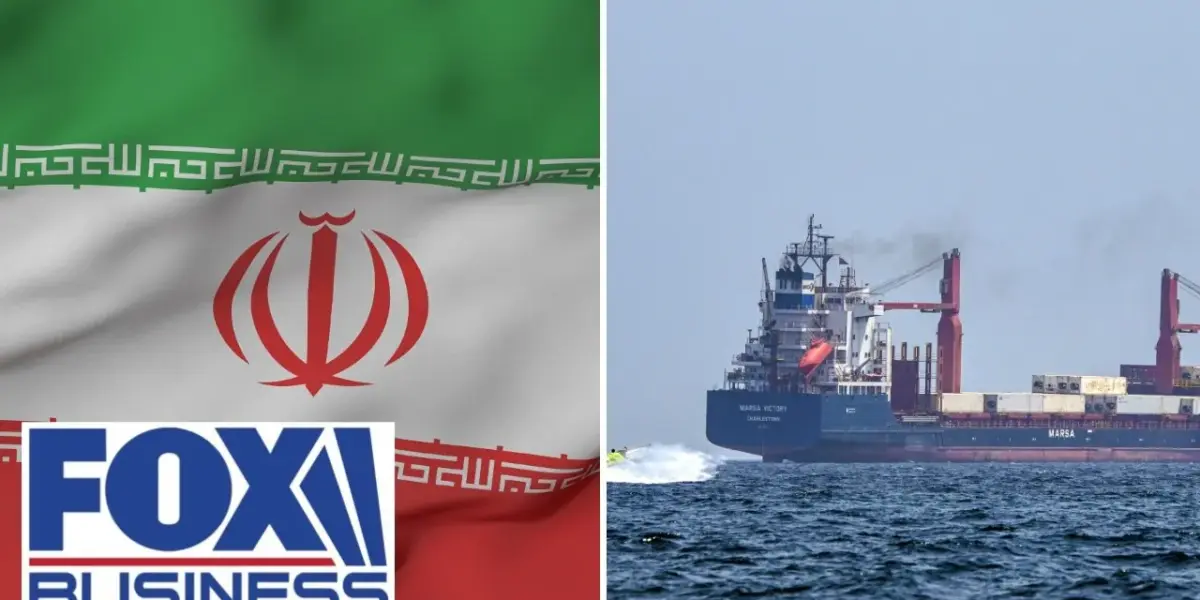
Global Markets React to Middle East Tensions
Recent geopolitical events in the Middle East, particularly concerning Iran, have sent ripples through global financial markets. The Dow Jones Industrial Average saw a significant drop of 793 points, while the S&P 500 fell by over 1.5%. Experts on Fox Business’s “Making Money” program discussed the market’s reaction, with host Charles Payne noting that despite short-term fears, the U.S. economy is performing better than many advanced economies.
U.S. Dollar and Treasuries Strengthen Amidst Global Uncertainty
Following the escalation of conflict in the Middle East, the U.S. dollar strengthened, and demand for U.S. Treasury bonds increased. This suggests that investors are seeking safe havens during times of global instability, favoring U.S. assets. Charles Payne believes that the market could trade back up to a 22-23 price-to-earnings (P/E) multiple, especially as some technology stocks, including the ‘Magnificent Seven’ (MAG 7), regain their footing.
Market Overreaction and Opportunities
Kenny Polcari, Chief Market Strategist at SlateStone Wealth, agreed that the market may have overreacted to negative headlines. He pointed out that key technical levels have been broken, triggering algorithmic selling. However, Polcari sees this as an opportunity, with solid companies now trading at lower prices. For instance, Microsoft was noted to be down nearly 30% from its peak, creating potential buying opportunities for investors.
Geopolitical Impact on Global Economy
Mohamed El-Erian, a prominent economist, cautioned that while the long-term destination for markets might be positive, the journey will likely be turbulent. He highlighted the real damage to infrastructure in the Middle East and the potential for physical shortages of oil, not just higher prices. While the U.S. benefits from energy independence, El-Erian warned of significant slowdowns in the rest of the world. He also noted the weakening of the Japanese Yen (falling over 1.60) and the rise in British yields (exceeding 5%) as indicators of global economic pressure.
“We are crossing all sorts of different points in the Middle East. Damage to infrastructure is real, and that means this war will have an impact. We’re starting to see in the global economy not just high oil prices, but physical shortages.” – Mohamed El-Erian
Strait of Hormuz and Energy Infrastructure
The discussion touched upon the potential impact of Iran’s actions on the Strait of Hormuz, a critical chokepoint for global oil supply. While some observers suggested that targeted infrastructure damage might be overstated due to the use of obsolete facilities, El-Erian pointed to Qatar, which reported that 17% of its liquefied natural gas (LNG) production is damaged for the next 3-5 years. This damage could affect global supply and pricing for years to come.
Long-Term Economic Outlook and U.S. Strengths
Despite the short-term volatility, there’s a belief that the U.S. will continue to outperform the rest of the world due to its energy independence and a dynamic private sector. Experts discussed how long-term expectations for inflation haven’t significantly shifted, and underlying economic strengths like business capital expenditure and productivity improvements are often overlooked amidst the focus on immediate geopolitical events. Deutsche Bank research suggests oil prices would need to reach $140-$150 to fully negate current market concerns, a level far from the current situation.
The Fed’s Role and Independence Concerns
The conversation also delved into the Federal Reserve’s position and the perceived challenges to its independence. Concerns were raised about Fed Chairman Jerome Powell’s public statements, particularly his frequent mentions of tariffs, which some felt were politically charged. The potential for the Fed to be paralyzed during a critical leadership transition was a significant worry. Charles Payne expressed concern that Powell’s actions could be seen as a blow to the Fed’s independence, potentially creating a perception of opposition to the President’s agenda.
Investor Strategy in Volatile Markets
For investors, the consensus was to look beyond the immediate headlines and identify opportunities created by market downturns. While Polcari and El-Erian advised against blindly buying the index, they suggested focusing on specific, undervalued companies. They believe that despite the current nervousness, there are great opportunities, particularly in the technology sector, which may soon be considered undervalued.
Market Impact
The conflict in the Middle East has triggered a risk-off sentiment in global markets, leading to a sell-off in equities and a rally in safe-haven assets like the U.S. dollar and Treasuries. The potential disruption to oil supplies via the Strait of Hormuz remains a key concern, although the U.S.’s energy independence provides some insulation. Investor focus is shifting between short-term geopolitical fears and the underlying strength of the U.S. economy and its long-term growth prospects.
What Investors Should Know
Investors should be prepared for continued market volatility as the geopolitical situation evolves. While immediate fears might drive prices down, underlying economic fundamentals and the potential for U.S. market resilience offer a more optimistic long-term view. Identifying undervalued assets, particularly in sectors hit hard by recent sell-offs, could be a prudent strategy. Additionally, understanding the Federal Reserve’s policy path and its independence is crucial for navigating interest rate expectations.
Source: ‘POINT OF NO RETURN’: Payne predicts Iran losing grip on Strait of Hormuz (YouTube)

Related Articles

Iran War Sparks Nuclear Fears: Is a Global Arms Race Brewing?
The conflict in Iran has heightened global fears of nuclear proliferation and a potential arms race. Experts warn that Iran may pursue nuclear weapons if its current deterrence fails, while historical examples show the dangers of unchecked nuclear ambitions. The world faces uncertain scenarios, ranging from renewed diplomatic efforts to a dangerous escalation of nuclear threats.
Iran’s Capabilities Destroyed, Stocks to Soar: Analyst
Geopolitical analysis suggests Iran's military capabilities are nearing destruction, paving the way for U.S. control of the Strait of Hormuz. This resolution is expected to lower oil prices and significantly boost the stock market, according to market watchers.
Markets Wobble as Geopolitics Shift Dramatically
Global markets are showing volatility as geopolitical tensions rise, with the Nasdaq nearing correction territory. Concerns over consumer spending, rising costs, and the nation's fiscal health are intensifying. Analysts debate whether current events represent short-term market noise or a fundamental "reinvention of geopolitics" with long-term implications.