Iran War Sparks Nuclear Fears: Is a Global Arms Race Brewing?
The conflict in Iran has heightened global fears of nuclear proliferation and a potential arms race. Experts warn that Iran may pursue nuclear weapons if its current deterrence fails, while historical examples show the dangers of unchecked nuclear ambitions. The world faces uncertain scenarios, ranging from renewed diplomatic efforts to a dangerous escalation of nuclear threats.

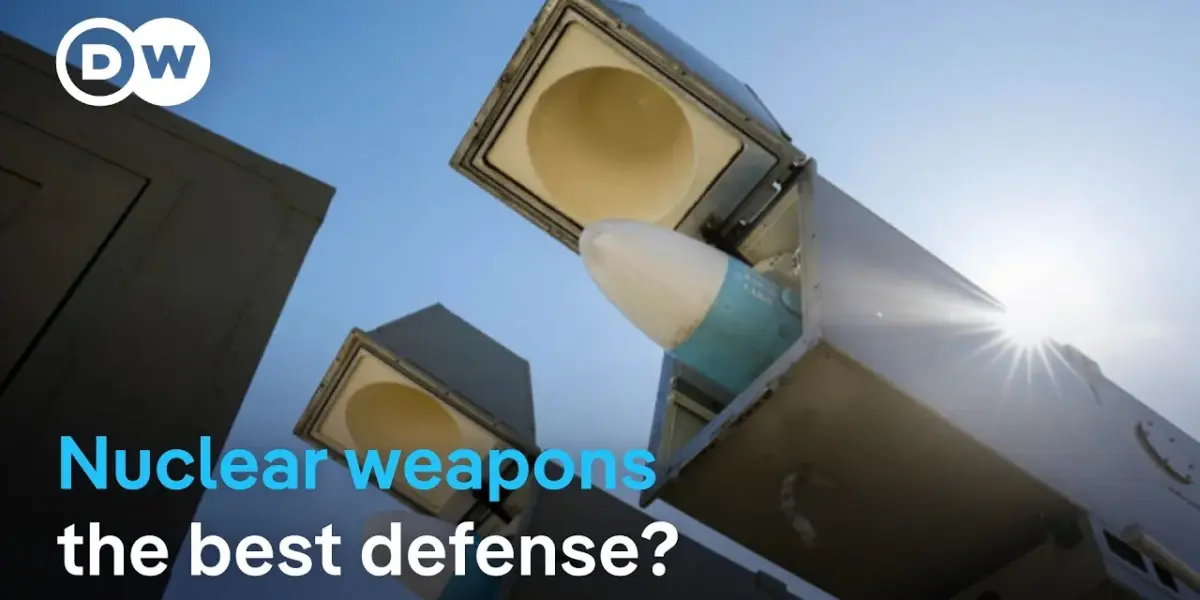
Global Nuclear Threat Looms Amidst Iran Conflict
The recent conflict involving Iran has ignited serious concerns about a global nuclear threat and the potential for a new arms race. The primary goal of military actions by the United States and Israel was to dismantle Iran’s suspected ability to develop nuclear weapons. However, the war’s outcome and its message to other nations are raising alarms among experts about the future of nuclear proliferation.
Iran’s Nuclear Ambitions: A Closer Look
Dr. Farzan Sabet, a managing researcher at the Geneva Graduate Institute, explained the complex situation surrounding Iran’s nuclear program. He stated that if Iran had decided to build a nuclear weapon, it possessed the necessary enriched uranium. However, actually constructing a device and preparing it for delivery would have taken several months, with large-scale production possibly taking up to two years.
While the recent conflict has significantly hindered Iran’s immediate breakout capability, Dr. Sabet warned that Iran could rebuild this capacity relatively quickly with the right resources and time. He believes it’s likely the Iranian regime will survive the war. Once the conflict ends, the existing methods Iran used to deter larger powers, such as its missile program, drone capabilities, and network of proxy groups, may be seen as having failed.
“I think it’s quite likely that the Islamic Republic will survive the war. And once that happens and the war is over, it’ll be clear that the existing pillars of Iran’s deterrence doctrine have failed.”
This failure could lead Iran to more seriously pursue nuclear weapons to strengthen its defenses. Dr. Sabet suggested that Iran might conclude that its deterrence failed if an adversary feels confident enough to attack without fearing consequences.
The Peril of Proliferation: Lessons from the Past
The specter of nuclear proliferation is a long-standing global concern. The Nuclear Non-Proliferation Treaty (NPT), signed in 1968, aimed to prevent the spread of nuclear weapons and technology. This treaty came after the devastating use of nuclear weapons by the United States on Hiroshima and Nagasaki in 1945, which spurred a nuclear arms race among major powers like the Soviet Union, China, the United Kingdom, and France.
Dr. Sabet highlighted historical examples that illustrate the dangers of nuclear ambitions and international interventions. Iraq was invaded in 2002 partly on the pretext of possessing nuclear weapons, which were never found. The subsequent chaos and civil war have had lasting consequences.
Libya, after giving up its nuclear program to normalize ties with the West, faced foreign intervention during the Arab Spring. This intervention led to the collapse of its regime and a prolonged civil war.
North Korea, however, stands as a counterexample. By successfully developing nuclear weapons, North Korea has established a deterrent that likely prevents large-scale military intervention, unlike the experiences of Iraq and Libya.
Shifting Alliances and Growing Nuclear Anxiety
The conflict in Ukraine and the perceived weakening of U.S. security guarantees have increased nuclear anxiety globally. European leaders are worried about Russia’s nuclear arsenal, while U.S. allies in East Asia and the Persian Gulf are questioning the reliability of American security commitments.
Countries are now more focused on assuring their own security. This includes expanding military capabilities and strengthening partnerships. More worryingly, many are reconsidering potential nuclear weapons options.
The Bulletin of Atomic Scientists has warned that this is the most dangerous moment in human history, surpassing even the Cold War. Expiring nuclear agreements contribute to this heightened risk.
A Nuclear Future: Scenarios and Uncertainties
Dr. Sabet outlined several potential future scenarios for Iran and nuclear proliferation. One possibility is that Iran, if it survives the war, might seek to build nuclear weapons to ensure its security and prevent future attacks. Alternatively, if the regime collapses into chaos, elements like the Revolutionary Guard Corps could try to build or sell nuclear technology, potentially creating a new proliferation network similar to Pakistan’s past activities.
A more hopeful scenario involves a new Iranian regime that prioritizes stability, reduces international conflict, and rebuilds its economy. Such a regime might forgo a nuclear weapons program and instead focus on peaceful nuclear energy, allowing for international inspections and transparency. This would signal peaceful intentions and potentially lead to a more sustainable status quo.
“I think all of these scenarios are potentially on the table. One hopes that it’ll be the latter. But we should be aware and keep our eyes open for for the other scenarios as well.”
However, Dr. Sabet cautioned that even the acquisition of nuclear weapons by some actors could lead to greater regional diplomacy and peace. For others, it might increase aggression and the risk of accidental nuclear incidents, especially if countries are not well-governed or lack the resources to manage nuclear capabilities safely.
What Lies Ahead
The war involving Iran has underscored the complex challenges of international security and preventing conflict. As nations grapple with shifting global dynamics and the enduring threat of nuclear weapons, the world watches closely to see which path toward security and stability will ultimately prevail. The decisions made in the coming months and years will shape the future of nuclear non-proliferation and global peace.
Source: Is the Iran war bringing us closer to a global nuclear threat? | DW News (YouTube)

Related Articles


Stocks Ignore War Risks, Focus on “Taco Moments”
Stock markets appear to be overlooking the severe supply chain risks stemming from the Iran conflict, focusing instead on potential diplomatic de-escalations. While the S&P 500 shows resilience, bond and commodity markets signal deep concern over disruptions to critical resources like LNG, helium, and fertilizers.

U.S. Iran Tensions Rise Amid Shifting Alliances
Rising tensions between the U.S. and Iran are creating a volatile geopolitical situation. With conflicting signals on de-escalation and potential shifts in alliances like NATO and U.S.-Israel relations, the path forward remains uncertain. The global economy and regional stability hang in the balance.


Iran Targets US With Cyberattacks, Escalating Digital Warfare
Iran is increasingly using cyberattacks to challenge the U.S., as seen in a recent hack of the FBI director's account. Experts say this is a strategic shift due to Iran's limitations in conventional warfare. The U.S. needs to strengthen its digital defenses, focusing on encryption and cloud computing, rather than solely relying on traditional security measures.