Russia Targets Estonia With Disinformation in Border City
Russia is reportedly conducting a disinformation campaign targeting Estonia's border city of Narva, aiming to sow discord among its Russian-speaking population. The online operation promotes separatist ideas, though residents largely dismiss the claims as fake. Estonian authorities view the campaign as a low-cost effort to undermine trust, with no concrete evidence of direct Russian government involvement.

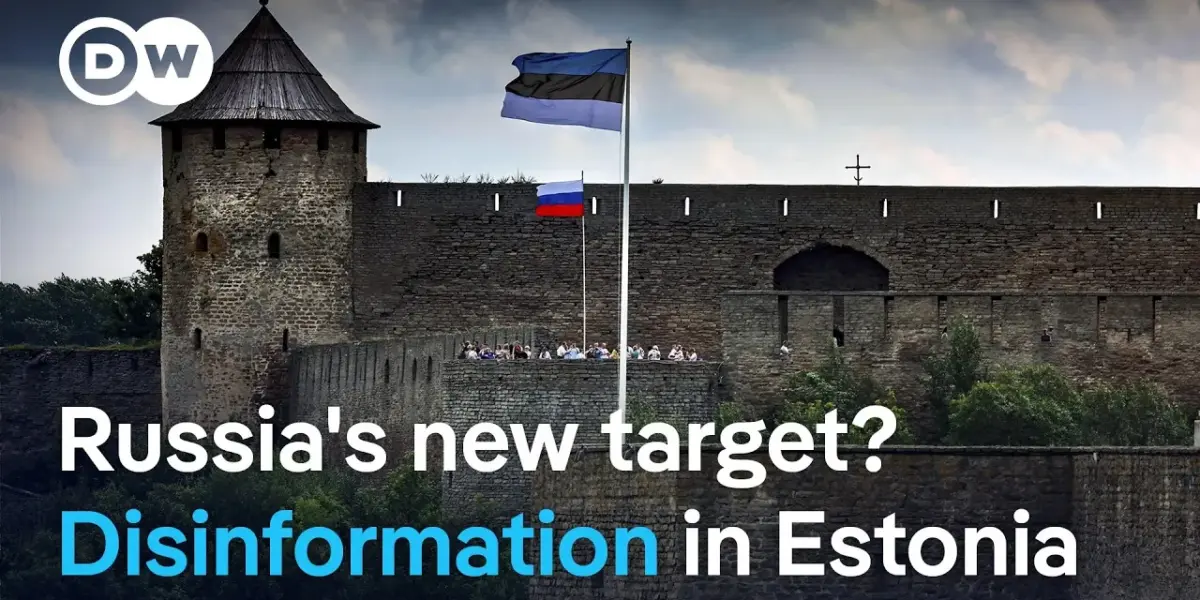
Russia Wages Disinformation Campaign in Estonia’s Narva
Estonia’s eastern border city of Narva has become the focus of a Russian disinformation campaign, according to Latvian defense officials. The operation aims to sow discord by falsely claiming Baltic states are allowing Ukraine to attack Russia from their territory. This tactic, involving social media, bots, and targeted messages to Russian speakers, seeks to undermine trust and provoke instability.
Narva: A City on the Edge
Narva, a city where over 90% of residents speak Russian daily and about a third hold Russian passports, sits directly across the Narva River from Russia’s historic Ivan Gorat fortress. The disinformation campaign, dubbed the “Narva People’s Republic,” uses social media platforms like Telegram, TikTok, and VK. It promotes separatist ideas, employing memes and symbols to portray Narva as a separate political entity. However, Estonia’s internal security service dismisses the campaign as a low-cost operation designed to create noise and distrust.
Residents Dismiss Online Claims
Despite the online activity, many Narva residents are unaware of or indifferent to the “Narva People’s Republic” campaign. Those who have heard of it largely dismiss it as fake news. “To me, it’s not serious, just a fake,” stated one resident. “I don’t believe Narva residents want to join Russia. Not for a second.” Many locals feel the stories unfairly damage their city’s image, preferring to focus on daily life and economic concerns like paying bills for heating and electricity.
Underlying Frustration and Resilience
While the disinformation campaign lacks significant local support, underlying frustration exists. The war in Ukraine has strained relations between Estonia and Russia, disrupting cross-border ties that many Narva residents miss. “The people or organizations behind the social media accounts remain unknown,” noted intelligence officials, adding there is no concrete evidence of direct Russian government involvement. Despite the uncertainty, Narva is moving forward. The sight of construction cranes on the skyline gives residents confidence that the city will overcome difficult times.
Historical Echoes and Modern Tactics
Russia has a history of projecting influence across the border. For years, large-scale Victory Day concerts on May 9th have been staged in Ivangorod, visible to Narva residents. These events feature Russian pop stars and Soviet symbols, broadcasting patriotic narratives. DW’s bureau chief, Yuri Rashettto, highlighted that while Russian media is officially banned in the Baltics, VPNs make it easy to bypass these restrictions. He noted that Narva was largely rebuilt and repopulated by Russian-speaking workers after World War II, explaining the city’s linguistic makeup.
Distinguishing Propaganda from Reality
Rashettto emphasized the difference between calls for autonomy and calls to join Russia, stating that almost no one in Narva seriously wants to separate from Estonia. “The people running these accounts seem focused on creating confusion, unsettling the public and injecting these ideas into the conversation,” he explained. This is how propaganda works: repetition can lead some to believe false narratives. Estonian authorities take such calls seriously, even with minimal local support. The mayor of Narva has expressed frustration with media coverage, feeling it amplifies the issue unnecessarily.
Narva’s Unique Position
While parallels to the early days of the Donbas conflict are superficially apparent—a Russian-speaking population and calls for independence—the situations are fundamentally different. Narva is part of Estonia, a member of the UN and NATO for over two decades. Residents have consistently elected pro-Estonian leaders. Rashettto pointed out that the economic draw is also weak, with Russia’s side of the border featuring the run-down town of Ivangorod, not major cities like Moscow or St. Petersburg.
A Quiet Front Line
Estonian authorities consider the “Narva People’s Republic” a fringe online campaign, not a genuine political movement. Life in Narva continues as usual, placing it on Europe’s geopolitical front line. The city represents a meeting point of different value systems, standing at the edge of the free world.
Source: Russia's new target? Disinformation push hits Estonia's border city Narva | DW News (YouTube)

Related Articles
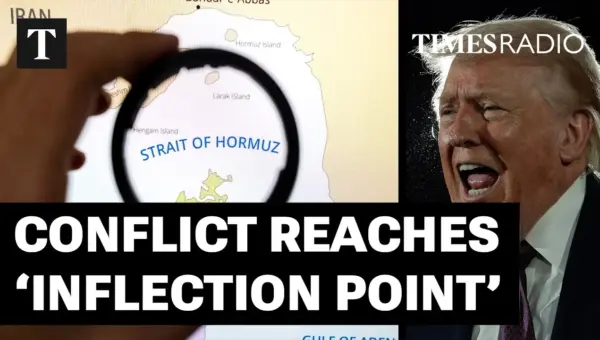
US & Iran at ‘Inflection Point’ as Global Energy Markets Threatened
Global tensions have reached a critical 'inflection point' as Iran's actions threaten energy markets and vital shipping lanes. While the US military reports progress on its objectives, diplomatic uncertainty and global economic impacts loom large. Experts discuss the challenges of reopening key waterways and the broader threat of disinformation campaigns.
Hungary Faces Crossroads: EU Ties or Russian Alignment?
Hungary is facing a crucial election that will decide its future alignment with the EU or Russia. Growing public discontent over corruption and economic issues has propelled opposition leader Péter Magyar to prominence, promising democratic reforms. The nation's choice will significantly impact its role in Europe and its internal governance.

AI News Anchors: A Threat to Truth in Reporting?
The increasing use of AI-generated news anchors raises concerns about media authenticity and public trust. While AI offers convenience, it risks sacrificing accuracy and can be exploited for propaganda, blurring the lines between real and fake reporting.