Iran Bombs U.S. Planes, Escalating Mideast Conflict
Iran has directly attacked U.S. aircraft stationed in Saudi Arabia, confirmed by satellite imagery showing significant destruction. This escalation follows other recent incidents and comes amid threats of continued conflict, with officials estimating the war could last several more weeks.


Iran Bombs U.S. Planes, Escalating Mideast Conflict
New reports confirm that Iran has attacked U.S. aircraft, marking a significant escalation in the ongoing conflict. Satellite images show the destruction of American planes at Prince Sultan Air Base in Saudi Arabia. One KC-135 tanker appears to have been completely destroyed, with another suffering damage. Fortunately, no American lives were lost in the attack, though the extent of any injuries remains unclear.
This incident follows other recent events, including reports of F-15s being shot down, an F-35 being damaged, and an F-18 narrowly avoiding a missile strike. A separate, tragic accident involving a tanker plane has also been reported.
Adding to the tension, disturbing footage has emerged showing an ambush within Iran. This video, reportedly filmed by Iranian-backed militias, depicts anti-regime forces attacking Iranian security forces. The graphic content shows intense gunfire directed at a truck carrying Iranian Revolutionary Guard Corps (IRGC) personnel.
Meanwhile, Israel continues to face attacks from Iran and Hezbollah. Video shows Israeli air defense systems intercepting rockets fired into the country. The conflict shows no signs of immediate resolution.
War Expected to Continue for Weeks
U.S. officials, including Secretary of State Marco Rubio, believe the conflict could last another two to four weeks. The U.S. remains committed to achieving its objectives in the region. This outlook comes as thousands of U.S. troops are being deployed to the area.
A key point of contention is the Strait of Hormuz, a vital shipping lane. Iran has reportedly demanded complete control of the strait, including the ability to charge tolls, as part of any ceasefire agreement. U.S. officials, like Secretary Rubio, have made it clear that such a demand is unacceptable and will not be allowed.
Infrastructure Targeted, Retaliation Threatened
The conflict has also involved attacks on critical infrastructure. Reports indicate that Israel, with reported coordination from the U.S., has struck two of Iran’s largest steel factories and a power plant. These strikes are significant because steel is crucial for building military equipment and rebuilding infrastructure.
In response to these attacks, Iran’s Foreign Minister has stated that Iran will exact a heavy price. Iran has also released a list of potential targets across the Middle East for retaliation. The destruction of the steel plants has been visually confirmed through images showing massive fires and damage.
Why This Matters
The confirmed bombing of U.S. planes by Iran is a direct and serious escalation. It moves the conflict from a regional proxy struggle to a more direct confrontation, raising the stakes significantly for all parties involved.
The disturbing ambush footage highlights internal dissent and conflict within Iran, suggesting that the regime faces challenges not only from external adversaries but also from its own population. This internal instability could further complicate regional dynamics.
Implications and Future Outlook
The expectation of a prolonged conflict, potentially lasting several more weeks, means continued military operations and potential for further escalation. The deployment of additional U.S. troops indicates a commitment to maintaining a strong presence and pursuing stated objectives.
The dispute over the Strait of Hormuz is a critical issue. Control of this waterway has immense global economic and strategic importance. Any attempt by Iran to control or toll the strait would have far-reaching consequences for international trade and security, likely drawing a strong response from the U.S. and its allies.
Iran’s threat of retaliation against critical infrastructure in the region, following Israeli strikes, suggests a dangerous tit-for-tat cycle is underway. This could lead to wider regional instability, impacting not only the immediate combatants but also global energy markets and international shipping.
Historical Context
Tensions between Iran and the United States have a long history, dating back to the Iranian Revolution in 1979. The region has been a flashpoint for decades, with various proxy conflicts and diplomatic standoffs. The Strait of Hormuz has historically been a strategic chokepoint, and its security has been a major concern for global powers.
The current conflict appears to be a continuation and intensification of long-standing geopolitical rivalries. The involvement of groups like Hezbollah and the targeting of infrastructure reflect a complex web of alliances and enmities that have characterized the Middle East for years.
As the situation continues to heat up, the world watches closely, hoping for de-escalation while preparing for the possibility of a wider and more protracted conflict. The confirmed loss of U.S. aircraft and Iran’s threats of retaliation signal a dangerous new phase in this volatile region.
Source: BREAKING: Iran BOMBS U.S. Planes – Insane AMBUSH Unfolds (YouTube)

Related Articles


Saudi Prince Pushes Trump Toward Iran War Escalation
Saudi Crown Prince Mohammed bin Salman is reportedly urging President Trump to escalate attacks on Iran, pushing for strikes on its energy infrastructure. This strategy would likely harm ordinary Iranians while benefiting Saudi economic interests and the U.S. military-industrial complex. The situation highlights concerns over foreign influence on U.S. foreign policy and the human cost of conflict.

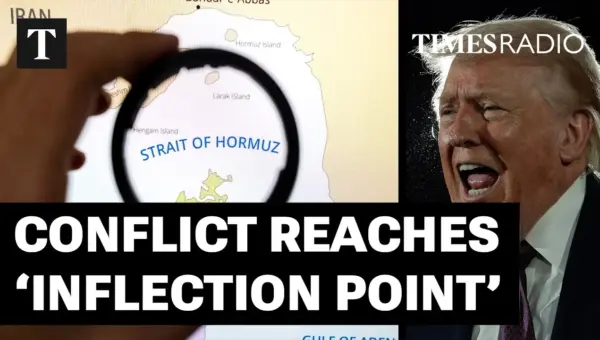
US & Iran at ‘Inflection Point’ as Global Energy Markets Threatened
Global tensions have reached a critical 'inflection point' as Iran's actions threaten energy markets and vital shipping lanes. While the US military reports progress on its objectives, diplomatic uncertainty and global economic impacts loom large. Experts discuss the challenges of reopening key waterways and the broader threat of disinformation campaigns.
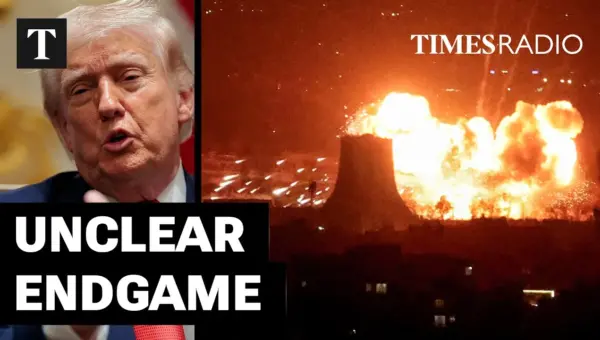
US Military Aims Achievable, Iran Political Future ‘Fuzzy,’ Says Ex-Advisor
Former Trump advisor Joel Rayburn stated that while US military objectives in Iran are achievable, the political outcome remains uncertain. Rayburn noted that Iran's regime is under immense pressure and could be nearing collapse. The potential closure of the Strait of Hormuz remains a key concern, with military assets being deployed to ensure its openness.