Markets Wobble as Geopolitics Shift Dramatically
Global markets are showing volatility as geopolitical tensions rise, with the Nasdaq nearing correction territory. Concerns over consumer spending, rising costs, and the nation's fiscal health are intensifying. Analysts debate whether current events represent short-term market noise or a fundamental "reinvention of geopolitics" with long-term implications.

Markets Face Uncertainty Amid Shifting Geopolitical Landscape
Global equity markets are showing signs of strain as geopolitical tensions escalate, with the Nasdaq index dipping by approximately 1.5% and broader indices down about 1% in recent trading. The Nasdaq 100, comprised of the largest technology companies, is nearing correction territory, a situation where prices fall 10% or more from their recent highs. This market volatility underscores the complex relationship between international events and investor sentiment.
Iran Negotiations and Middle East Actions
The current market unease is partly fueled by developments in the Middle East. A new 10-day window for Iranian peace negotiations has been announced, though some analysts suggest it could be more of a final ultimatum. The urgency behind these actions is highlighted by the speed of progress, with operations reportedly ahead of schedule in terms of mission objectives. However, the situation remains tense, with some observers questioning if this is a calm before a storm.
Consumer Spending and Inflation Concerns
A key question for the market is the consumer’s willingness to spend, especially as costs rise. Sentiment surveys indicate some weakness, but actual consumer spending remains a critical factor. The rising cost of goods is a significant concern, impacting household budgets. Experts suggest that clearer and more transparent communication from the government about these challenges could help the public understand the situation better. The worry is that prolonged conflict or instability could lead to higher costs across the board.
Energy Shocks and Future Economic Outlook
The global economy has already experienced an energy shock, and some analysts fear a potential rate shock and, subsequently, a growth shock. If the current geopolitical situation does not resolve quickly, further economic disruptions are expected. The sentiment around supporting certain global agendas, like the green agenda, has been met with skepticism by some, who feel forced to pay for initiatives they don’t fully believe in. This contrasts with the current situation, which some see as a necessary fight with a long-term vision.
Long-Term Vision vs. Short-Term Pain
For individuals like those relying on retirement funds, market downturns can be particularly painful. A 6% loss in a 401(k), for example, can significantly impact those needing access to their money. High gas prices, around $4 per gallon, are also cited as a major concern for both businesses and families, representing significant “kitchen table issues.” These immediate concerns can heavily influence how people vote, particularly heading into midterm elections.
Geopolitics as a Generational Game
Some analysts view the current geopolitical events not as short-term market fluctuations but as part of a generational game focused on the reinvention of geopolitics. The argument is that defending national interests, even at a fiscal cost, is crucial for long-term prosperity and security. This perspective suggests that while the nation may be fiscally “profligate” (spending too much money), failing to act on core values and interests could lead to a decline, akin to becoming more like Europe, which is seen as having given up on national security defense.
US Fiscal Health and Unfunded Liabilities
A significant concern raised is the United States’ fiscal health. The nation reportedly has over $6 trillion in total assets against $48 trillion in liabilities. This figure does not include unfunded liabilities from Social Security and Medicare, which could add over $88 trillion. This substantial debt raises questions about the nation’s ability to handle large, unforeseen costs or prolonged economic problems without further borrowing.
Market Impact and Investor Considerations
The ongoing geopolitical shifts and economic uncertainties create a volatile environment for investors. While the Nasdaq and other indices are experiencing downward pressure, the long-term implications are still unfolding. Investors are weighing the immediate impact of rising costs and market dips against the broader geopolitical strategy and its potential future dividends. The key is to understand whether current market movements are temporary reactions or part of a larger, more permanent shift in the global economic and political order. The focus on “kitchen table issues” versus long-term strategic goals will likely continue to be a point of discussion for both consumers and policymakers.
Source: 'PAYS DIVIDENDS': We're talking about a 'reinvention of geopolitics,' Brenberg says (YouTube)

Related Articles

Pope Leo XIV Shifts Vatican’s Global Focus
Pope Leo XIV, the first American pope, brings a unique multicultural background and extensive missionary experience to the Vatican. His election signals a potential shift in the Church's global focus, with an emphasis on peace and contemporary issues like artificial intelligence.

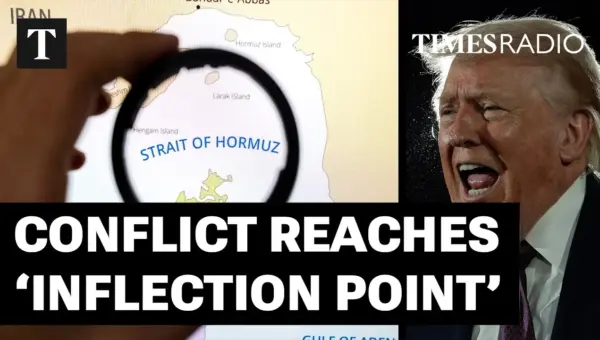
US & Iran at ‘Inflection Point’ as Global Energy Markets Threatened
Global tensions have reached a critical 'inflection point' as Iran's actions threaten energy markets and vital shipping lanes. While the US military reports progress on its objectives, diplomatic uncertainty and global economic impacts loom large. Experts discuss the challenges of reopening key waterways and the broader threat of disinformation campaigns.

Ukraine Strikes Cripple Russian Oil Exports
Ukrainian drone strikes are crippling Russia's oil exports and damaging its economy, leading to falling domestic support for President Putin. The targeted attacks on refineries and terminals aim to cut off war funding and have significant geopolitical consequences.