US & Iran at ‘Inflection Point’ as Global Energy Markets Threatened
Global tensions have reached a critical 'inflection point' as Iran's actions threaten energy markets and vital shipping lanes. While the US military reports progress on its objectives, diplomatic uncertainty and global economic impacts loom large. Experts discuss the challenges of reopening key waterways and the broader threat of disinformation campaigns.

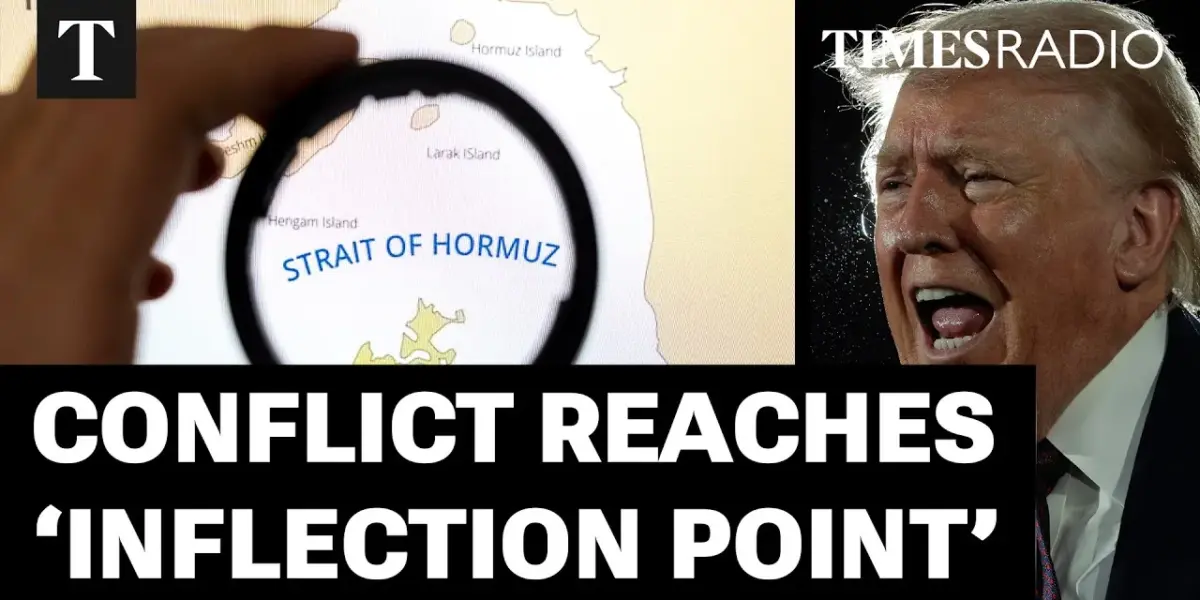
Global Tensions Flare: US and Iran at Critical Juncture
The United States and Iran are currently at a crucial turning point, facing a significant crisis that threatens global energy markets. Iran’s actions, including attacks on civilian infrastructure and assertions of control over vital shipping lanes, have escalated tensions to a point where forceful action may be considered alongside diplomatic efforts.
US Military Objectives and Diplomatic Uncertainty
U.S. Secretary of State Marco Rubio stated during G7 meetings in France that the military’s objectives are clear and achievable without deploying ground troops. These goals include destroying Iran’s missile and drone factories, its navy, air force, and missile launchers. “We are ahead of schedule on most of them and we can achieve them without any ground troops,” Rubio asserted. He also noted significant cooperation and appreciation from allies, including the UK, regarding the U.S. operation.
However, Dame Emily Thornbury, chair of the Foreign Affairs Select Committee, expressed skepticism about the clarity and consistency of U.S. war aims. “It depends who you listen to. It depends what mood Donald Trump is in,” she commented, highlighting the difficulty governments face in understanding the evolving situation. This perceived lack of clear strategy has led to international “whiplash,” as nations struggle to keep up with shifting U.S. positions.
UK’s Stance Amidst U.S. Pressure
Dame Emily also addressed the pressure the U.S. administration, particularly President Trump, has placed on the UK. She praised Prime Minister Sakir Starama for not reacting to criticisms, describing them as attempts to bully. “He says the most ridiculous things and he gets no response, so he ramps it up a bit more,” she observed, suggesting that ignoring the provocations is the right approach.
The U.S. Secretary of Defense’s statement that London is within range of Iranian ballistic missiles was seen as a clear attempt to draw the UK into the conflict. Dame Emily emphasized the relief that the UK did not agree to join the initial military action, avoiding involvement in a war with unclear aims, legality, or end goals.
Global Economic Impact and Contingency Planning
The crisis is having a tangible effect on global economies, with reports of diesel and petrol shortages worldwide. Dame Emily stressed the need for contingency planning, noting that while not as severely affected as Lebanon or Iran, countries like the UK are feeling the economic strain. “Prices are going up everywhere,” she stated, particularly highlighting difficulties in the Far East where gas shortages impact daily life.
She urged allies to collectively pressure the U.S. to find a resolution. “You have to find a way of stopping this now. This has to stop. We can’t continue like this,” Dame Emily insisted. The discussion also touched upon the UK government’s approach to rising energy costs, with a focus on helping the most vulnerable.
Broader Geopolitical Threats: Russia, China, and Disinformation
Shifting to another critical geopolitical issue, the article briefly touched upon fears of a U.S. deal with Russia regarding Ukraine. Dame Emily underscored the importance of supporting Ukraine, calling Russia’s invasion an illegal act. She warned that if Russia succeeds, it will not stop there, posing a threat to other nations.
A significant concern raised was the spread of disinformation by Russia, Iran, and China, aimed at undermining democracies. Dame Emily described Western nations as “sitting ducks” and too complacent. She highlighted a report by the Foreign Affairs Committee detailing coordinated efforts to destabilize democracies, noting patterns of behavior emerging even within the UK. The current government structure, with seven departments responsible for disinformation, was deemed insufficient, calling for a unified response before it’s too late.
Military Perspective: An ‘Inflection Point’ for Maritime Security
Vice Admiral Kevin Donigan, former commander of U.S. Maritime Forces in the Middle East, offered a military perspective, agreeing that the situation is at an “inflection point.” He explained that while military objectives like degrading missile capabilities are being met, Iran’s strategy has shifted to targeting global energy markets and controlling the Strait of Hormuz.
“Iran is playing the only card they have, which is try to devastate the global energy markets with their attacks on civilian infrastructure and at the same time say we control the straits,” Donigan stated. He differentiated between the military’s objectives and political aims, clarifying that regime change was never a military goal.
Reopening the Strait of Hormuz: Diplomacy vs. Force
Regarding the potential reopening of the Strait of Hormuz, Donigan outlined two paths: diplomatic negotiations or forceful action. He emphasized that this situation should be a global effort, with nations united against Iran’s actions, which he described as an “attack on rules-based order.”
However, reopening the strait is not a quick process. “It’s not doable in days. It’s not an on-off switch,” Donigan explained. If military action is required, it would likely involve convoys, gradual increases in flow, and ongoing efforts to neutralize Iranian threats. He noted that Iran’s geography aids its ability to conduct disruptive actions like planting mines or launching missiles.
Source: Iran Crisis: The US and Iran Are At An ‘Inflection Point’ | Kevin M. Donegan (YouTube)

Related Articles

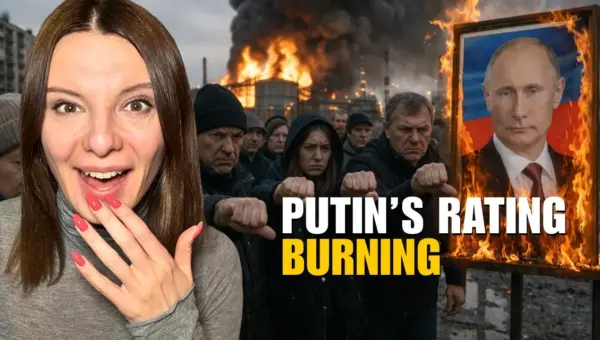
Ukraine Strikes Cripple Russian Oil Exports
Ukrainian drone strikes are crippling Russia's oil exports and damaging its economy, leading to falling domestic support for President Putin. The targeted attacks on refineries and terminals aim to cut off war funding and have significant geopolitical consequences.
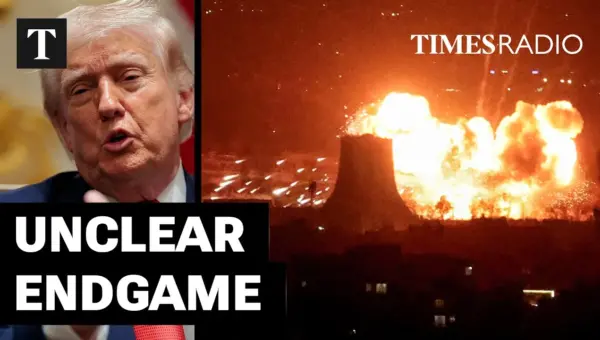
US Military Aims Achievable, Iran Political Future ‘Fuzzy,’ Says Ex-Advisor
Former Trump advisor Joel Rayburn stated that while US military objectives in Iran are achievable, the political outcome remains uncertain. Rayburn noted that Iran's regime is under immense pressure and could be nearing collapse. The potential closure of the Strait of Hormuz remains a key concern, with military assets being deployed to ensure its openness.


Trump’s Iran Gambit: Can He Claim Victory in a Full Retreat?
Could President Trump claim a victory by withdrawing U.S. forces from Iran? This analysis explores how a retreat could be framed as a success, focusing on weakened Iranian capabilities and broader regional shifts. The core issue remains Iran's financing of proxy groups, a challenge that persists regardless of U.S. presence.