Ukraine Strikes Cripple Russian Oil Exports
Ukrainian drone strikes are crippling Russia's oil exports and damaging its economy, leading to falling domestic support for President Putin. The targeted attacks on refineries and terminals aim to cut off war funding and have significant geopolitical consequences.

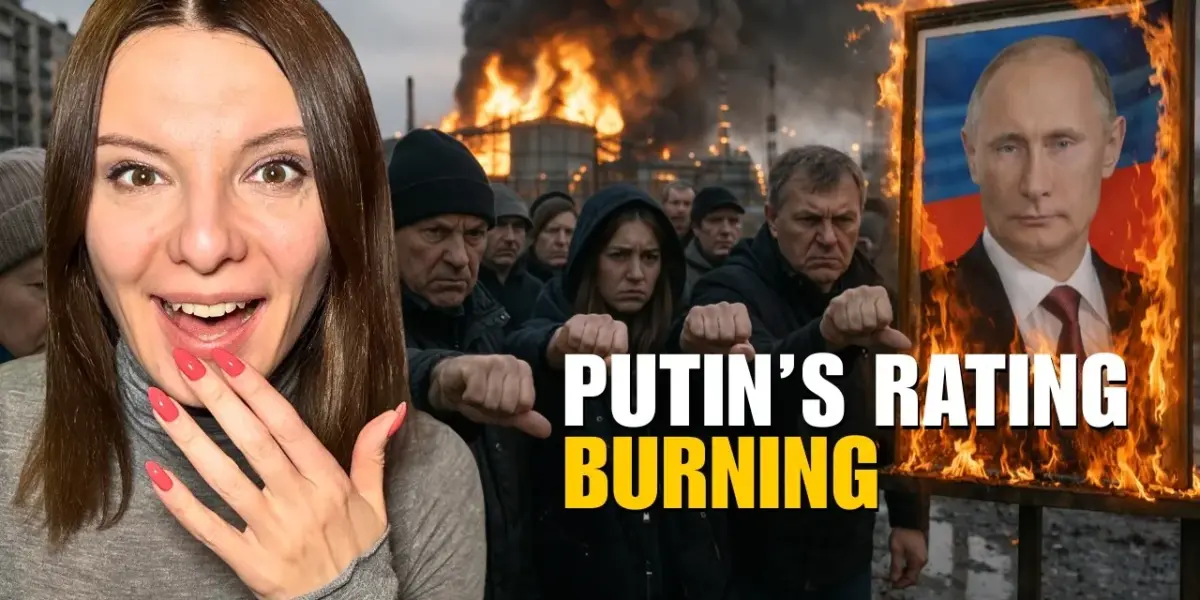
Ukraine’s Drone Strikes Cripple Russian Oil Exports, Impacting Global Markets
Kyiv’s strategic targeting of Russian oil refineries and export terminals is severely disrupting Moscow’s energy revenue. These attacks, described as a “genius strategy,” aim to deny Russia critical funds needed to finance its ongoing war in Ukraine. The operations have led to widespread damage, halting production and export capabilities, and are now impacting President Putin’s domestic support.
Falling Domestic Support for Putin
Recent polling data within Russia indicates a significant drop in public support for President Putin. This decline mirrors levels seen in March 2022, following the initial shock of the failed “Blitz Creek” invasion attempt. While Russia traditionally manipulates economic and military figures, independent numbers show a concerning trend for the Kremlin. The war’s economic toll, including widespread business losses and conflict spreading into Russian regions, is a primary driver. This economic pressure, coupled with potential internet shutdowns and salary delays, is eroding public confidence. Many Russians, it appears, no longer wish to share the consequences of the war or Putin’s responsibility.
Economic Warfare: Targeting Oil Infrastructure
Ukraine’s drone campaign has evolved into a sophisticated economic warfare strategy. By targeting Russia’s oil and gas infrastructure, Kyiv aims to cut off a vital revenue stream for Moscow. This includes strikes on major export terminals like Primorsk and Ust-Luga, which have reportedly been burning for extended periods and are now inoperable. The destruction of these facilities prevents Russia from capitalizing on recent global oil price increases, a move that could have significantly bolstered the Kremlin’s budget. Ukraine’s objective is to prevent Russia from earning billions that could fund further military aggression against Ukraine and threaten other nations.
Strategic Impact on Russian Production and Exports
The attacks on oil refineries, such as the one in Kirishi, have halted production at numerous facilities. This not only reduces Russia’s overall oil output but also creates shortages of refined products crucial for the Russian military’s operations. The targeting of export terminals is particularly significant. These facilities serve as the primary gateways for Russia’s energy products to reach international markets. With these terminals damaged or destroyed, Russia faces immense difficulty in exporting its oil, even if production were to continue. This situation could force a drastic decision to halt oil production entirely, a move that could take decades to recover from, potentially setting back Russia’s energy sector to levels seen in 2025 or earlier.
Geopolitical Ramifications of Disrupted Exports
The disruption of Russian oil exports has far-reaching geopolitical implications. By limiting Russia’s export capacity, Ukraine aims to hinder Moscow’s ability to finance other state activities, such as supporting nations like Iran and North Korea. This also impacts Russia’s capacity to produce and supply missiles to countries that might threaten democratic nations. The strategy is seen as a way to isolate Russia economically and militarily, preventing it from projecting power globally. Ukraine’s actions are framed as a crucial element in achieving a lasting peace by weakening Russia’s military and economic capabilities.
The “Spider Web” Strategy
This multi-pronged approach to disrupting Russia’s energy sector is being likened to a “spider web operation.” By striking both production facilities and crucial export infrastructure, Ukraine is creating a complex web of challenges for Russia. The damage to terminals on the Baltic Sea, for instance, makes it physically impossible for Russia to export its oil, regardless of external support. This strategy is considered irreversible, as the destruction of key infrastructure takes significant time and resources to repair. Ukraine emphasizes that this decisive action and strategic thinking warrant international support, positioning itself as a key player in global security decisions.
Historical Context and Future Outlook
The current economic warfare echoes historical strategies employed during periods of conflict, where disrupting an adversary’s economic lifelines is a key objective. The long-term consequences for Russia’s oil industry could be severe, potentially leading to a prolonged period of economic stagnation. Ukraine’s continued success in targeting critical infrastructure demonstrates a strategic evolution in its defense capabilities. The narrative presented is that defeating and demilitarizing Russia is the only viable path to peace, a strategy that is gaining increasing understanding among international partners.
“The destruction of Russia’s oil and gas industry is strategically very effective. Dozens of their oil refineries were visited by Ukrainian drones. Many of them halted the production and now do not operate.”
Source: PUTIN’S SUPPORT DOWN: BURNED REFINERIES, NO INTERNET, DEFEATS Vlog 1361: War in Ukraine (YouTube)

Related Articles


Trump’s Iran Gambit: Can He Claim Victory in a Full Retreat?
Could President Trump claim a victory by withdrawing U.S. forces from Iran? This analysis explores how a retreat could be framed as a success, focusing on weakened Iranian capabilities and broader regional shifts. The core issue remains Iran's financing of proxy groups, a challenge that persists regardless of U.S. presence.


US Energy Chief’s ‘Alien’ Secret Shakes Global Trust
A former US Secretary of Energy allegedly confessed to classified briefings about extraterrestrial life, causing him immense distress. This revelation, if true, could profoundly impact global trust in government and reshape our understanding of reality.


General Blasts “Comic Book Tough Guy” Over Officer Promotions
A four-star general has criticized Pentagon leadership, calling it a "comic book tough guy" over the alleged blocking of promotions for two Black and two female officers. This controversial move raises concerns about discrimination and its impact on military morale during a critical geopolitical period.