Fisker Ocean: A Second Life For A Flawed Electric Gem?
Once a symbol of electric vehicle ambition, the Fisker Ocean now finds a second life thanks to its dedicated owners. After the company's bankruptcy, the Fisker Owners Association has stepped in to provide parts, service, and software updates, transforming the flawed EV into a community-supported marvel. This has created a unique, albeit niche, bargain for adventurous buyers.

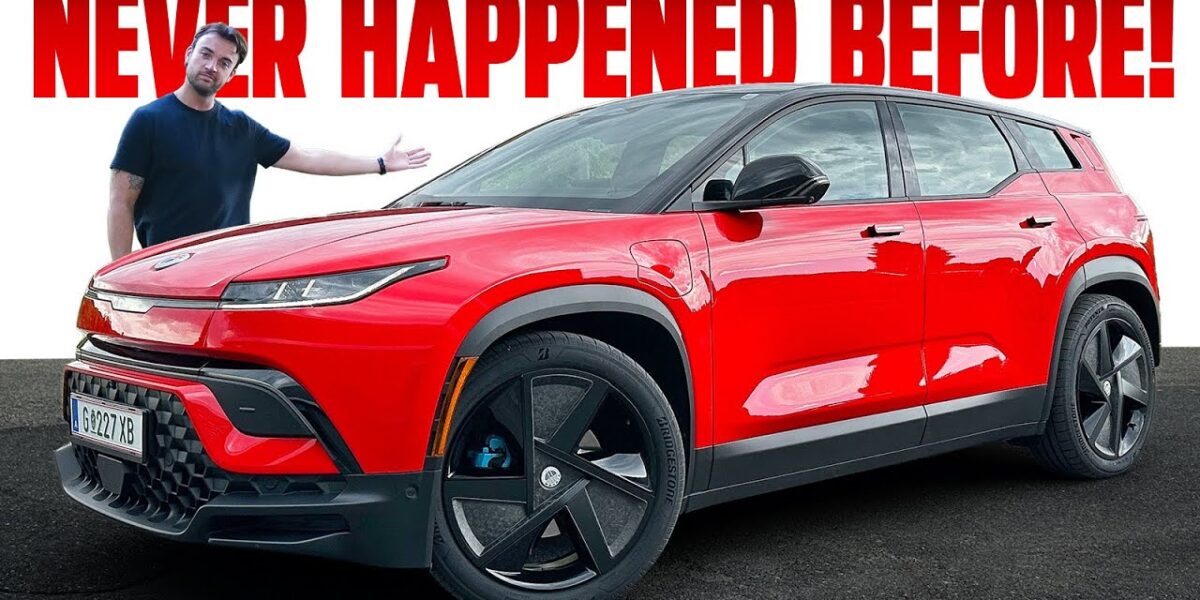
Fisker Ocean: A Second Life For A Flawed Electric Gem?
The automotive world is no stranger to tales of ambition, innovation, and unfortunately, spectacular failure. The story of Fisker Automotive, and its second iteration, Fisker Inc., is a prime example. Once heralded as a disruptor poised to challenge the likes of Tesla with its stylish and sustainable electric vehicles, Fisker has now collapsed into bankruptcy. Yet, amidst the wreckage, an extraordinary narrative is unfolding: the owners of the Fisker Ocean are taking matters into their own hands, effectively becoming the de facto manufacturer, service provider, and software developer for their vehicles. This dramatic turn of events has transformed the Fisker Ocean from a cautionary tale into a fascinating case study of community-driven automotive survival, potentially offering a unique bargain for the right buyer.
The Rise and Fall of Fisker
To understand the current predicament of Fisker Ocean owners, a brief history is necessary. The original Fisker Automotive, founded in 2007, aimed to create a premium, range-extended electric vehicle with the Karma. It garnered significant attention and celebrity endorsements, but production issues, financial woes, and a recall for fire-risk concerns ultimately led to its bankruptcy in 2013.
Undeterred, Henrik Fisker launched Fisker Inc. in 2019, with the Ocean SUV as its flagship. Promising a hyper-sustainable, beautifully designed EV, the company secured substantial funding and a manufacturing agreement with Magna. However, the Ocean’s journey from concept to production was plagued by delays and a host of issues. Deliveries began in late 2023, but early owners reported persistent software glitches, ranging from connectivity problems to critical power loss and faulty regenerative braking. Hardware issues, including defective door handles and water pumps, further compounded the problems. By early 2024, with production numbers far below expectations and significant financial losses, Fisker Inc. filed for bankruptcy, leaving thousands of owners in limbo.
The Owner’s Uprising: Fisker Ocean Owners Association
In the wake of Fisker’s collapse, a remarkable grassroots movement emerged. The Fisker Owners Association (FOA), initially formed to advocate for owners’ rights during the bankruptcy proceedings, has evolved into a fully-fledged operational entity. What began as a plea for owners’ voices to be heard has transformed into a comprehensive support system that mirrors a traditional automotive manufacturer.
The FOA, operating as a non-profit, has established subsidiaries like ‘Tsunami’ in the US and ‘Tidal Wave’ in Europe. These entities are actively working with original equipment manufacturers (OEMs) and new suppliers to secure and even improve upon replacement parts. For instance, they’ve developed a ‘Generation 2’ door handle that not only fixes the original degradation issue but incorporates several other improvements. Beyond parts, the FOA is tackling the critical software aspect. They have developed their own mobile app, offering enhanced features like digital key functionality, and are working on community-developed software updates for the vehicle itself. A significant upcoming development is the integration of Apple CarPlay and Android Auto, addressing a major limitation of the original infotainment system, which is being upgraded with a hardware accessory that provides an Android interface and allows for app installation.
This proactive approach ensures that the Fisker Ocean, despite its manufacturer’s demise, has a viable future. Owners can now access service centers equipped with diagnostic tools, receive recall work, and benefit from ongoing software development – all orchestrated by the owner community itself.
Performance and Specifications
When new, the Fisker Ocean offered a compelling proposition, particularly in its higher trims. The ‘Extreme’ model, for example, boasted impressive specifications:
- Horsepower: Approximately 564 hp
- Torque: Around 523 lb-ft
- 0-60 mph: As quick as 3.7 seconds (Extreme trim)
- Range: Up to an estimated 360 miles (WLTP) on the Extreme trim
The Ocean also offered a range of battery options, catering to different needs and budgets. The entry-level models provided a decent range comparable to vehicles like the Volkswagen ID.4, while the top-tier versions rivaled luxury SUVs for long-distance capability and towing capacity. The vehicle’s design, a particular focus for Henrik Fisker, was undeniably its strongest suit, featuring a distinctive and muscular aesthetic, a large glass roof with integrated solar panels, and a spacious interior. The ‘California Mode,’ which lowers all windows and the roof, was a popular feature, especially for pet owners.
Interior and Sustainability
The interior of the Fisker Ocean was designed with a focus on sustainability and a minimalist aesthetic. It featured a large central touchscreen that controlled most vehicle functions and offered a variety of material options, many of which were derived from recycled or plant-based sources. Fisker claimed the Ocean was 20% greener in its production than a Polestar 2, which was a significant statement at the time. The spaciousness, particularly in the rear, was a highlight, making it a practical choice for families.
Value Proposition: A Bargain for the Brave?
The most striking aspect of the Fisker Ocean’s current market position is its dramatic depreciation. Following Fisker’s bankruptcy and the subsequent heavy discounting, the value of these vehicles plummeted, with some examples now available for as little as a third of their original price. A car that once cost upwards of £66,000 (approximately $80,000 USD) can now be found for around £17,000-£20,000 ($20,000-$25,000 USD).
This makes the Fisker Ocean an incredibly tempting proposition for buyers seeking a stylish, well-equipped electric SUV at a fraction of its launch cost. However, this bargain comes with a significant caveat: the buyer must be willing to embrace the community-driven support model. As the FOA advises, prospective owners need to be engaged, willing to participate in forums, and comfortable with sourcing parts and software through third-party channels. It is not a car for those who expect seamless, dealership-centric after-sales service. The FOA offers a guide for potential buyers, emphasizing that cars can be restored to full working order by their network of service providers, including all necessary software updates and recall work. But the expectation must be set: this is a community-supported vehicle, and the owner’s involvement is key to its long-term viability.
Verdict
The Fisker Ocean’s journey is a dramatic illustration of how good design and ambitious vision can be undermined by poor execution and financial mismanagement. While the company itself has failed, the spirit of innovation and the dedication of its owners have breathed new life into the vehicle. The Fisker Ocean is no longer just a car; it’s a testament to what a passionate community can achieve. For the technically inclined, the value-conscious, and the adventurous EV enthusiast, the Fisker Ocean represents an unparalleled opportunity. It’s a chance to own a uniquely designed, capable electric SUV that, thanks to the tireless efforts of the Fisker Owners Association, is not only surviving but evolving. It may not be for everyone, but for those willing to put in the effort, the reward is a compelling and surprisingly well-supported electric vehicle at an astonishing price.
Source: Fisker Failed. Now Owners Are Finishing The Car Themselves. (YouTube)

Related Articles


Chinese Brands Storm UK Market, Shaking Up Auto Industry
Chinese EV manufacturers like BYD and Chery Group are rapidly taking market share in the UK, outperforming established brands and challenging traditional perceptions. Their aggressive marketing and competitive products are reshaping the automotive landscape.


Virgin Galactic Stock Plummets 99% Amid Bankruptcy Fears
Virgin Galactic's stock has plummeted by nearly 99% since 2019, pushing the space tourism company towards potential bankruptcy. Despite raising ticket prices to $750,000, the company faces significant financial hurdles, including massive operating losses and a struggling new spacecraft development timeline.


Porsche 911: The Unloved 996 vs. The Beloved 997
We compare the much-maligned Porsche 996 against its beloved successor, the 997. Discover why these two generations, separated by just two years, command vastly different prices and which one offers the better value for driving enthusiasts.