Lebanon Crisis Deepens: 1.2 Million Displaced Amidst Conflict
Lebanon is facing a severe humanitarian, political, and sectarian crisis, with 1.2 million citizens displaced due to escalating conflict. Israel's advance into southern Lebanon aims to create a buffer zone, leading to widespread destruction and displacement. Rising sectarian tensions echo the country's past civil war, while mixed signals cloud US-Iran diplomacy.

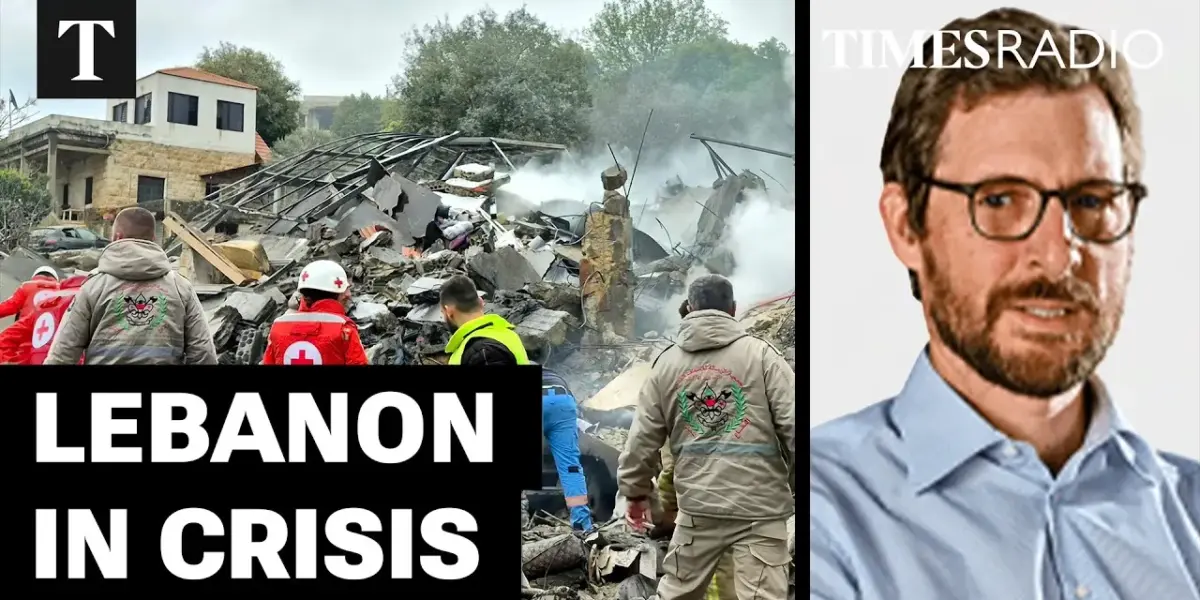
Lebanon Faces Humanitarian, Political, and Sectarian Crisis
Beirut is witnessing a deepening crisis as conflict escalates, displacing an estimated 1.2 million Lebanese citizens. The ongoing military actions by Israel in southern Lebanon have created a dire humanitarian situation, with significant political and sectarian ramifications. Humanitarian aid groups are increasingly describing the situation as a major crisis, highlighting the immense suffering and displacement of the population.
Israel’s Advance and Hezbollah’s Resistance
Israeli forces are steadily advancing into southern Lebanon, aiming to establish a buffer zone along the Leatani River, approximately 20 miles north of the Lebanese-Israeli border. This advance is intended to prevent Hezbollah from launching rocket attacks into northern Israel. Israeli tanks and troops are pushing northward, encountering resistance from Hezbollah fighters. Hezbollah has begun employing suicide drones, similar to those seen in Ukraine, to attack Israeli Merkava tanks. This tactic suggests a determined effort by Hezbollah to slow the Israeli advance.
A Gaza-Like Scenario in Lebanon?
Concerns are rising that a situation similar to Gaza could unfold in Lebanon. Israeli officials suggest that areas near the border could be razed if they are deemed to be used as hideouts by Hezbollah. The broader security zone up to the Leatani River could see widespread destruction. Crucially, Israel has stated that the 1.2 million displaced Lebanese will not be allowed to return to their homes until Hezbollah is disarmed. Israel asserts that the Lebanese government failed to disarm the group, and Israel is now taking action to do so.
Humanitarian Catastrophe and Displacement
The conflict has led to a massive displacement of people. UNICEF reports that over 370,000 children are among the displaced. In Beirut, displaced families are visible on the streets, with tents set up along the seafront. Many schools, now closed, are being used to house these families, creating a chaotic and desperate scene. The sheer scale of displacement is overwhelming local resources and straining humanitarian aid efforts.
Sectarian Tensions Rise
The displacement of a large number of Shia families from the south into predominantly Christian or Sunni areas is fueling rising tensions. Local communities are expressing resentment, blaming Hezbollah for the situation and questioning the influx of displaced people. These sectarian divisions echo the country’s history of civil war, fought along religious and ethnic lines in the 1970s and 1980s. The potential for renewed sectarian conflict adds another layer of complexity and danger to the ongoing crisis.
Mixed Signals on US-Iran Diplomacy
Meanwhile, international attention is also focused on the volatile situation between the United States and Iran. Despite claims by former President Donald Trump that talks between the two nations are ongoing and proceeding well, reports from the Wall Street Journal indicate that the Pentagon is considering deploying an additional 10,000 ground troops to the Middle East. Trump has also extended an ultimatum to Iran by 10 days, a shift from a previous 48-hour deadline. The Secretary of Defense, Pete Hegse, recently delivered a prayer for U.S. servicemen, calling for wisdom, endurance, and decisive action against adversaries. This suggests a hardening stance, even as diplomatic channels are purportedly open. The Iranians themselves appear confused by the mixed signals from the U.S., leaving many international observers uncertain about the true state of diplomatic efforts.
Strikes Continue Across the Region
Strikes have continued throughout the region. Israel reported striking what it called the heart of Tehran overnight, although details remain scarce. Simultaneously, Israel’s military operations persist in Lebanon, targeting Hezbollah. The ongoing military actions and the resulting humanitarian crisis underscore the severe instability gripping the region.
Looking Ahead
The coming days will be critical in monitoring the progression of the Israeli advance in southern Lebanon and the response from Hezbollah. The humanitarian situation requires urgent international attention and aid. Furthermore, the conflicting signals regarding U.S.-Iran relations will shape regional security dynamics. The potential for escalating sectarian tensions within Lebanon remains a significant concern that could exacerbate the already dire crisis.
Source: Lebanon Is In A Humanitarian, Political, And Sectarian Crisis | Tom Kington (YouTube)

Related Articles

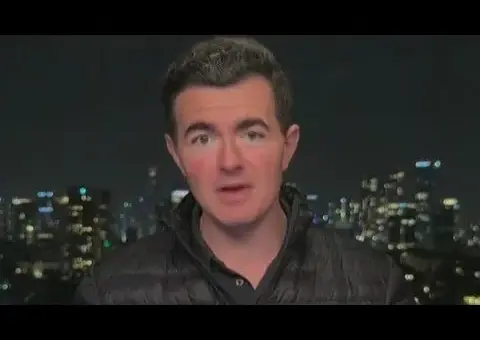
Israel Strikes Iran Nuclear Sites Amid Stalled Talks
Israel has struck key Iranian nuclear facilities, including uranium enrichment and heavy water plants, amid stalled international negotiations. The U.S. is pushing for a deal to curb Iran's nuclear ambitions while also seeking allied support to secure the vital Strait of Hormuz.
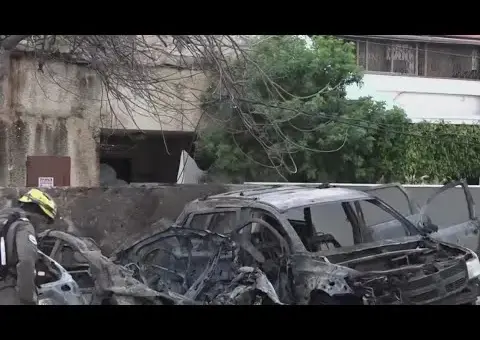
US Offers Iran 10-Day Deal Pause Amid Escalating Attacks
The US has offered Iran a 10-day pause on strikes against its energy sites, signaling ongoing behind-the-scenes talks despite public denials. This diplomatic effort occurs amid escalating attacks between Iran and Israel, and Iran's actions affecting Gulf states, highlighting a critical geopolitical moment.

Israel Strikes Iran’s Navy Chief, Escalating Regional Tensions
Israel has killed a top Iranian naval commander, vowing to hunt down more IRGC leaders. This strike, targeting the commander responsible for blocking the Strait of Hormuz, escalates regional tensions and sends a message to both Iran and the US. The move comes as Iran reportedly charges fees for ships in the Strait and Israel continues operations in Lebanon.