US Weapons Stockpiles Drained by Iran Conflict
The U.S. faces a significant depletion of its weapons stockpiles, particularly interceptors, due to the ongoing conflict with Iran. While production is being ramped up, it will take years to meet current demand, raising concerns about long-term sustainability. Gulf allies are also experiencing critical shortages of essential munitions.

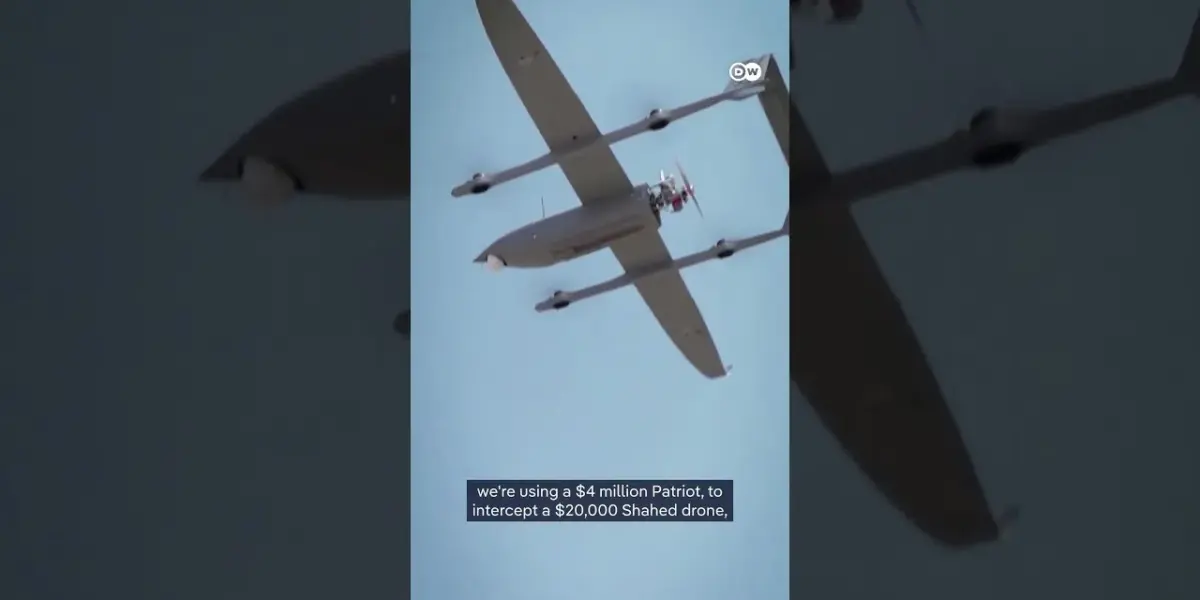
US Faces Munitions Strain in War Against Iran
The United States is facing a significant strain on its weapons stockpiles, particularly interceptors and munitions, as the conflict with Iran intensifies. The war, which began over three weeks ago with strikes by the U.S. and Israel against Iran, has seen extensive use of advanced weaponry. While the U.S. claims superiority in defense, the rapid depletion of critical supplies raises questions about long-term sustainability.
Interceptor Costs vs. Drone Threats
A major concern is the cost of defending against Iranian attacks. Ballistic missiles and drones launched by Iran are often intercepted by advanced defense systems like Patriot or THAAD missiles. These interceptors can cost hundreds of thousands, or even millions, of dollars to deploy. This is a stark contrast to the often much lower cost of producing the drones or missiles they are designed to destroy.
While headlines might suggest the U.S. is using expensive interceptors against cheap drones, officials clarify the reality is more nuanced. “There’s really not a cheaper alternative, unfortunately, for ballistic missile defense,” one source noted, referring to the need for sophisticated systems against serious threats. However, for other threats like the persistent Shahed drones, the U.S. is not relying solely on the most expensive interceptors. Instead, a mix of other systems is being used, making the headline-grabbing cost comparisons less accurate.
Production Lags Behind Consumption
The core issue is not just the cost, but the sheer quantity of weapons being used and the speed at which they can be replaced. “If we look, for example, at the Patriot missile, right now Lockheed Martin is producing about 600 per year,” a defense analyst explained. The company is attempting to increase this production to around 2,000 per year. However, reaching this new production level is expected to take approximately seven years. This timeline is insufficient for the immediate demands of an ongoing conflict.
This production lag means that current stockpiles are being depleted faster than they can be replenished. The question is not necessarily about financial sustainability, but about the physical availability of these crucial weapons. The U.S. possesses what is described as a “tremendous unlimited supply” of middle and upper-tier armaments, but the current rate of expenditure is testing those limits, especially for high-demand items like interceptors.
Iran Adapts, Making Destruction Difficult
Despite U.S. claims of decimating Iran’s defense capabilities, Iran is proving to be an adaptive adversary. Early in the conflict, reports indicated the destruction of numerous ballistic missile launchers. However, the claimed rate of destruction has slowed. This is partly because Iran is learning and improving its tactics. They are becoming more mobile, better at concealing their assets, and possibly moving them to areas where the U.S. does not have complete air superiority.
The threat posed by Shahed drones adds another layer of complexity. “That is really hard, really, really going to be hard to try to destroy all of that,” an analyst stated. The sheer number and the difficulty in tracking and intercepting every drone make it a persistent challenge for U.S. and allied forces.
Gulf Allies Face Critical Shortages
The munitions crunch is not limited to the United States. Many of Iran’s targets are in other Gulf countries, which also rely on similar defensive systems. These allies have been significant consumers of interceptors during the conflict. “When you do that math, you very quickly realize that even just from the opening days, the first week, the UAE and other Gulf States ran through the bulk of of their interceptors,” an observer noted. These nations are now operating with critically low supplies, “running on fumes,” indicating a broader regional shortage.
Looking Ahead
The ongoing conflict highlights a critical vulnerability in modern warfare: the balance between consuming advanced munitions and the capacity to produce them. As the war with Iran continues, all eyes will be on how quickly production can be scaled up and whether diplomatic solutions can be found to de-escalate the situation before key weapon systems are exhausted.
Source: Iran war is burning through US weapons stockpiles. Will they run out? | DW News (YouTube)

Related Articles


General Blasts “Comic Book Tough Guy” Over Officer Promotions
A four-star general has criticized Pentagon leadership, calling it a "comic book tough guy" over the alleged blocking of promotions for two Black and two female officers. This controversial move raises concerns about discrimination and its impact on military morale during a critical geopolitical period.


US War Funding Faces Congress, Iran Conflict Looms
The Pentagon's request for $200 billion for operations against Iran faces significant opposition in Congress, driven by election year concerns and the war's economic impact on Americans. Diplomatic efforts are indirect, and public support remains low, raising questions about the conflict's sustainability and strategic direction.


Senate Funds DHS, Easing Airport Chaos: What’s Next?
The Senate has agreed to fund the Department of Homeland Security, excluding ICE and Border Patrol, a move aimed at easing airport disruptions. Meanwhile, global markets react to ongoing tensions with Iran, and the Justice Department launches investigations into medical school admissions.