Heated Cabinet Meeting Exposes Media-Trump Dance
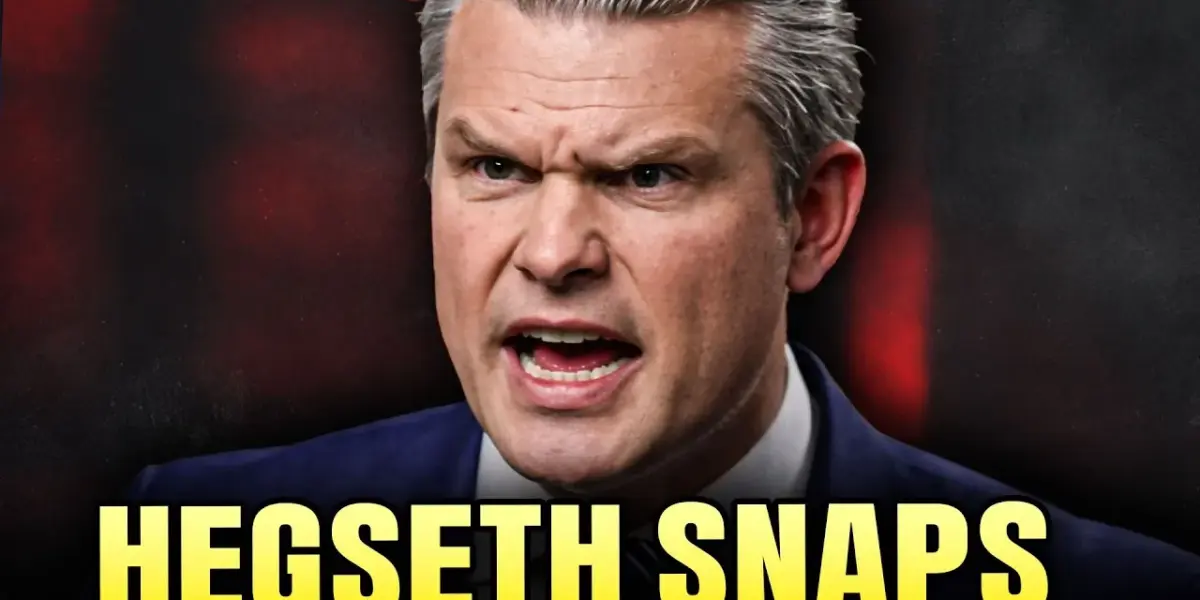
A recent televised cabinet meeting saw Pete Hegseth clash with the media over reporting on Iran, calling the operations a "pure American success." Critics argue these meetings are performative and question the narrative of success, citing potential troop involvement and ongoing Iranian defiance.

Heated Cabinet Meeting Exposes Media-Trump Dance
Televised cabinet meetings have become a strange spectacle, turning serious government business into what feels like a reality show. This practice, where cameras are invited in to capture every moment, raises questions about its true purpose and impact. While proponents might see it as transparency, critics argue it’s a performance designed for a specific audience, often at the expense of genuine governance.
The presence of media cameras in these meetings is particularly noteworthy. Some believe their continued attendance, despite the often-combative nature of the exchanges, is a misstep. The argument is that by showing up, the media inadvertently amplifies a show rather than holding power accountable. They are chasing viewers that may not exist for this specific type of broadcast, essentially participating in a dynamic they criticize.
A Fiery Confrontation
During a recent televised cabinet meeting, a notable incident occurred when Pete Hegseth confronted the media present. He expressed frustration, claiming the media was misrepresenting the situation regarding President Trump’s actions concerning Iran. According to Hegseth, the operations were not going poorly, as he felt the media portrayed, but were, in fact, a success.
“The folks here in the room, these cameras, they have a choice. You’re either informing the American people of the truth or you’re not. Because I hear it from my people every day. Behind every headline you write, there’s a helicopter crew in the air. And behind every news banner you write, there’s a battalion on the move. And behind every fake news story, there’s an F-35 pilot executing a dangerous mission. My message to the media is get it right.”
Hegseth further stated that the situation was not a failure or chaos, but “pure American success” and ahead of schedule. This strong stance highlights a deep division in how events are perceived and reported.
Challenging the Narrative
The speaker in the video pushed back against Hegseth’s claims. They pointed out that the media’s reaction often depends on the president’s actions. If Trump had not acted, the criticism would likely have been about inaction. Now that action has been taken, the questioning shifts to the reasons for it. This is described as a familiar pattern, often labeled as “Trump derangement syndrome.”
However, the speaker argued that the public, particularly patriotic Americans, see things differently. The conflict with Iran, initiated by Trump, Netanyahu, and Ben Salman, is presented as historically unpopular. The idea that “god-fearing people” support this action is questioned, with the assertion that many, including MAGA supporters, actually dislike it. The premise that no one was asking for action against Iran before it happened is also challenged.
Questions of Success and Strategy
The speaker raised doubts about the claim of “pure American success.” They cited a report suggesting the U.S. was running out of missiles due to frequent use, which does not align with a picture of strategic success. Furthermore, Iran’s continued defiance and mockery of Trump on the world stage, denying any talks or outreach, also contradicts the idea of a successful operation. Iran still controls the Strait of Hormuz, a critical waterway, further complicating the narrative of victory.
A significant point of contention arose from Hegseth’s mention of “battalions on the move.” This phrase, according to the speaker, strongly implies ground troops, or “boots on the ground.” While the administration has been careful not to commit to sending troops, Hegseth’s wording suggests a potential for direct military engagement. This could be a significant contradiction, especially given the common desire to avoid further military involvement.
Why This Matters
This exchange underscores a broader issue in modern politics: the performance of power versus the practice of it. Televised cabinet meetings, while offering a glimpse into the workings of government, can easily devolve into staged events. The media’s role in this is complex; their presence can legitimize the performance, while their critical reporting can challenge it. The tension between Hegseth’s defense of the administration’s actions and the speaker’s critique highlights how different groups interpret the same events through vastly different lenses.
Implications and Future Outlook
The trend of televised government events suggests a move towards greater public spectacle in politics. This can engage citizens, but it also risks trivializing important decisions. For the media, the challenge is to maintain journalistic integrity and avoid becoming mere conduits for political messaging. The future may see continued debates about the appropriate level of transparency and the effectiveness of media engagement with administrations that embrace public performances.
Historical Context
Throughout history, leaders have used public displays to shape perceptions. From presidential addresses to state parades, the visual presentation of power has always been a tool. Televised cabinet meetings are a modern iteration of this, leveraging new technology to reach a broad audience. However, the effectiveness and ethical implications of such practices remain a subject of ongoing discussion.
Source: Pete Hegseth SNAPS During Cabinet Meeting (YouTube)

Related Articles

Trump’s Grip Tightens: House Republicans Fold on Funding Bill
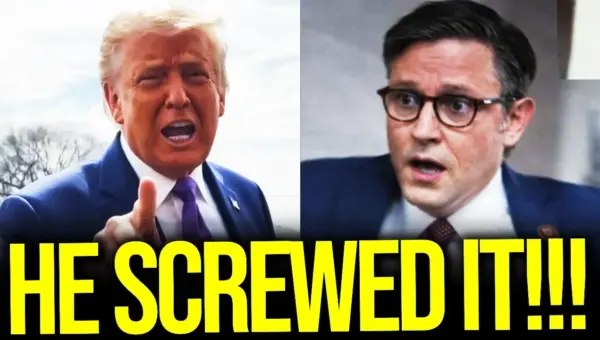
House Republicans, influenced by Donald Trump, have rejected a bipartisan bill to fund the Department of Homeland Security, causing chaos and leaving essential workers unpaid. Senate Republicans had unanimously passed the bill, but Speaker Mike Johnson ultimately folded to Trump's demands, highlighting the former president's strong grip on the party.
Trump’s CPAC Cheer: Populist Promises Crumble
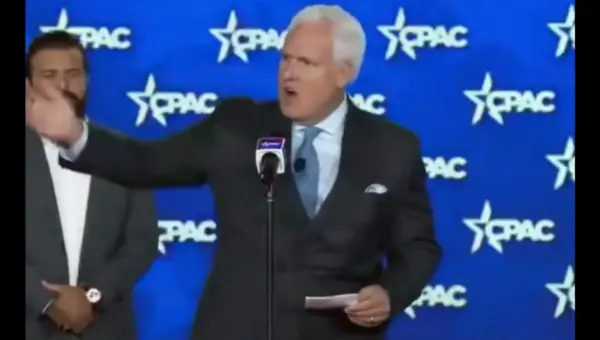
Cheers for impeachment hearings at CPAC suggest cracks in Donald Trump's popularity. Critics argue his populist promises have gone unfulfilled, benefiting only himself and his allies. Voters are urged to hold leaders accountable and demand tangible results.
Trump Courts Farmers with Trade, Tax Promises
President Trump hosted a large gathering of American farmers, pledging trade deals, tax cuts, and deregulation to boost farm income. He highlighted efforts to end the estate tax and increase soybean exports to China, while also promising to lower equipment costs through reduced regulations. Analysts, however, raised concerns about the impact of tariffs and the true origin of manufactured goods.