US Military Pursues Secret Tech, Lunar Base Plans Emerge
Reports indicate the US military and defense contractors are exploring advanced technologies, possibly reverse-engineering unknown craft. Concurrently, NASA plans a lunar base, while millions of UAP-related files are allegedly deleted, raising transparency concerns. These developments could reshape global power dynamics.

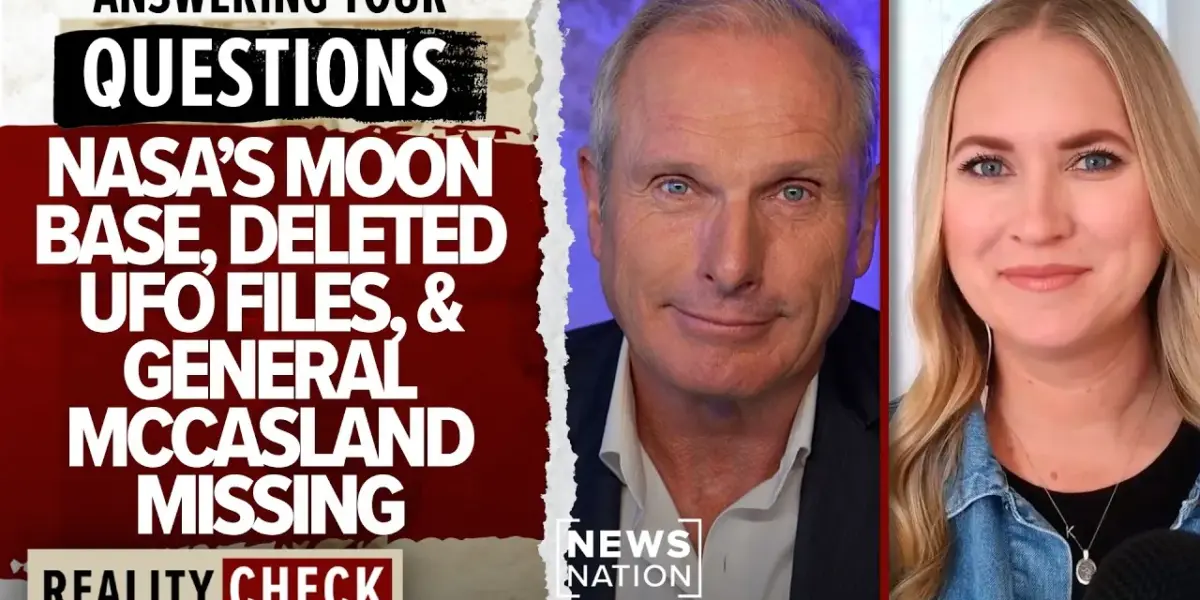
US Military Pursues Secret Tech, Lunar Base Plans Emerge
Military Explores Advanced Technology Amidst Secrecy
Reports suggest that high-ranking military officials and defense contractors in the United States are actively involved in exploring advanced technologies. This exploration seems to go beyond conventional aerospace development. One significant area of focus is the potential recovery and reverse-engineering of unknown craft. This suggests a deep interest in understanding and possibly replicating technologies that are not publicly understood.
Major General William “Neil” McCasland, a former head of Air Force research and development, has been linked to these investigations. While specific details are scarce, theories suggest his involvement points to serious military backing for these advanced programs. The idea of a military repairman theory, mentioned in relation to McCasland, hints at efforts to understand and fix or replicate recovered unknown technologies.
NASA’s Ambitions for a Moon Base
Beyond earthly pursuits, NASA has plans for establishing a base on the Moon. This initiative is part of a larger effort to expand human presence in space. Such a base could serve multiple purposes, including scientific research, resource utilization, and as a stepping stone for future deep-space missions. The development of a lunar outpost represents a significant long-term goal for American space exploration.
The timeline and specifics of these lunar base plans are not fully detailed, but the ambition itself signals a renewed focus on lunar activities. International cooperation or competition in this area could shape future space policies and resource allocation.
Concerns Over Deleted UFO Files
A disturbing aspect of this unfolding narrative is the alleged deletion of millions of files related to Unidentified Aerial Phenomena (UAPs). This action raises serious questions about transparency and accountability within government agencies. The disappearance of such a large volume of data suggests a potential effort to obscure information or perhaps a system failure with significant implications.
The reasons behind these deletions are unclear, but they fuel speculation about what information might have been contained within those files. This data loss could hinder further research and public understanding of UAP occurrences. It adds a layer of complexity to the ongoing discussions about national security and unexplained aerial events.
Defense Companies and Reverse Engineering
The involvement of major defense and aerospace companies in reverse-engineering unknown crafts is a critical point. Companies like General Motors, historically known for automotive manufacturing, are reportedly connected to UAP legacy programs. This suggests that the effort to understand advanced technologies is not confined to government labs but extends to the private sector’s most sophisticated players.
Reverse engineering involves taking apart a device to understand how it works, often to replicate it. If defense contractors are engaged in this with unknown materials or craft, it implies they believe these objects possess technological capabilities worth studying. This could involve new propulsion systems, materials science, or energy sources.
Meteor Sightings and Public Perception
The discussion also touches upon meteor sightings, which can sometimes be misidentified as UAPs. Differentiating between natural phenomena and potential technological anomalies is crucial. Public perception of UAPs is often shaped by sightings that are later explained as conventional objects or events. Clear communication and data sharing are vital to avoid unnecessary confusion.
Understanding the public’s view on these matters is important for government agencies. Efforts to inform the public about UAP investigations and findings could help build trust. However, the alleged file deletions work against such transparency goals.
Chris Bledsoe’s Experience in Egypt
The mention of Chris Bledsoe’s trip to Egypt adds a personal element, possibly relating to historical artifacts or unexplained phenomena in that region. While the details from the transcript are brief, such accounts often contribute to broader narratives about unexplained events and human encounters with the unknown.
Global Impact
The developments surrounding advanced technology acquisition, NASA’s lunar ambitions, and the handling of UAP data have significant global implications. If the U.S. is indeed making strides in reverse-engineering unknown technologies, it could create a substantial military and technological advantage. This could alter global power dynamics and spark new arms races, not just in conventional weapons but in advanced technologies.
NASA’s lunar base plans, while primarily an American endeavor, also fit into a broader international context of space exploration. Nations like China and Russia also have ambitions in space, including lunar missions. The establishment of a U.S. base could lead to cooperation or increased competition for resources and strategic positioning on the Moon.
Furthermore, the alleged deletion of UAP files raises concerns about international transparency and information sharing. If other nations are also investigating UAPs, the lack of openness in one major power could hinder collective understanding and potentially lead to miscalculations or distrust.
Historical Context
The current focus on UAPs and advanced technology echoes historical periods of intense technological development driven by perceived threats or opportunities. The Cold War, for instance, saw massive investment in aerospace and defense research, fueled by competition between the U.S. and the Soviet Union. Similarly, early aviation development was shrouded in secrecy and intense rivalry.
The concept of reverse-engineering captured enemy technology has a long history, from analyzing captured aircraft in World War II to studying Soviet missile technology during the Cold War. The current situation, if true, represents a continuation of this practice, but with potentially far more advanced and unknown origins of the technology.
Economic Leverage and Future Scenarios
Control over advanced technology derived from reverse-engineering could translate into immense economic leverage. New energy sources, materials, or propulsion systems could revolutionize industries and create new economic powerhouses. The companies involved would likely see massive growth, potentially reshaping global markets.
One future scenario involves a technological leap forward for the U.S., leading to a period of unparalleled economic and military dominance. Another scenario sees increased international tension as other nations attempt to catch up or develop their own capabilities, potentially leading to a new, more complex arms race. A third, more optimistic scenario, could involve international collaboration if the technologies are shared for the benefit of all humanity, though this seems less likely given the current geopolitical climate.
The lack of transparency surrounding the alleged deletion of UAP files remains a significant obstacle to a clear understanding of these developments. Without open access to information, speculation and mistrust are likely to persist, complicating any potential for a unified global approach to unexplained phenomena or advanced technology.
Source: Ross Coulthart Q&A: NASA’s moon base, deleted UFO files, General McCasland missing | Reality Check (YouTube)

Related Articles


US Must Block China’s Tech Access for Security
US national security experts are raising alarms about China's access to advanced AI chips, arguing it threatens strategic advantages. This, coupled with charges against Chinese entities for fentanyl precursor sales and a ban on foreign routers, signals a growing effort to prioritize security over business ties.

Astronaut Recounts Space Medical Scare, Informs Future Missions
Astronaut Mike Fincke detailed a recent medical emergency aboard the ISS that led to his return to Earth. While doctors ruled out serious conditions like stroke, the exact cause is still being studied, with theories pointing to a space-related anomaly. The experience is providing crucial data for future long-duration missions, including NASA's Artemis program.


Astronaut Recovers From Mystery Space Illness, Inspires Future Missions
Astronaut Mike Fincke has shared details about a mysterious medical emergency he experienced aboard the International Space Station, which led to his early return to Earth. While the exact cause is still under investigation, doctors believe it was space-related, providing crucial data for future deep space missions.