Defense Secretary Blocks Four Officers’ Promotions
Defense Secretary Pete Hegseth has blocked the promotion of four Army officers, two Black and two female, in a highly unusual move. This decision is raising questions about the promotion process and potential biases within the Pentagon. The move could be challenged in the Senate.

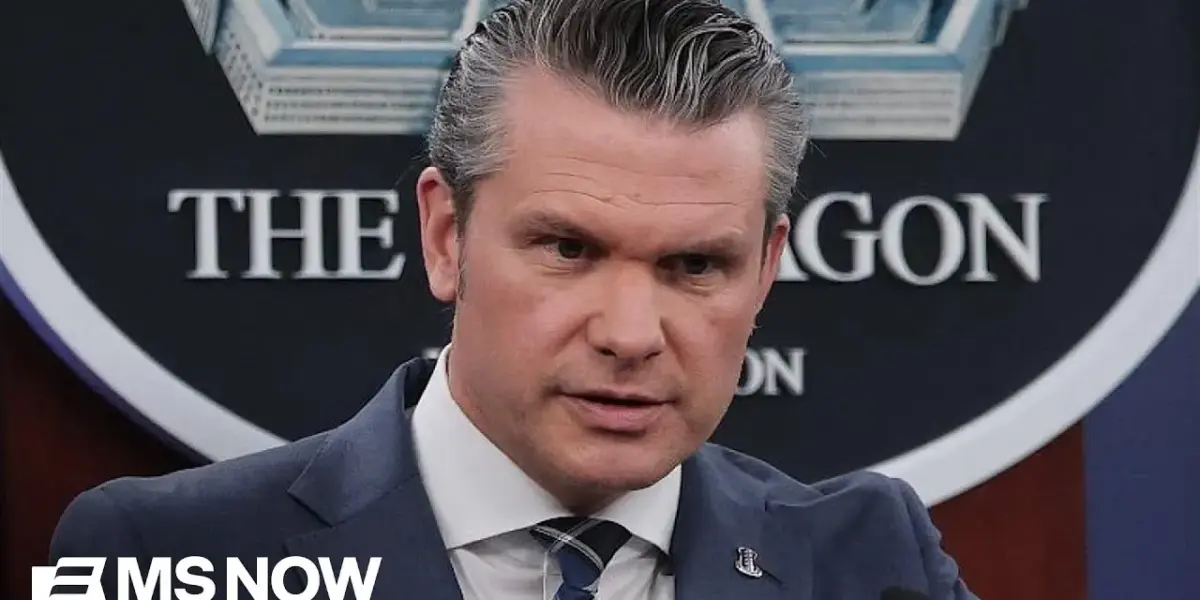
Defense Secretary Blocks Four Officers’ Promotions
Defense Secretary Pete Hegseth has halted the promotions of four Army officers, including two Black and two female candidates, in a highly unusual move that is drawing increased scrutiny. The New York Times first reported on the decision, which has created significant debate within the Pentagon and among military officials.
Unusual Decision Sparks Controversy
The decision to block these specific promotions is considered highly irregular. Military promotion processes are designed to be apolitical, with secretaries typically approving or rejecting entire lists of candidates rather than singling out individuals. This approach aims to remove politics from the selection process, ensuring that promotions are based solely on merit and qualifications.
In a statement to The Times, the Pentagon did not directly comment on Secretary Hegseth’s specific actions. However, the statement emphasized that “military promotions are given to those who have earned them.” This general statement offers little insight into the reasoning behind blocking these four officers.
Questions About Legal Authority and Process
Sources familiar with the situation suggest there is uncertainty about whether Secretary Hegseth possesses the legal authority to remove names from a promotion list in this manner. The process typically involves the Defense Secretary reviewing the entire list of recommended officers. The choice is usually to approve the whole list or reject it entirely.
This established procedure means that the list of promoted officers has now moved beyond the Pentagon. It has been sent to the White House for further review. After that, it will proceed through other channels, potentially including the Senate.
Potential for Reversal
The main avenue for reversing Secretary Hegseth’s decision may lie with the Senate. Senators could decide that the promotion process was handled improperly. If they take such a stance, they could send the list back to the Pentagon for reconsideration. This highlights the checks and balances within the system designed to ensure fairness in military appointments.
Allegations of Discriminatory Remarks
Further complicating the situation are reports of a heated exchange last summer between Hegseth’s Chief of Staff, Ricky Buria, and Army Secretary Daniel Driskel. This conversation, concerning a different promotion, reportedly involved Buria stating that President Trump would not want to be seen with a Black female officer at military events. This account comes from three current and former defense and administration officials who are familiar with the exchange.
Ricky Buria has denied these allegations, calling the account of the interaction false. However, the report of this alleged remark raises serious questions about the motivations and potential biases influencing promotion decisions within the Defense Department.
Impact on Military Culture
These events signal a significant shift in the culture and command climate at the Pentagon. Secretary Hegseth has been vocal about his desire to move away from what he calls “woke” policies in the military, advocating for a purely merit-based system. His writings and speeches before becoming secretary often used harsh language, describing many generals promoted under the Biden administration as “cowards hiding under their stars.”
This anti-diversity, equity, and inclusion (DEI) push has created widespread confusion and uncertainty. Many within the military are unsure about the standards being applied for promotions. The rhetoric about eliminating “wokeism” and focusing solely on merit, while seemingly straightforward, has led to an unclear sense of what the actual criteria are.
The impact of this rhetoric is significant. It can have a chilling effect on service members, making them question their opportunities for advancement. The military itself is diverse, with people of color making up roughly 40 to 45 percent of its ranks. Many join the military believing it is a meritocracy where performance is the sole factor for advancement.
The current environment, marked by internal disputes and strong rhetoric, sends a disheartening message to these service members. It raises concerns about whether they will receive a fair chance to rise through the ranks based on their abilities and dedication.
Looking Ahead
The coming weeks will be crucial as the White House and potentially the Senate review these promotions. The outcome will not only affect the careers of the four officers involved but could also set a precedent for how diversity and merit are balanced in future military appointments. Service members will be watching closely to see if the military remains a place where all are judged by their performance and commitment.
Source: NYT: Hegseth blocks two Black, two female military officers from being promoted (YouTube)

Related Articles

Pentagon UFO Office Faces Disclosure Backlash
Investigative journalist Ross Coulthart criticizes the Pentagon's UFO office, AARO, as unfit to handle any potential UAP disclosure from the Trump administration. He alleges the Pentagon has a history of lying to the public and Congress, hindering genuine transparency.

Trump Delays Iran Strikes, Weighs 10,000 More Troops
President Trump has extended a deadline for potential airstrikes on Iran's energy sector by 10 days, allowing more time for indirect peace talks. Meanwhile, the Pentagon is reportedly considering sending an additional 10,000 U.S. ground troops to the Middle East, raising questions about the administration's strategy.

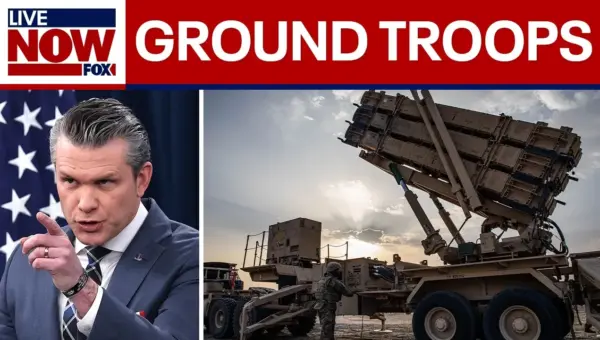
US Weighs 10,000 Troops for Middle East Amid Iran Talks
The Pentagon is reportedly considering deploying up to 10,000 additional ground troops to the Middle East, offering President Trump more military options amid ongoing peace talks with Iran. While President Trump claims Iran is seeking a deal, diplomatic signals are mixed with continued strike missions and significant losses to Iran's navy.