Trump Promises Farmers 20% Income Boost, Tax Relief
Former President Donald Trump addressed a large gathering of American farmers, highlighting a 20% surge in farm income and detailing tax cuts and regulatory relief. Key policies discussed include bonus depreciation for equipment, elimination of the estate tax, and expanded trade deals. The administration also announced new loan guarantees and efforts to reduce equipment repair costs.

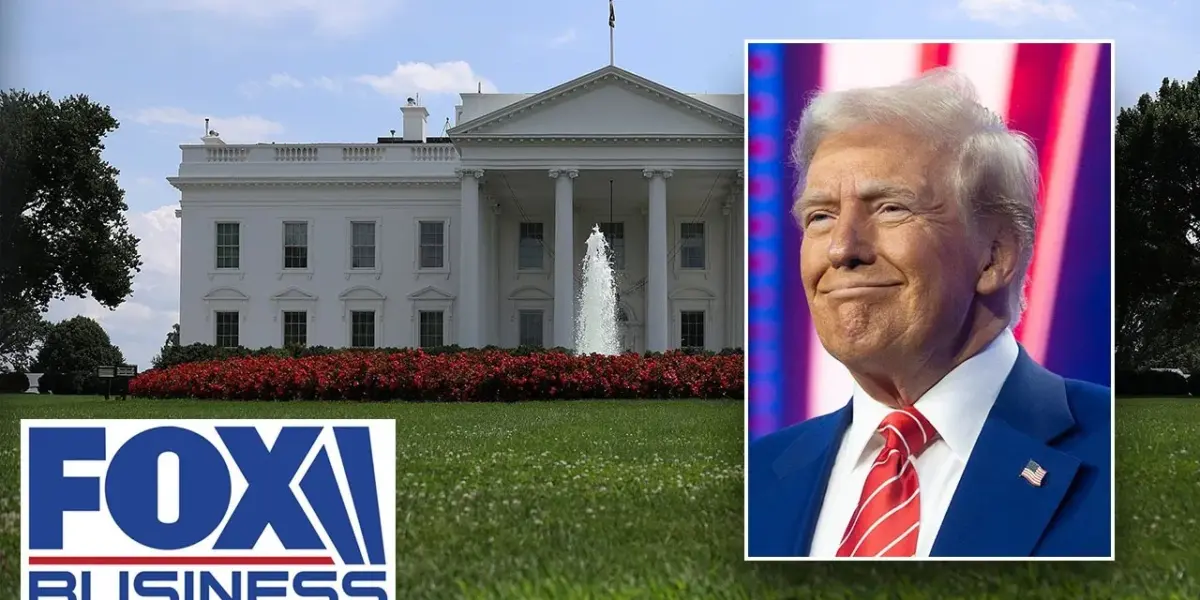
Trump Touts Farm Income Surge, Tax Cuts at White House Event
The White House hosted its largest-ever gathering of American farmers recently, where former President Donald Trump highlighted significant gains in farm income and detailed tax and regulatory policies aimed at supporting the agricultural sector. Trump asserted that farm income has soared by 20% since his return to office, a stark contrast to what he described as the “disastrous” economic conditions under the Biden administration.
Key Policy Wins for Farmers Highlighted
During his remarks on the South Lawn, Trump emphasized several key policy achievements he attributes to his administration’s support for farmers. He pointed to the repeal of what he called “ridiculous” EPA water restrictions, which he claimed prevented farmers from accessing necessary water resources. He also touted the largest tax cuts in American history, noting that 45% of filers have used these new provisions, receiving an average refund of nearly $5,000. A significant portion of these tax benefits, specifically the permanence of the small business tax deduction, is expected to benefit 98% of American farmers and ranchers.
Furthermore, Trump highlighted the immediate 100% bonus depreciation for new tractors and equipment. This allows farmers to deduct the entire cost of new machinery in the first year, a move he contrasted with the previous system where deductions were spread over 38 years. “Normally, it goes over a 38-year period. This is slightly better,” he remarked. He also stressed the elimination of the estate tax, or “death tax,” which he stated saves family farms from being lost due to hefty tax bills upon the owner’s death, preventing financial hardship and even suicides.
“We saved two million American farms from extinction by virtually ending the unfair estate tax.”
Trade Deals and Market Expansion
Trade was another central theme, with Trump claiming the Biden administration failed to negotiate a single new trade deal, while his administration has secured numerous agreements. He specifically mentioned a deal that increased American soybean exports to China from $20 billion to $40 billion. “The American soybeans are now being shipped to China in record amounts,” Trump stated. He also noted the expansion of markets for American beef, dairy products, and biofuels across Asia, Europe, and South America.
Regulatory Relief and Cost Reduction
Trump detailed efforts to reduce regulatory burdens, including a new rule allowing farmers the right to repair their own equipment. This is expected to save the average farmer up to $30,000 on major repairs. He also addressed restrictions on diesel exhaust fluid (DEF) requirements, stating new guidelines would drastically limit these rules, saving farmers and consumers billions. He criticized the complex environmental regulations on tractors and trucks, which he argued made equipment more expensive and less reliable.
The administration also announced new guidelines limiting DEF rules, which Trump claimed would save billions. He discussed how environmental mandates on tractors and trucks added thousands of dollars to production costs and complicated operations. “We want to go back to the old way, sir,” he quoted a John Deere executive as saying. Trump promised to work with manufacturers like John Deere and Case to ensure these cost savings are passed on to farmers through lower equipment prices.
Consumer Benefits and New Labeling
Beyond direct farmer support, Trump touched on benefits for consumers, including a new “Product of the USA” food label. He asserted that the prices of key staples like cheese, butter, potatoes, and fruit are lower now than when he took office. Egg prices, he noted, have fallen 60% since he entered the White House. He also reversed a policy he attributed to environmental concerns that aimed to reduce cattle numbers, stating, “We got rid of that one, too.”
Renewable Fuels and Loan Guarantees
The event also saw announcements regarding renewable fuels and financial support. Trump issued an emergency order to allow immediate sales of E15 gasoline and is seeking congressional action to permit year-round E15 use. He announced updated renewable fuel standards for 2026 and 2027, projecting over $10 billion in rural economic benefits, 100,000 new jobs, and increased energy supply. Additionally, the Small Business Administration is launching new loan guarantees for farmers and food suppliers to further support the industry.
Market Impact and What Investors Should Know
The policies discussed, such as tax cuts, regulatory rollbacks, and expanded trade, are designed to boost profitability and reduce operational costs for American farmers. The emphasis on deregulation, particularly concerning environmental standards for equipment and water access, could lead to lower capital expenditures and improved efficiency for agricultural businesses. The renegotiated trade deals and expanded market access, especially for soybeans, suggest potential for increased export revenues.
Investors in the agricultural sector, including those in equipment manufacturing, food processing, and commodity production, may see these initiatives as supportive of sector growth. The focus on reducing input costs and increasing farm income could translate into stronger financial performance for companies heavily reliant on the U.S. agricultural market. However, the long-term impact will depend on the sustained implementation of these policies and broader market conditions, including global demand and commodity price fluctuations.
Sector Context
The agricultural sector is a critical component of the U.S. economy, contributing significantly to GDP and employment. Policies affecting farm income, trade, and regulation have a direct impact on this sector. The discussion around trade deals, for example, is particularly relevant given the U.S. is a major global exporter of agricultural products like soybeans and corn. The focus on renewable fuels also aligns with broader trends towards energy independence and sustainability, though the specific implementation details and their economic effects remain key considerations for investors and industry stakeholders.
Source: WATCH LIVE: Trump delivers remarks to US farmers (YouTube)

Related Articles


Middle East War Sparks Farmer Crisis in US
American farmers are facing a severe cost crisis as the war in the Middle East drives up prices for essential supplies like fertilizer and fuel. The conflict's disruption to global shipping routes is creating economic hardship, adding to existing challenges from trade wars and market fluctuations. Farmers are calling for stability and open markets rather than bailouts.


Farmers Seek Market Access Over Bailouts Amid Crisis
Illinois farmer John Yealy argues that farmers need better market opportunities, not just government bailouts, to overcome the current agricultural crisis. Escalating costs for fuel and fertilizer, exacerbated by global conflicts, are straining the industry and will eventually impact consumer prices.


Trump Courts Farmers, Promises Agricultural Boom
Donald Trump addressed farmers at the White House, promising agricultural prosperity through deregulation, tax cuts, and trade deals. He positioned himself as a champion against the policies of the Biden administration and highlighted past achievements like repealing the estate tax and easing equipment repair rules. The speech aimed to solidify support from the farming community.