UK Diesel Shortage Fears: Government Urged to Prepare
The UK faces potential diesel supply shortages starting mid-April due to global tensions impacting shipping routes. Experts urge the government to prepare contingency plans, warning of price hikes and disruptions. While a complete lack of fuel isn't expected, proactive measures are seen as crucial to avoid panic and ensure supply chain stability.

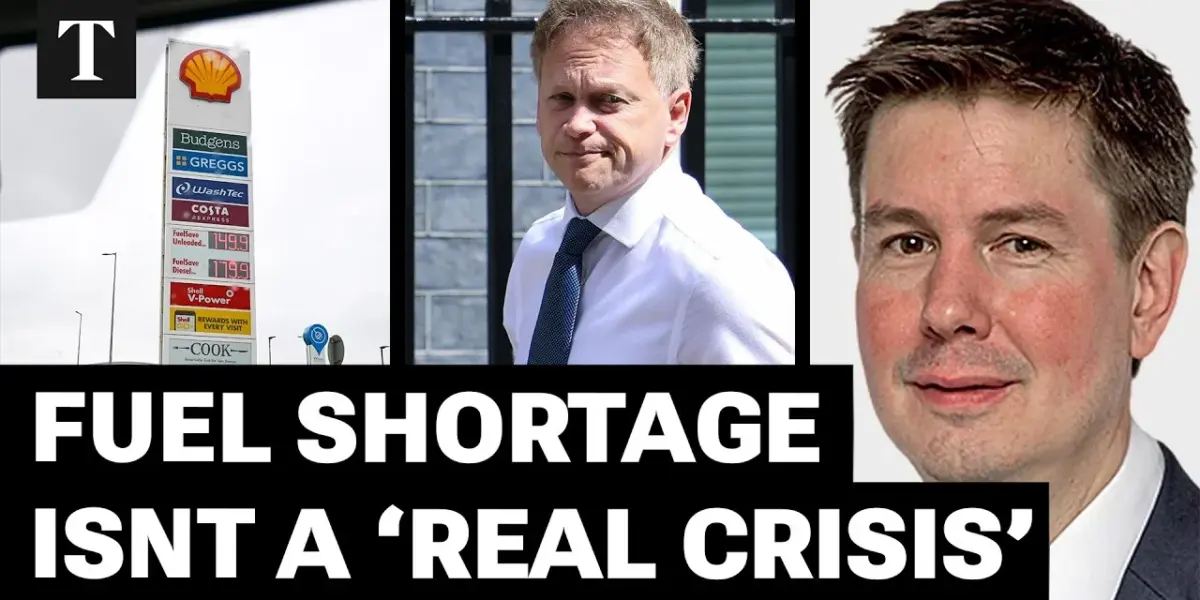
UK Faces Potential Diesel Supply Squeeze Amid Global Tensions
The United Kingdom is facing warnings of potential diesel supply shortages starting mid-April, with industry experts urging the government to prepare contingency plans. The concern stems from escalating global tensions and their impact on crucial shipping routes, particularly the Strait of Hormuz. While a complete lack of fuel is not anticipated, a rise in prices and potential disruptions are seen as real possibilities.
Iran Conflict and Impact on Diesel Imports
Foreign Secretary Vet Cooper highlighted the issue, stating that Iran must allow the free movement of oil and gas. Speaking at a G7 foreign ministers meeting, Cooper emphasized the need for diplomacy and international cooperation, arguing that Iran should not hold the global economy hostage. The Strait of Hormuz is a vital passage for oil and gas transportation, and its effective closure due to conflict raises concerns about the flow of fuel to the UK.
Industry Expert Explains Diesel Vulnerability
Ollie Wright, Policy Editor for The Times, explained that the UK imports about 40% of its diesel. Much of this supply comes indirectly from refineries in Belgium and the Netherlands, which rely on shipments through the Strait of Hormuz. Wright noted that since the conflict began, diesel prices have already risen by nearly 35 pence per liter, almost double the increase seen in petrol prices. He estimates that supply shortages could reach around 10% if the situation does not improve.
The Critical Role of Diesel in the UK Economy
Diesel is crucial for many sectors of the UK economy. While many cars use petrol, the vast majority of trucks run on diesel. These trucks are essential for transporting food and other goods, meaning that diesel price hikes and potential shortages can directly impact food prices and inflation. While a complete absence of diesel for trucks is unlikely, the knock-on effects on costs and the economy are a significant concern.
Government’s Dilemma: Avoid Panic, Prepare for Reality
The government faces a delicate balancing act. Publicly announcing potential shortages could trigger panic buying, exacerbating the problem, as seen during the 2000 petrol crisis. However, failing to prepare for a potential squeeze would be a significant oversight. “On the one hand, you don’t want to say that there’s a problem because as soon as you do, then you’re in danger of creating that problem. On the other hand, if you don’t get ready for it, then that is a problem in itself,” explained former Secretary of State for Energy Security and Net Zero, Grant Shapps.
Contingency Plans and Government Preparedness
Grant Shapps, who also served as Transport Secretary, stressed the importance of proactive measures. He advised putting in place steps to ensure tankers can keep flowing, potentially involving military assistance if required. Shapps recalled implementing measures during past crises, such as simplifying HGV license issuance, making military staff and drivers available through Operation Escalin, relaxing driver hours, and suspending competition law to allow information sharing between fuel retailers. He believes the government should be preparing these practical, behind-the-scenes steps now.
Military Assistance and Public Communication
The idea of using the military to drive fuel tankers has drawn some skepticism, especially with ongoing global conflicts. However, Shapps argued that since British troops are not directly involved in the conflicts in Ukraine or Iran, deploying a limited number of troops to support fuel distribution is a feasible contingency. He also suggested that communicating these preparations to the public could serve as a reassurance, though he acknowledged that coordinating such efforts across different government departments can take time.
Broader Global Impact and UK’s Position
The current situation is part of a broader global energy crisis, with soaring oil prices affecting economies worldwide. Countries like Germany are seeing their chemical industries in crisis mode, factories are shutting down in India, and consumers in the Netherlands are reducing energy use. While some countries are implementing measures like vehicle fuel rationing or encouraging work-from-home policies, the UK’s current supply chain resilience means it may not need to resort to such extreme actions. The UK’s gas supply, for example, largely comes from Nordic countries.
Debate on Domestic Energy Production
The discussion also touched upon the UK’s energy policy, including the controversial argument for increasing domestic oil and gas production. Shapps defended the idea, arguing that it is illogical to import fuel while having domestic resources. He criticized the notion that domestically produced oil would simply be exported, stating that it makes more sense to utilize local resources for jobs and economic flexibility, rather than relying solely on imports from places like Norway. He also emphasized that increasing renewables should go hand-in-hand with continued oil and gas extraction, as a complete switch-off is not feasible overnight.
Looking Ahead: Monitoring and Preparation
As mid-April approaches, all eyes will be on the Strait of Hormuz and the UK government’s response. While a severe crisis may be avoided through careful planning and existing supply chains, the potential for price hikes and localized disruptions remains. The government’s ability to manage public perception while ensuring practical preparedness will be key in navigating this challenging period.
Source: UK Fuel Supply line Doesn't Need Extreme Changes | Oliver Wright and Grant Shapps (YouTube)

Related Articles

Israel Strikes Iran Nuclear Sites Amid Stalled Talks
Israel has struck key Iranian nuclear facilities, including uranium enrichment and heavy water plants, amid stalled international negotiations. The U.S. is pushing for a deal to curb Iran's nuclear ambitions while also seeking allied support to secure the vital Strait of Hormuz.
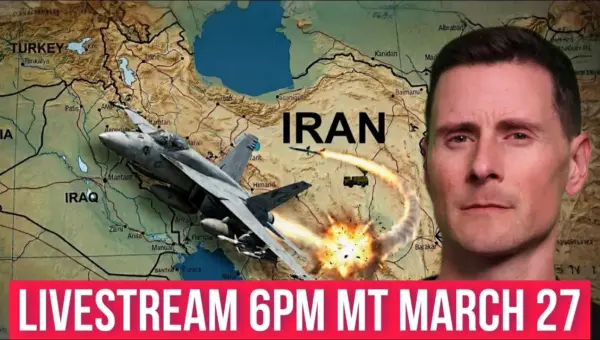
Navy F-18 Dodges Iran Missiles Near Chabahar
A U.S. Navy F/A-18 Super Hornet narrowly escaped a missile attack during a mission near Chabahar, Iran. The jet evaded Iranian MANPADS while conducting a low-level strafing run. The incident occurred as a deadline concerning the Strait of Hormuz was extended.


Iran Conflict: US Made Costly Mistakes, Expert Warns
War game expert Finley Grimble argues the US made significant strategic errors in its approach to Iran, underestimating its retaliation capabilities and the difficulty of controlling the Strait of Hormuz. He suggests declaring victory and withdrawing is the best path forward, rather than getting bogged down in a costly conflict.