Solid-State Battery Breakthrough or Bust?
The automotive industry is buzzing with developments, from potentially game-changing solid-state battery technology to a resurgence in motor shows. However, internal challenges, like Stellantis's controversial 'no natural demand' statement, highlight the complex road ahead for electrification.

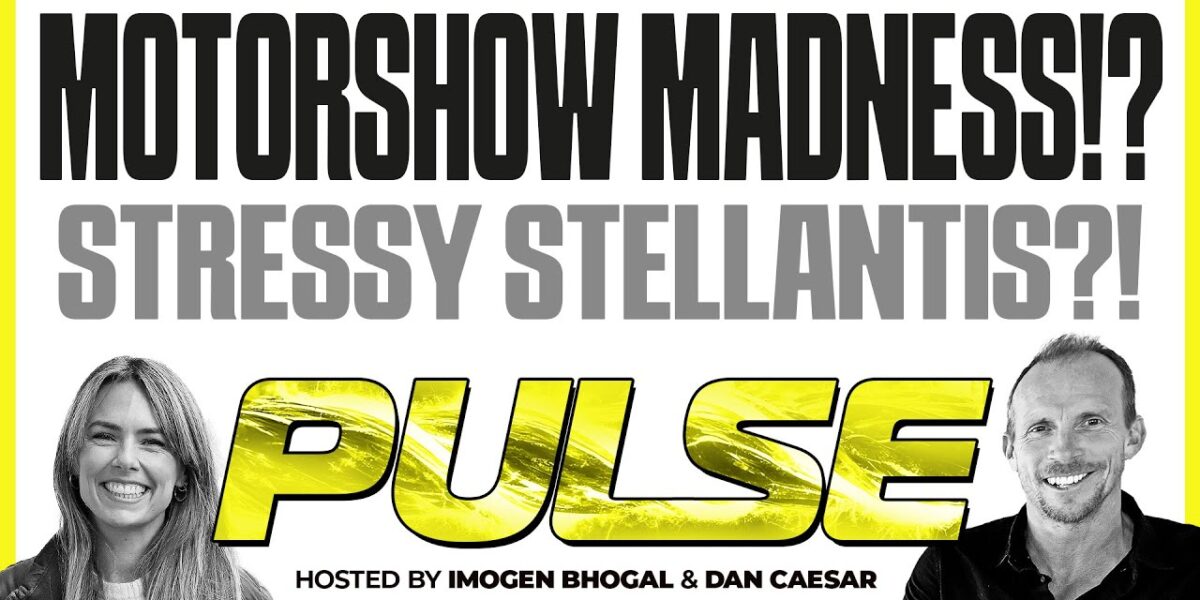
The Automotive Industry’s Electric Future Hangs in the Balance
The dawn of 2026 has been anything but quiet for the automotive world. Amidst a whirlwind of global politics and rapidly evolving market dynamics, the industry is grappling with both groundbreaking potential and persistent challenges. From the tantalizing promise of revolutionary battery technology to the resurgence of traditional motor shows and the internal struggles of major automotive conglomerates, the landscape is shifting at an unprecedented pace.
Solid-State Batteries: Holy Grail or Holy Fail?
The quest for the ultimate electric vehicle battery has long been a central theme in the industry. While lithium-ion has been the workhorse, the pursuit of superior energy density, faster charging, and longer lifespans continues.
Recently, a company named Donuts Lab has captured attention with claims of a battery boasting a 5-minute charge, a staggering 100,000-cycle life, and an energy density of 400 watt-hours per kilogram, potentially lasting a century. These numbers, if true, would be transformative, particularly for sectors like electric aviation where energy density is paramount.
However, the history of battery development is littered with ambitious claims that have yet to materialize. Experts urge caution, noting that figures that seem too good to be true often are. While Donuts Lab may be onto something significant, the leap from laboratory success to mass production and economic viability is substantial.
The article highlights the role of a Finnish startup, Nordic Nano, and its research into amorphous titanium dioxide nanostructures as a potential basis for this technology. The challenge, as always, lies in scalability and cost-effectiveness. Competitors like BYD and CATL are already pushing boundaries with advancements in LFP, sodium-ion, and ultra-fast charging, highlighting the rapid evolution of existing chemistries.
The potential impact of such a breakthrough is significant. It could fundamentally alter the EV market, accelerating adoption and opening new possibilities.
Yet, the industry has learned to temper its excitement, remembering past pronouncements that didn’t pan out. The true test will be whether Verge Motorcycles, associated with Donuts Lab, can integrate this technology into its products within the year, or if it will prove to be another tantalizing but ultimately unfulfilled promise.
Motor Show Madness: A Resurgence or a Swan Song?
The traditional motor show, once the undisputed pinnacle of automotive reveals, has faced an existential crisis. However, recent events suggest a potential revival.
The Brussels Motor Show, in particular, is now a significant platform, attracting a robust presence of both established European brands and a growing contingent of Chinese manufacturers. This contrasts sharply with the Consumer Electronics Show (CES) in Las Vegas, where the traditional automotive presence has dwindled, with Chinese brands reportedly outnumbering their American counterparts.
This shift highlights the evolving global automotive power dynamics. While tariffs and political landscapes may currently limit direct sales of Chinese EVs in the US, their presence at shows like CES signifies a long-term strategy.
Meanwhile, shows like Brussels are filling a void left by events like Geneva, serving as neutral grounds for global players. The Brussels Motor Show showcased a wide array of new electric vehicles, from the affordable Renault 5 and Twingo to more premium offerings from BMW, Mercedes-Benz, and the burgeoning Chinese brands like XPeng and BYD.
The European Car of the Year awards, presented at Brussels, saw the Mercedes-Benz CLA take the top prize. Interestingly, the nominations did not include any Chinese brands, reflecting a regional focus. This highlights the complex geopolitical and competitive environment, where intense rivalries are brewing.
While the return of vibrant motor shows is a positive sign for enthusiasts and the industry, the long-term viability of these events in the digital age remains a question. The trend towards online reveals and targeted digital marketing could still eventually eclipse the traditional motor show format.
Stellantis Under Pressure: “No Natural Demand” for EVs?
A recent statement from Stellantis’s European boss, suggesting there is currently “no natural demand for electric vehicles” and that carmakers are “burning cash,” has ignited considerable debate. This assertion has been met with skepticism and frustration by many within the EV advocacy and automotive journalism spheres. While acknowledging the immense pressures and financial challenges faced by legacy automakers in transitioning to electric mobility, many argue that the statement misrepresents the reality of consumer interest and the broader market dynamics.
Critics point to mounting evidence of increasing consumer demand for EVs globally, citing high customer satisfaction rates among EV owners and growing sales figures in many markets. The argument is that demand might be suppressed by factors such as range anxiety, charging infrastructure concerns, and, crucially, decades of industrial-scale misinformation campaigns against EVs. To attribute the challenges solely to a lack of “natural demand” overlooks these complexities and the significant investments and strategic shifts required for electrification.
The internal cultural alignment within a company like Stellantis is also brought into question. With entities like Leap Motors focused exclusively on EVs, a statement suggesting a lack of demand can be deeply divisive and counterproductive.
While the transition to EVs is undeniably complex and costly, with many automakers struggling to achieve profitability on electric models, the prevailing sentiment among many industry observers is that the future is undeniably electric. The challenge lies in navigating this transition effectively, overcoming misinformation, and ensuring that strategic decisions align with the long-term trajectory of the automotive market.
Who is this for?
The EV market continues to diversify, catering to a wide range of buyers. From budget-conscious commuters seeking affordable city cars to performance enthusiasts demanding exhilarating acceleration, there’s an electric vehicle for nearly every need. The ongoing development of new battery technologies and the increasing number of models available suggest that the EV transition is becoming more accessible and appealing to a broader demographic.
However, the current landscape still requires a degree of commitment, whether it’s investing in home charging solutions or navigating public charging networks. For early adopters and environmentally conscious consumers, the benefits are clear. As the market matures, affordability and convenience will broaden the appeal further.
Value Proposition
The value proposition of electric vehicles is complex. While the initial purchase price can still be higher than comparable internal combustion engine vehicles, lower running costs (electricity versus fuel, reduced maintenance) and government incentives can significantly offset this. The emergence of more affordable EV models and advancements in battery technology are steadily improving the long-term value proposition.
However, the “burning cash” sentiment from Stellantis highlights the financial strain on manufacturers, which could impact pricing strategies and the speed of development. Consumers benefit from increased competition and innovation, but the long-term economic viability for manufacturers remains a critical factor in the pace and accessibility of future EV offerings.
Source: MIRACLE BATTERY? MOTORSHOW MADNESS! STRESSY STELLANTIS? (YouTube)

Related Articles


Chinese Brands Storm UK Market, Shaking Up Auto Industry
Chinese EV manufacturers like BYD and Chery Group are rapidly taking market share in the UK, outperforming established brands and challenging traditional perceptions. Their aggressive marketing and competitive products are reshaping the automotive landscape.
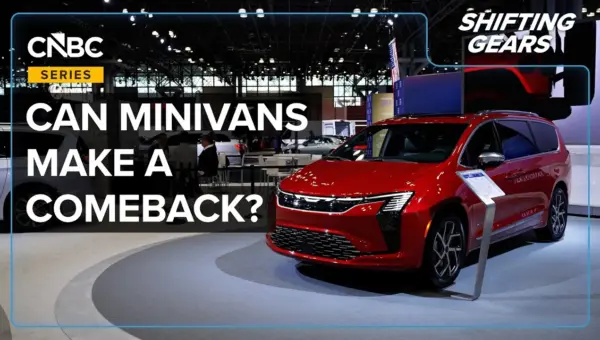
Minivan Market Ticks Up: Chrysler Sees ‘Resurgence’
Minivans are showing a steady rise in market share, climbing to 2.4% in 2025. Chrysler highlights this trend as a 'resurgence,' driven by practicality, value, and strong resale. Analysts note improved market conditions and quick sales, suggesting a sustainable niche for these family vehicles.
Porsche Patents a Manual for Electric Cars
Porsche has filed a patent for a manual transmission system designed for electric vehicles. This innovative system would allow drivers to choose between automatic mode and a traditional H-pattern manual shifter, offering an engaging driving experience for EV enthusiasts.