Killer Admits Long Island Murders After Decades of Fear
Accused Gilgo Beach killer Rex Heuermann is reportedly expected to plead guilty to seven murders. This potential confession could finally bring closure to families who have waited decades for justice. The case has haunted Long Island since the early 1990s.

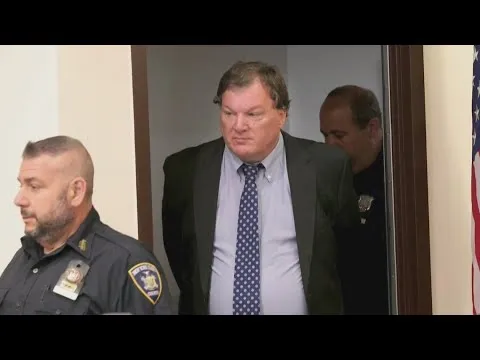
Accused Gilgo Beach Killer Nears Confession in Decades-Long Case
A quiet suburban neighborhood on Long Island is reeling from the possibility of a confession in a case that has haunted the area for decades. Rex Heuermann, accused of a series of murders, is reportedly expected to plead guilty to all charges. This development could bring long-awaited closure to the families of the victims and end a chapter of fear that has gripped the community.
A Community Shocked, Families Await Justice
The home of Rex Heuermann in Massapequa Park, a seemingly peaceful area, stands as the backdrop to this shocking revelation. Neighbors are stunned, as the man they knew is now accused of horrific crimes. His family still resides in the red house where prosecutors believe the planning, and possibly the murders themselves, took place. This case has cast a dark shadow over Long Island for many years, leaving behind a trail of unanswered questions and grieving families.
The Victims and the Search for Truth
Heuermann, arrested in 2023, has been charged with the murders of Sandra Costilla, Valerie Mack, Jessica Taylor, and four other victims known only as the Gilgo Four: Maureen Brainerd Barnes, Melissa Barthelemy, Megan Waterman, and Amber Lynn Costello. The discovery of most of these women along a remote stretch of highway near Gilgo Beach, hidden in thick brush, sent shockwaves through the region. For decades, their families have waited for justice, a wait that may soon be nearing its end.
Familiar Territory, Meticulous Crimes
Prosecutors suggest that Heuermann was intimately familiar with the area where the victims were found. He lived just a few miles away and had worked near Jones Beach State Park in his youth. Investigators believe he used burner phones and left behind crucial DNA evidence, including hairs found on the victims. Despite taking careful steps to hide his alleged crimes, investigators say he left enough clues to connect him to the killings.
A Disturbing Blueprint for Murder
The Gilgo Beach Task Force uncovered disturbing internet searches linked to the 62-year-old architect. These searches, described as a “blueprint for the killings” in court documents, allegedly detailed how Heuermann planned and carried out the murders, and how he attempted to avoid capture. These documents suggest a level of premeditation that has deeply disturbed investigators and the public.
Timing and Family Absence
Investigators believe the crimes occurred while Heuermann’s family was out of town. Court documents suggest a disturbing pattern: the family would leave, and Heuermann would allegedly begin his killing spree. His family members are not currently implicated in these crimes, but the proximity of the alleged acts to their home raises difficult questions.
Awaiting the Court’s Decision
The scheduled court appearance on April 8th is a critical date. While reports suggest Heuermann is planning to plead guilty, this is not yet a formal plea deal. No official statements have been made by prosecutors or defense attorneys. Sources indicate that family members of the victims have been contacted, preparing them for the upcoming proceedings. However, as with any legal process, there remains a possibility that Heuermann could change his mind, or the judge may not approve any potential agreement.
Unanswered Questions: Motive and Closure
The case echoes the recent trial of Bryan Kohberger, accused in the Idaho murders. In that case, Kohberger confessed but offered no explanation for his actions, leaving many families with unanswered questions about motive. If Heuermann pleads guilty, the focus may shift to victim impact statements, where families can share their stories. Yet, the question of “why” may remain unanswered, leaving open wounds for those who have suffered such profound loss.
Global Impact
While this case is deeply rooted in a specific community, its broader implications touch on public safety and the effectiveness of law enforcement. The decades-long investigation highlights the challenges of solving complex crimes, especially those involving serial offenders. The use of advanced forensic techniques and digital evidence played a crucial role in bringing this case to a potential conclusion, underscoring the evolving nature of criminal investigations in the modern era.
Historical Context
The Gilgo Beach murders are part of a larger, disturbing history of unsolved or long-delayed justice in criminal cases. The passage of time can often complicate investigations, as evidence degrades and memories fade. This case, spanning from the early 1990s to 2010, demonstrates the persistent efforts of law enforcement and the unwavering hope of victims’ families for resolution, even across many years.
Economic Leverage
While economic factors like sanctions or trade are not directly relevant to this specific criminal case, the resources dedicated to the investigation represent a significant public expenditure. The allocation of funds towards task forces, forensic analysis, and legal proceedings reflects a societal investment in justice and public safety. The successful resolution of such cases, through confession or conviction, can also be seen as a way to restore confidence in the systems designed to protect citizens.
Regional Alliances and Power Balances
This case is primarily a local matter, focusing on law enforcement and the justice system within Suffolk County, New York. There are no international or regional alliances directly involved. However, the successful resolution of high-profile crimes can bolster the reputation of the law enforcement agencies and the judicial system involved, indirectly impacting perceptions of regional stability and order.
Future Scenarios
The most likely scenario is that Rex Heuermann will formally plead guilty on April 8th, leading to sentencing and victim impact statements. A less likely scenario is that he changes his mind, forcing the prosecution to proceed to a full trial. Another possibility, though remote, is that the judge does not accept the plea for reasons not yet known. Regardless of the exact legal path, the focus will remain on accountability for the alleged crimes.
Source: Accused Gilgo Beach killer Rex Heuermann expected to plead guilty | NewsNation Live (YouTube)

Related Articles


Anchor’s Pain Mirrors Nation’s Grief
The abduction and suspected murder of Nancy Guthrie, mother of Today show host Savannah Guthrie, has brought the family's private pain into the public eye. Guthrie recently shared details of the ongoing investigation, highlighting the emotional toll and the community's connection to her struggle.


Savannah Guthrie Shares Mother’s Abduction Ordeal
NBC News anchor Savannah Guthrie shared new details about her mother's abduction, describing the moment she learned of the crime and the emotional toll it has taken. She spoke about ransom notes, crime scene clues, and how her faith is helping her cope with the uncertainty.


Guthrie Shares Harrowing Details of Mother’s Kidnapping
Savannah Guthrie has shared new details about her mother Nancy's kidnapping, revealing the moment she learned of the abduction and the possibility her fame played a role. The interview details new evidence from the crime scene and the family's struggle with grief and faith.