Trump’s Iran War Fails to Win Public Support
New polls reveal a significant drop in public approval for Donald Trump's handling of Iran, with 64% disapproval. This low starting point contrasts sharply with past conflicts and suggests potential challenges ahead for the administration.


Trump’s Iran War Fails to Win Public Support
Donald Trump’s approval ratings are showing a concerning trend, especially regarding his handling of potential conflict in Iran. Recent polls indicate a significant drop in public trust, with his overall disapproval rating climbing. This isn’t just a general dip; it’s a stark warning sign for his administration.
A look at the numbers reveals a dramatic shift. Just a year ago, Trump’s disapproval rating stood at 51%. Now, this figure has climbed considerably, reaching 59% according to a Fox News poll. This upward trend in disapproval has been consistent across multiple surveys, placing him at or near record highs for public disapproval during his term.
Disapproval on Iran Reaches New Highs
The situation becomes even more critical when focusing on Trump’s approach to Iran. A staggering 64% of Americans disapprove of his handling of the Iran situation. This means that only a small fraction, just 36% of the public, actually approves of his actions. This level of public disagreement is a significant early indicator of trouble.
This low level of support for military action is particularly noteworthy when compared to past conflicts. The transcript points out that many Middle Eastern wars in the mid-2000s, such as the Iraq War, began with considerable public backing. This initial support was partly fueled by the aftermath of 9/11 and, as the transcript notes, information provided by the Bush administration at the time. However, Trump’s potential conflict in Iran is starting with far less public enthusiasm, even less than a month into its beginnings.
Why This Matters
The lack of public support for military action is a crucial factor for any administration. When the public doesn’t back a war, it can lead to increased domestic opposition, protests, and a general feeling of division. This can make it harder for the government to achieve its goals and can lead to prolonged conflicts.
Historically, wars that lack public support often face significant challenges. As the transcript suggests, this disapproval is likely to grow. Factors like rising costs, casualties, and the deployment of more troops to the Middle East tend to erode public patience over time. The initial low approval suggests a difficult road ahead for Trump’s foreign policy in Iran.
Implications and Future Outlook
The current low approval rating on Iran suggests that any military engagement could face substantial public resistance. This could force the administration to be more cautious in its actions or to work harder to justify its policies to the American people. The trend also indicates that the public is wary of new military conflicts, especially in the Middle East.
Looking ahead, this disapproval could have political consequences. A president with low approval ratings, particularly on a critical issue like foreign policy, may find it harder to rally support for other initiatives. It could also affect his standing in future elections. The consistent decline in approval signals a public mood that is increasingly skeptical of military intervention.
The transcript emphasizes that this is just the beginning. As the situation in Iran develops, the public’s opinion could shift. However, starting with such low approval makes it an uphill battle for the administration to gain public trust and support for its policies. The coming weeks and months will be critical in determining whether this trend continues or changes.
Historical Context
The comparison to the early 2000s is important. The Iraq War, for instance, initially had public support, partly due to the emotional impact of 9/11 and the information presented by the government. However, as the war dragged on and its justifications were questioned, public support waned significantly. This historical example serves as a cautionary tale about the importance of public opinion in prolonged military engagements.
Trump’s current situation with Iran is different because the conflict is beginning with a much lower base of public approval. This suggests a public that is perhaps more informed, more cautious, or simply less willing to support military action without clear and compelling reasons. The transcript highlights that this is a critical difference in how the public is reacting to the prospect of war.
In conclusion, the data presented points to a clear lack of public confidence in Donald Trump’s approach to Iran. This disapproval, if it continues, could significantly impact his administration’s foreign policy decisions and its overall political standing. The public’s voice, as reflected in these polls, is a powerful force that cannot be ignored.
Source: Trump’s Iran War Hits 64% Disapproval #politics #fyp #new (YouTube)

Related Articles
Ex-Intel Officer Warns: Trump’s Iran Policy Risks Escalation
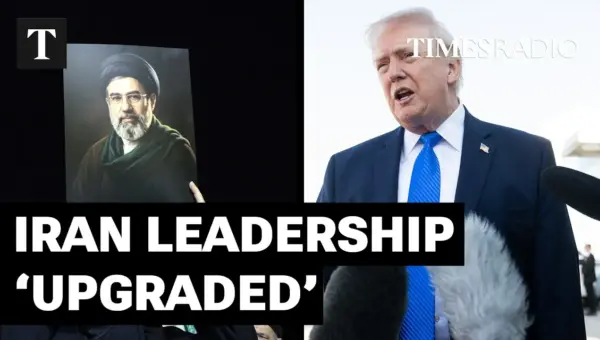
Former US Navy intelligence officer Malcolm Nance warns that President Trump's rhetoric and strategic decisions regarding Iran are dangerously misguided. Nance highlights the extensive combat experience of Iran's Supreme Leader and criticizes the unpreparedness of US amphibious operations, fearing potential escalation.
Trump Makes Bold Promises at Investment Summit
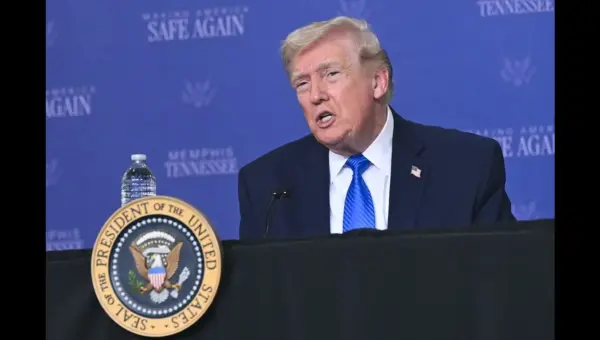
Former President Donald Trump addressed the FII PRIORITY Summit, outlining his economic vision. He promised deregulation, tax cuts, and protectionist trade policies aimed at boosting American jobs and competitiveness. These remarks signal potential future economic directions.
Trump Blunders Into Iran Conflict, Lacks Strategy
Journalist David Cay Johnston argues that President Trump lacks a clear strategy in dealing with Iran, driven by falling poll numbers and personal ambition. Johnston warns of potential disaster, citing Trump's inexperience and the dangerous influence of Christian nationalism on U.S. policy.