Iran’s War Machine Crippled By Devastating Strikes
Recent bombing strikes have crippled Iran's key steel facilities and missile storage sites, severely impacting its ability to produce weapons and project power. This escalation could significantly alter regional dynamics and affect ongoing ceasefire talks.


Iran’s War Machine Crippled By Devastating Strikes
Recent reports detail significant bombing strikes against Iran’s critical infrastructure, suggesting a major escalation in ongoing conflicts. These attacks, targeting key industrial and military facilities, have severely hampered Iran’s ability to produce weapons and project power. The implications are far-reaching, potentially impacting ceasefire negotiations and the broader regional balance.
Targeting Industrial Might
Reports from Iranian news agencies, corroborated by video footage, confirm that air strikes have hit vital steel facilities in Avas and Isvahan. Mubarak steel, Iran’s largest steel producer, which accounts for over half of the country’s steel output, was among the primary targets. This is a critical blow because steel is essential for manufacturing weapons, missiles, drones, naval ships, aircraft, and armored vehicles.
By destroying these steel plants, the attackers are directly undermining Iran’s capacity to build new weapons and replace those already used or destroyed. This move is seen by analysts as a significant strategic objective, aiming not just to degrade Iran’s current military strength but also to cripple its long-term ability to rearm and sustain its war efforts. The damage to these facilities is described as extensive, with aerial views showing scorched earth and complete destruction.
Striking Nuclear and Missile Capabilities
Beyond industrial sites, the strikes also hit a heavy water nuclear complex at Code NAB, raising concerns about Iran’s nuclear program. Additionally, underground facilities known as “missile cities,” where Iran stores its ballistic missiles, were targeted. These strikes are designed to remove Iran’s missile arsenal from play and prevent its future use.
Video footage released by US Central Command shows massive strikes on these complexes, described as efforts to eliminate Iran’s ability to project military power beyond its borders. The destruction of what appears to be a radar system, likely used for early warning air defense, further highlights the comprehensive nature of these attacks.
Assessing Iran’s Remaining Arsenal
Despite the extensive damage, a significant portion of Iran’s missile capabilities may still remain. According to US intelligence assessments, approximately one-third of Iran’s vast missile arsenal has been destroyed with certainty. Another third is believed to be damaged, destroyed, or buried in underground tunnels and bunkers. This leaves the final third untouched, either used in previous attacks or still in stockpiles.
Estimates suggest Iran began the conflict with around 3,000 missiles. This breakdown indicates that roughly 1,000 missiles may have been destroyed, another 1,000 are compromised in storage, and a similar number remain potentially ready for use. The situation with Iran’s drone program is also being closely monitored, with footage showing drones being launched, while Israeli forces are seen intercepting and shooting them down with helicopter gunships.
Technological Setbacks
Adding to Iran’s challenges, footage has emerged showing a missile launch that immediately failed, crashing back to the ground. This incident suggests that Iran’s missile technology may not be as advanced as it claims, potentially further weakening its military standing.
Why This Matters
These strikes represent a significant escalation and a direct assault on Iran’s war-making capacity. Crippling its steel production directly impacts its ability to manufacture essential military hardware. Reducing its missile arsenal limits its offensive capabilities and defensive options. The targeting of nuclear facilities also adds a dangerous dimension to the conflict.
The effectiveness of these strikes could dramatically alter the strategic balance in the region. If Iran’s ability to produce weapons and launch missiles is severely degraded, its capacity to engage in prolonged conflict or threaten its neighbors is significantly reduced. This could have a dampening effect on ongoing ceasefire negotiations, as one side may feel emboldened by its successes or the other may feel cornered.
Implications and Future Outlook
The ongoing bombing campaign suggests a deliberate strategy to dismantle Iran’s military infrastructure piece by piece. The attacks on steel plants are particularly noteworthy, indicating a focus on degrading Iran’s industrial base rather than just its existing arsenal. This approach could have long-term consequences for Iran’s military development.
The mention of thousands of US ground troops moving into position alongside these strikes suggests a broader military posture aimed at deterring further aggression or preparing for potential ground operations. The future outlook remains volatile, with the potential for further escalation or a shift in diplomatic efforts depending on the continued impact of these attacks and Iran’s response.
Historical Context
Attacks on industrial and military infrastructure are a common tactic in modern warfare, aimed at degrading an adversary’s ability to fight. Historically, such campaigns have sought to disrupt supply lines, destroy production capabilities, and demoralize enemy forces. The targeting of dual-use facilities, like steel plants that can produce materials for both civilian and military use, is a strategic choice to maximize impact.
The focus on Iran’s missile program and nuclear facilities is also not new. For years, international efforts have sought to curb Iran’s ballistic missile development and prevent it from acquiring nuclear weapons. These recent strikes appear to be a continuation and intensification of those efforts through direct military action.
Source: Iran LIT UP By SHOCKING Attack – CRITICAL Targets DESTROYED (YouTube)

Related Articles

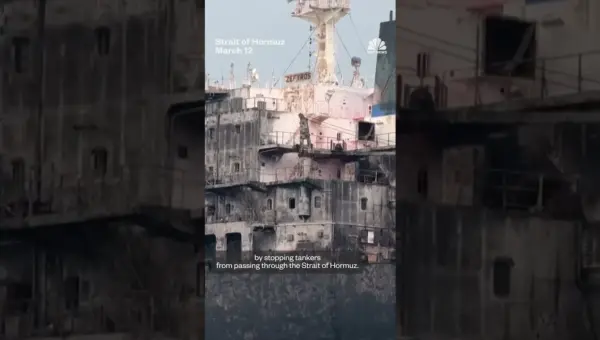
US Refueling Plane Crashes in Iraq, Iran Escalates Regional Tensions
A U.S. Air Force KC-135 refueling plane crashed in western Iraq amid ongoing rescue efforts. The incident occurred as Iran escalates regional tensions with attacks on oil tankers and infrastructure in Bahrain and Dubai.
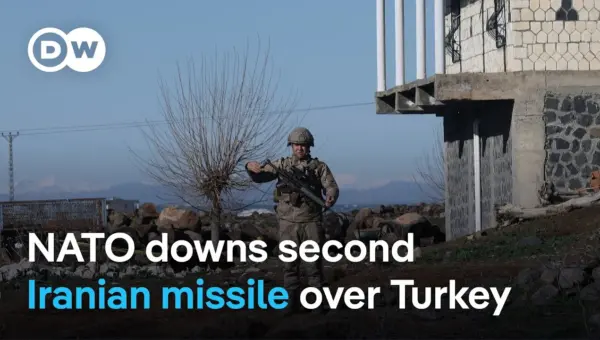
NATO Confirms Downing Second Iranian Missile Over Turkey
NATO confirmed it intercepted a second Iranian ballistic missile over Turkey, raising regional tensions. Turkey vows decisive action but seeks to avoid direct conflict with Iran, prioritizing diplomatic solutions amidst economic pressures.


Gulf States Face Dilemma Over Iran Attacks
Gulf states are facing a critical juncture as Iranian attacks deplete their defensive stockpiles and strain resources. Analysts suggest a potential shift towards direct involvement and coalition forces if the conflict prolongs, but internal risks and diplomatic sensitivities loom large.