UK Debates Assisted Dying Amidst Tragic Spanish Case
The UK's House of Lords is currently debating a proposed assisted dying bill, a discussion amplified by a tragic case in Spain. A 25-year-old woman, Noelia Castillo, who suffered severe trauma, was granted an assisted death after an 18-month legal battle. Healthcare law expert Dr. Alexandra Mullik describes the UK bill as cautious, with strong safeguards, while acknowledging concerns about coercion.

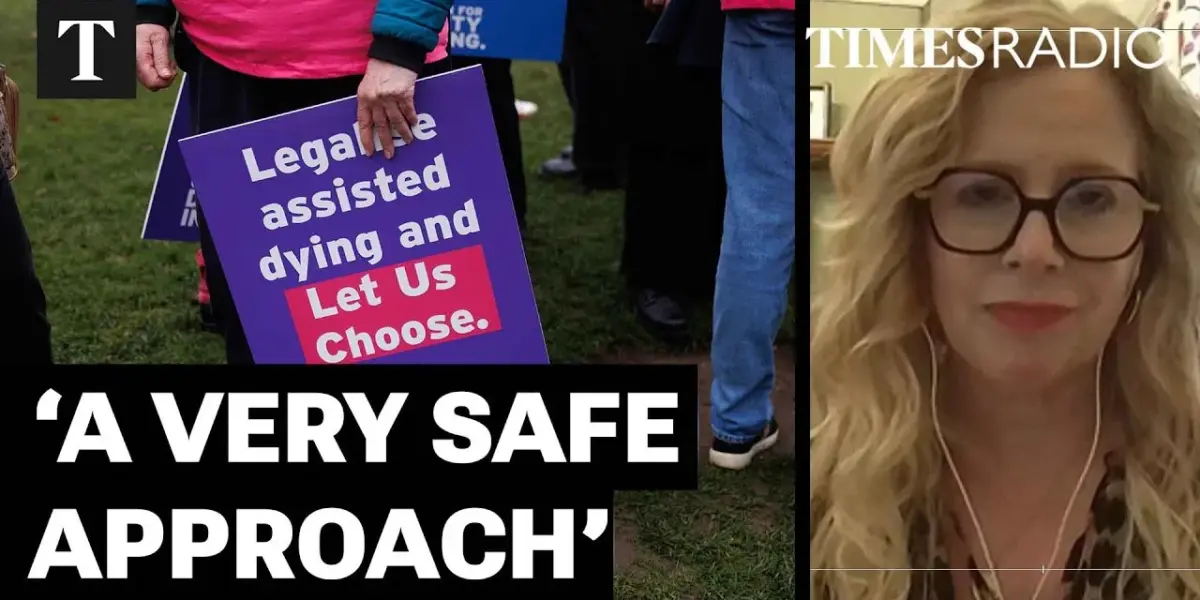
UK Parliament Considers Assisted Dying Bill
Lawmakers in the United Kingdom’s House of Lords are currently debating a proposed assisted dying bill. This legislative discussion comes as a deeply tragic case from Spain has reignited the conversation about end-of-life choices. The bill aims to provide a framework for assisted dying, but faces significant opposition in the upper house.
A Heartbreaking Case in Spain
The Spanish case that has brought renewed attention to assisted dying involves Noelia Castillo, a 25-year-old woman from Barcelona. Castillo suffered immense physical and mental trauma after being the victim of a gang rape. Her attempts to end her life by suicide resulted in paraplegia and chronic pain.
Castillo applied to end her life under Spain’s euthanasia laws. Her application faced strong opposition from her parents, particularly her father. After an 18-month legal battle, the European Court of Human Rights ruled in her favor this week. Her death was confirmed late yesterday, marking a somber conclusion to her struggle.
Expert Weighs In on Spanish System
Dr. Alexandra Mullik, a senior lecturer in healthcare law at the University of Manchester, discussed the Spanish case and its implications. She explained that Spain’s system allows assisted dying for individuals with incurable conditions who are suffering unbearably, provided they have the capacity to consent. Dr. Mullik stated that, in her understanding, Noelia Castillo met these criteria, and the Spanish system operated as intended.
The case reached the European Court of Human Rights because Spanish law allows individuals to attempt to prevent a loved one from accessing assisted dying. Noelia’s father pursued legal avenues, leading to an application for an interim measure to halt her assisted death. The European Court of Human Rights rejected this intervention.
Concerns About ‘Slippery Slope’
Critics of assisted dying, both in Spain and in the UK, often raise concerns about a potential “slippery slope.” This argument suggests that laws initially intended for physical suffering could expand to include mental suffering, leading to unintended consequences. Dr. Mullik expressed skepticism about these arguments.
She noted that there is no evidence of a slippery slope in Spain or in many other jurisdictions where assisted dying is legal. These places have generally maintained the original limitations of their laws. However, Dr. Mullik acknowledged that some situations, such as in Canada, have seen expansions of assisted dying laws. She attributed this to Canada’s constitutional system, where the Supreme Court can uphold challenges to existing limitations, a power not mirrored in the UK’s parliamentary sovereignty.
Safeguards in UK Bill
Dr. Mullik described the proposed UK assisted dying legislation as a “very cautious, very safe approach.” The bill includes provisions for two doctors to assess a patient and a multidisciplinary panel review. These measures are designed to identify potential coercion. She emphasized that while training would be necessary, the safeguards within the bill are strong.
“The safeguards that are within the bill which are very good safeguards I think which would make it probably the safest system in the world would have to be very sort of carefully constructed,” Dr. Mullik stated.
Opposition in the House of Lords
Despite the bill passing the House of Commons after thorough scrutiny, it faces significant opposition in the House of Lords. Concerns about coercion are frequently cited by opponents. Dr. Mullik respects these concerns but believes it would be problematic if a small number of opponents in the Lords defeat a bill passed by the democratically elected chamber.
She reiterated that the Spanish law, while leading to a tragic outcome, functioned as intended. “It’s beyond tragic what’s happened to her, but that is the law in Spain,” Dr. Mullik said, emphasizing that there is no evidence of carelessness or unintended expansion in their system.
Looking Ahead
The debate over assisted dying in the UK is ongoing. The current bill’s future in the House of Lords remains uncertain, though it could potentially be revived as a private member’s bill. The outcome will depend on further parliamentary debate and the ability of proponents to address the concerns raised by opponents, particularly regarding safeguards against coercion. The tragic case from Spain serves as a stark reminder of the complex ethical and legal considerations surrounding end-of-life decisions.
Source: UK's Assisted Dying Proposal Would Be 'Very Safe' Says Healthcare Expert (YouTube)

Related Articles
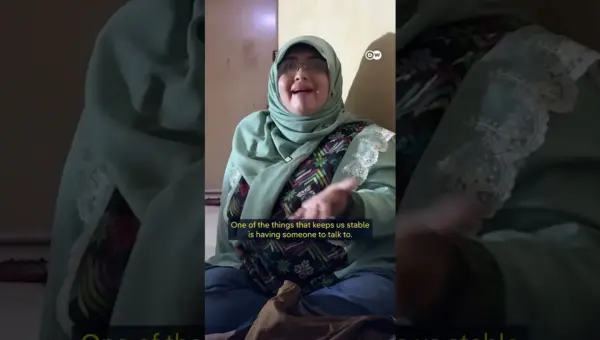
Indonesia Mental Health Centers Accused of Abuse, Survivors Speak Out
Survivors of Indonesian mental health facilities are speaking out about horrific abuse, including torture, sexual assault, and neglect. Organizations investigating the claims have documented over 200 cases, highlighting a widespread problem in institutions meant for care. The accounts reveal a critical failure to protect the rights and dignity of vulnerable patients.

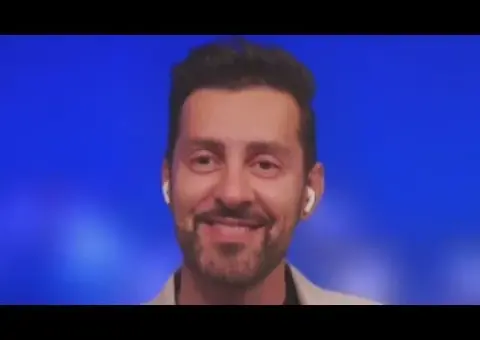
Iran’s Internet Blackout Fuels Global Concern, Hopes
Iran's extended internet blackout is causing widespread anxiety among its people and their families abroad. Comedian Max Amini shared his concerns, highlighting the hardship of disconnection and the deep-seated hope for change within Iran. The situation also raises broader concerns about regional stability and the potential for retribution.


China’s Organ Harvesting: Book Exposes CCP’s Deadly Trade
A new book, "Killed to Order," exposing the Chinese Communist Party's alleged forced organ harvesting from prisoners of conscience, has hit The New York Times bestseller list. The book details the scale of the operation and claims the West has been made complicit over decades.