New Drug Tricks Immune System to Fight Cancer Like Virus
Scientists have developed a new experimental gold compound that tricks the immune system into attacking cancer cells like a virus. This 'viral mimicry' approach shows promise in early tests on mice, potentially leading to more targeted and less harmful cancer treatments in the future.

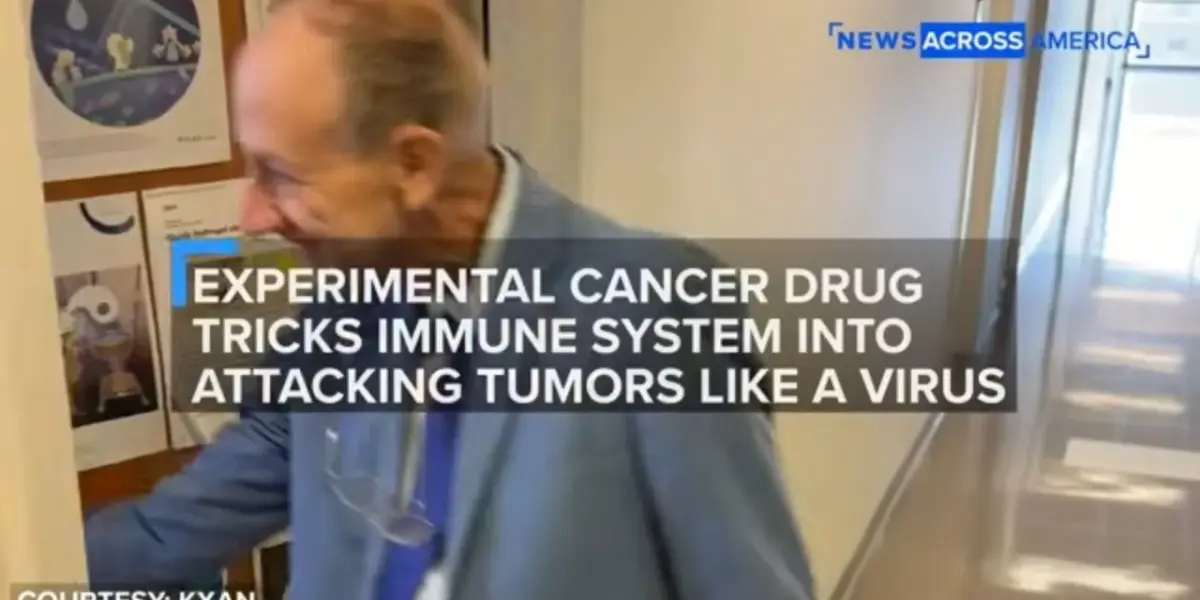
New Drug Tricks Immune System to Fight Cancer Like Virus
Scientists have developed a new experimental drug that uses a clever trick to help the body fight cancer. The drug makes cancer cells look like they are infected with a virus. This causes the body’s own immune system to attack and destroy the cancer cells. This approach could change how we treat many types of cancer in the future.
How the Drug Works: Viral Mimicry
Researchers at the University of Texas in Austin are behind this exciting new discovery. They created a special gold compound. When this compound is used on cancer cells, it changes them. These changed cancer cells then send out signals that are identical to the signals sent by cells infected with a virus, like the flu or COVID-19. The immune system is naturally programmed to fight off viral infections. By making cancer cells look like viruses, the drug essentially ‘tricks’ the immune system into seeing cancer as a dangerous invader that needs to be eliminated.
From Lab to Mice: Promising Early Results
The research team, led by chemistry professors Jonathan Cesler and Brent Iverson, along with PhD candidate Matthew Lavine, conducted tests using colorectal cancer cells. They treated these cancer cells with the gold compound. Then, they injected these treated cells into mice. The mice’s immune systems recognized the ‘viral signature’ and mounted an attack. To further test this, they injected healthy, untreated cancer cells into the same mice a week later. In these mice, the tumors did not grow. This suggests that the immune system, once trained to recognize the cancer cells’ ‘viral mimicry,’ could prevent new cancer from developing.
A New Hope for Cancer Patients
This research offers a new direction in cancer treatment. Current treatments like chemotherapy can be very harsh. They often damage healthy cells along with cancer cells, leading to severe side effects. This new drug aims to use the body’s own powerful defense system, the immune system, to target cancer specifically. This could lead to treatments that are not only more effective but also have fewer side effects for patients. While the research is still in its early stages, it represents a significant step forward in understanding how to harness the immune system against cancer.
Looking Ahead: The Path to Clinical Use
The scientists involved emphasize that this drug is still experimental. They are nowhere near ready to use it in people. Much more research and testing are needed before it can be considered for clinical use in patients. However, they are hopeful that this discovery can change the way doctors and scientists think about fighting cancer. It opens up possibilities for new therapies that work with the body’s natural defenses. The goal is to make cancer treatment more targeted and less harmful.
Global Impact
This development could eventually impact cancer treatment worldwide. If proven safe and effective, this ‘viral mimicry’ approach could be adapted for various types of cancer. It offers a potential alternative or addition to existing treatments like chemotherapy and radiation. The economic impact could also be significant, potentially reducing healthcare costs associated with managing severe side effects of current treatments. Furthermore, it could spur further research into similar immune-boosting cancer therapies.
Historical Context
The idea of using the immune system to fight cancer is not entirely new. For decades, scientists have explored immunotherapy, where the body’s immune defenses are stimulated to attack cancer. Early forms of immunotherapy date back to the late 19th century. However, this new drug represents a novel strategy within immunotherapy. By using ‘viral mimicry,’ it creates a very specific and strong signal for the immune system, building on decades of research into how viruses and the immune system interact.
Future Scenarios
One likely future scenario is continued laboratory research and testing in animal models. If successful, the drug would then move to human clinical trials. These trials would test its safety and effectiveness in small groups of patients, then larger groups. Another possibility is that this ‘viral mimicry’ concept could inspire the development of other drugs that use similar principles to activate the immune system against different diseases. A less likely, but possible, scenario is that the drug encounters unforeseen challenges in trials, leading to its development being halted or significantly altered.
Source: Experimental cancer drug tricks immune system into attacking tumors like a virus | News Across Ameri (YouTube)

Related Articles

Parasite Drugs Show Promise Against Cancer, Study Suggests
New research suggests that drugs developed for parasitic worms could offer a new approach to fighting cancer. These medications may disrupt cancer cells' energy production and structural integrity, while also supporting the immune system.


Beyond Bone Health: Vitamin D’s Hidden Immune and Brain Power
Emerging research suggests Vitamin D's role extends far beyond bone health, significantly impacting the immune system and brain function. While toxicity concerns are often highlighted, deficiency is far more prevalent and carries substantial health risks. Understanding Vitamin D's hormonal-like action and its interaction with co-nutrients like magnesium and K2 is crucial for optimizing health.


Immigrant Status Fuels Deportation Fight in Chicago Murder Case
A murder suspect from Venezuela, Jose Medina-Medina, accused of killing a Loyola student, is at the center of a legal battle. The U.S. government wants him deported, while Illinois wants him to face murder charges. This case highlights the complex intersection of immigration law and criminal justice.