US Spy Agency Seeks Hollywood Influence
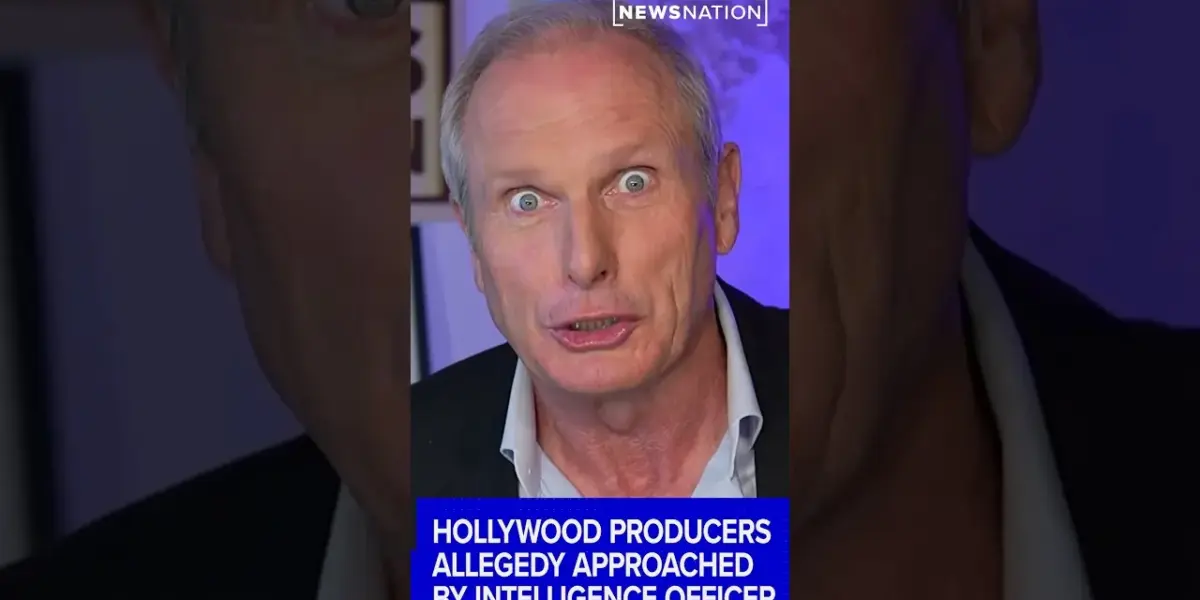
A U.S. intelligence officer reportedly offered producers inside information in exchange for specific narrative inclusions in their shows. This alleged quid pro quo, discussed in relation to the TV series 'Dark Skies,' suggests a new strategy for intelligence agencies to influence public perception through popular culture.

US Spy Agency Seeks Hollywood Influence
A surprising offer from a U.S. intelligence officer to Hollywood producers highlights a new way spies might be trying to shape public understanding. The officer reportedly wanted to give producers inside information about national security topics. In return, the producers would include specific details in their shows. This kind of deal, a “quid pro quo,” suggests a strategic effort to influence how the public sees sensitive subjects.
A Deal for Access and Information
The offer was made to producers, including one named Ross, who were working on a show. The intelligence officer suggested a “slow drip disclosure” of information that they believed should be part of the show. This implies a carefully planned release of facts or ideas. The producers would gain access to what the officer called “inside information.” The officer, in turn, would get “inside access” to the show’s creative process. This exchange was presented as a direct trade: information for access.
‘Dark Skies’ and the Alien Invasion
The transcript mentions a specific TV series, “Dark Skies,” and a particular scene that became a point of discussion. The scene involved an alien with a tentacle-like appendage entering a young woman’s mouth, leading to her possession. This element, described as “body snatchers kind of thing,” was part of the show’s horror and invasion themes. The network had pushed for these elements to make the show more engaging.
Intelligence Officer’s Disagreement
The intelligence officer did not agree with this specific alien possession scene. While he liked other aspects of the show, such as featuring the Navy and suggesting a hidden history, the “ganglen” or tentacle scene was problematic. He reportedly stated, “Well, that’s not the way it’s done.” This comment is striking because it comes from an intelligence officer discussing a fictional story. It strongly suggests he was hinting at a real, unacknowledged method of alien possession, implying that the show’s fictional portrayal was inaccurate to a real, hidden truth.
Implications for Public Perception
This alleged interaction raises questions about the government’s role in shaping popular culture. By offering classified information in exchange for specific narrative choices, intelligence agencies could potentially influence public beliefs about national security, extraterrestrial life, or hidden histories. The goal might be to either prepare the public for certain disclosures or to steer their understanding in a particular direction. The line between fiction and reality becomes blurred when official sources engage with storytellers in this manner.
Broader Context of Government-Hollywood Ties
This incident, though specific, fits into a larger pattern of interaction between government agencies and Hollywood. For decades, the military and intelligence services have worked with filmmakers. They provide access to bases, equipment, and personnel for movies and TV shows. This collaboration often helps create realistic portrayals. However, it can also be used to promote certain government perspectives or to subtly influence public opinion on sensitive topics.
Why This Reshapes the World Order
The potential for intelligence agencies to directly influence fictional narratives is a significant development. It suggests a sophisticated approach to information warfare and public diplomacy. Instead of relying solely on official statements or news releases, these agencies might be seeking to embed their narratives within the entertainment that millions consume. This could be a powerful tool for shaping long-term public attitudes and beliefs, especially on topics that are difficult to discuss openly, like UFOs or secret government programs. It represents a subtle but potentially potent form of soft power, where cultural products become vehicles for state interests.
Future Scenarios
One scenario is that this becomes a more common practice. Intelligence agencies might develop formal programs to brief and influence entertainment creators on a wider range of topics. Another possibility is that this was an isolated incident, a rogue operation by one officer. It could also lead to increased scrutiny of government-Hollywood partnerships, prompting clearer guidelines and oversight. The long-term impact depends on how widespread this practice is and whether it becomes a regular part of intelligence operations.
Source: Hollywood producers allegedly approached by intelligence officer (YouTube)

Related Articles

Iran Conflict: US Made Costly Mistakes, Expert Warns
War game expert Finley Grimble argues the US made significant strategic errors in its approach to Iran, underestimating its retaliation capabilities and the difficulty of controlling the Strait of Hormuz. He suggests declaring victory and withdrawing is the best path forward, rather than getting bogged down in a costly conflict.
US War Funding Faces Congress, Iran Conflict Looms
The Pentagon's request for $200 billion for operations against Iran faces significant opposition in Congress, driven by election year concerns and the war's economic impact on Americans. Diplomatic efforts are indirect, and public support remains low, raising questions about the conflict's sustainability and strategic direction.

Iran War: No Clear Path Forward After Costly Escalation
Representative Adam Smith argues that the war in Iran, launched without a clear endgame, has incurred high costs with questionable strategic gains. He criticizes the lack of transparency and the potential for prolonged, costly engagement, questioning the effectiveness of military action against a deeply entrenched regime.