DOJ Pays Millions to Ally: Is This Legal?
A $1.2 million payout from the DOJ to Mike Flynn, a former Trump ally, has sparked outrage and questions about legality and oversight. Critics fear a pattern of "grift and corruption," while calls for accountability echo historical precedents.

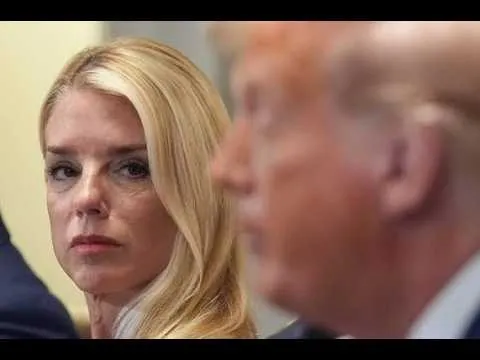
DOJ Payouts Spark Outrage Amidst Corruption Claims
A recent payout of over a million taxpayer dollars from the Department of Justice (DOJ) to Mike Flynn, a former national security adviser under Donald Trump, has ignited a firestorm of criticism. Flynn, who previously pleaded guilty to lying to the FBI, later sought millions from the government after receiving a presidential pardon. The lawsuit was initially dismissed but was revived after Donald Trump returned to power. Now, under the leadership of Pam Bondi, the DOJ has reportedly paid Flynn $1.2 million.
Flynn’s Legal Woes and Shifting Claims
Mike Flynn’s legal journey has been complex. He pleaded guilty to lying to the FBI in 2017, a plea he reaffirmed in court in 2018. At the time, his lawyer stated his guilty plea was knowing, intelligent, and voluntary. The presiding judge, Emmet Sullivan, even remarked that Flynn had “arguably sold your country out.” However, Flynn later sought a delay in sentencing to cooperate with prosecutors, only to file a motion to withdraw his guilty plea. He claimed he was mistreated and targeted because he was part of the Trump campaign, accusations dismissed as baseless by critics.
Following a pardon from Donald Trump, Flynn filed a lawsuit against the DOJ, seeking $50 million. This lawsuit was dismissed in December 2024 by a federal judge in Florida. However, with Trump back in power, Flynn’s request for millions was revisited.
“This is just more of the grift and corruption that, you know, basically defines the Trump presidency.”
Questions of Legality and Oversight
The decision to pay Flynn has raised serious questions about the DOJ’s authority and the use of taxpayer money. Critics question how the DOJ can unilaterally issue large checks to individuals, especially those with a history of legal trouble and political alignment. The situation is further complicated by a separate DOJ payout of $5 million to an individual involved in the January 6th Capitol events, leading to accusations that “MAGA crime pays.” This raises concerns about a lack of oversight and the potential for the federal government to be used as a “slush fund.”
Legal analysts suggest that such actions may not be legal, but the enforcement of laws becomes difficult when political figures are perceived to be above them. The concern is that this sets a precedent, potentially encouraging others who faced scrutiny during the Mueller probe and the first Trump administration to seek similar payouts.
Calls for Accountability and Historical Parallels
The current situation has led to strong calls for accountability, with some comparing the need for future investigations and potential prosecutions to the Nuremberg trials. The argument is that a corrupt government must be held responsible for its actions against the people. Failure to do so, it is feared, signals to future autocrats that they can act with impunity.
Critics of this approach argue that focusing on past actions could further divide the country and hinder progress. However, proponents of accountability counter that past attempts to move on without addressing wrongdoing, such as the pardon of Richard Nixon, have ultimately failed to prevent future crises. They believe that ignoring or downplaying alleged crimes based on political affiliation risks the very foundation of democracy.
The Path Forward: Accountability or Reconciliation?
The debate centers on whether the nation should pursue rigorous accountability for alleged misconduct, even if it proves politically divisive, or prioritize reconciliation and moving forward. The outcome of these debates will significantly shape the future of the rule of law and democratic norms in the United States. The urgency of the situation is emphasized by the belief that if accountability is not pursued, the republic itself is at risk.
The discussion highlights a critical juncture for the nation’s legal and political systems. The question remains: how can a government ensure justice and uphold the rule of law when accusations of corruption and political favoritism arise from within its own departments?
Source: BREAKING: Pam Bondi caught in SHOCKING new payout scandal (YouTube)

Related Articles


Iran Hacks FBI Director: A Stunning Breach of US Security
Iranian hacker groups claim to have breached the personal email of former FBI Director Cash Patel. This incident raises serious concerns about U.S. government security and follows other controversies surrounding Patel's tenure. It highlights the ongoing threat of foreign cyberattacks.
Trump’s Iran Troop Plan: A Recipe for Disaster?
Former Congressman Denver Riggleman warns that sending U.S. troops into Iran would be a disastrous plan, citing risks of casualties, unpreparedness for modern warfare, and damage to America's global reputation. He highlights the confusion over war aims and the erosion of trust with allies, suggesting such a move would be politically unpopular and strategically unsound.
Trump’s Venezuela Policy Fuels US Energy Boom, Burgum Claims
Interior Secretary Doug Burgum claims President Trump's policies are boosting US energy production and reviving Venezuela's oil output. Opposition leader Maria Karina Machado calls for transparency and security in Venezuela's oil sector to prevent corruption.