Navy F-18 Dodges Iran Missiles Near Chabahar
A U.S. Navy F/A-18 Super Hornet narrowly escaped a missile attack during a mission near Chabahar, Iran. The jet evaded Iranian MANPADS while conducting a low-level strafing run. The incident occurred as a deadline concerning the Strait of Hormuz was extended.

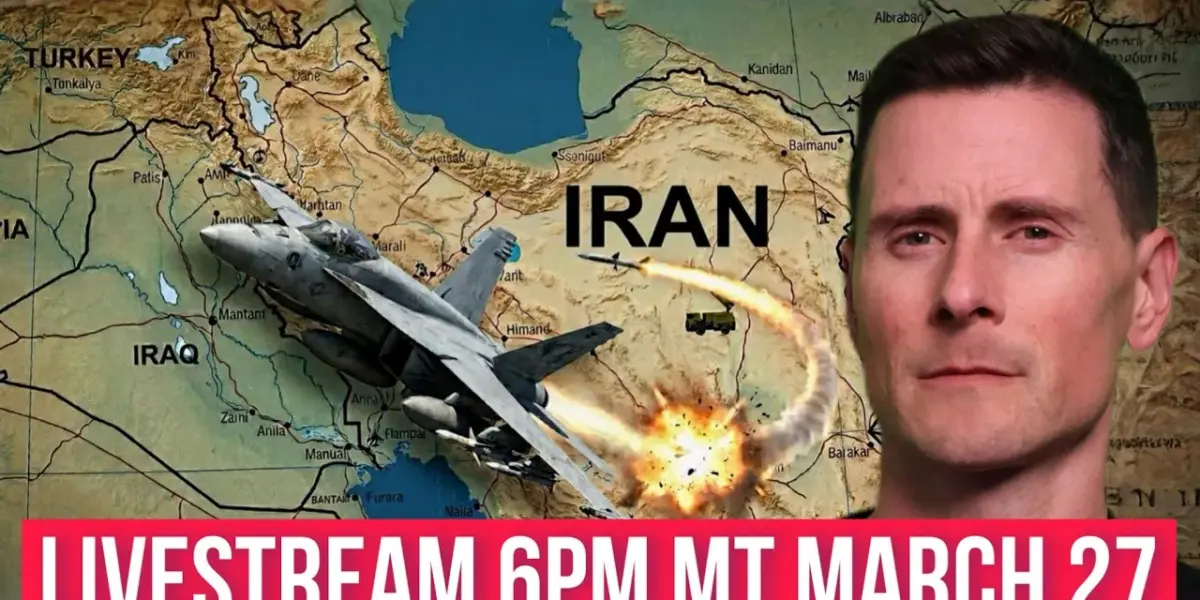
Navy F-18 Dodges Iran Missiles Near Chabahar
A U.S. Navy F/A-18 Super Hornet narrowly avoided a missile attack during a low-level mission near Chabahar, Iran. The jet was conducting a strafing run when it was targeted by Iranian shoulder-fired anti-aircraft missiles, known as MANPADS. Dramatic video footage shows the fighter jet successfully evading the threat and continuing its mission unharmed.
Close Call Near Strategic Port
The incident occurred close to Chabahar, a strategically important port city on the Gulf of Oman. This area is a key transit point for global shipping. The F/A-18 Super Hornet, a twin-engine strike fighter, was reportedly engaged in a low-level strafing run. This type of mission involves flying low to attack ground targets with cannons or rockets.
During the operation, the Super Hornet faced a sudden threat from Iranian MANPADS. These are portable missile systems that can be fired by individual soldiers. The pilot demonstrated exceptional skill by evading the incoming missile. The aircraft sustained no damage and completed its assigned task. This event highlights the ongoing risks faced by U.S. forces operating in sensitive regions.
Strait of Hormuz Deadline Extended
In related news, President Trump has extended a deadline concerning the Strait of Hormuz. This vital waterway is a critical chokepoint for global oil supplies. The extension provides a short additional period for diplomatic or military adjustments. The exact nature of the original deadline and the reasons for its extension were not detailed in the available information.
U.S. Forces Destroy Over 10,000 Targets
The report also noted significant operational tempo for U.S. forces. American military units have reportedly destroyed over 10,000 targets. This figure likely refers to enemy combatants, equipment, or infrastructure in ongoing operations. Such a high number suggests sustained and intensive combat activity. The specific conflict or theater where these targets were destroyed was not specified.
Strategic Implications
The incident near Chabahar underscores the volatile security situation in the Persian Gulf region. Iran’s demonstrated willingness to engage U.S. aircraft with MANPADS poses a direct threat to air operations. The F/A-18’s successful evasion is a testament to pilot training and aircraft survivability systems. However, it also points to the persistent danger of low-altitude flight in contested airspace.
The extended deadline regarding the Strait of Hormuz suggests ongoing diplomatic or strategic maneuvering. Control of this strait is crucial for international trade and energy security. Any disruption there can have significant global economic consequences. The large number of targets destroyed by U.S. forces indicates a high level of military engagement, likely in response to ongoing threats or conflicts.
Historical Context
The use of MANPADS by state actors or non-state groups is a long-standing concern for air forces worldwide. These weapons, often relatively inexpensive and portable, can pose a serious threat to even advanced aircraft, particularly during low-altitude flight. Incidents involving MANPADS have occurred in various conflicts over the past decades. They represent a asymmetric threat, where a less technologically advanced force can challenge a more powerful one.
What This Means on the Ground
For pilots flying missions in potentially hostile areas, this incident serves as a stark reminder of the dangers. It emphasizes the need for constant vigilance and advanced threat detection. For military planners, it highlights the importance of robust air defense suppression capabilities and effective electronic warfare. The ability of the F/A-18 to survive this encounter is a positive outcome. It demonstrates the effectiveness of the Super Hornet platform and the training of its crew.
The broader geopolitical context involves the complex relationship between the U.S. and Iran. Operations in the Strait of Hormuz and surrounding waters are frequently tense. The U.S. Navy maintains a significant presence to ensure freedom of navigation. Iran views such presence with suspicion and sometimes responds with assertive actions.
Source: You WON'T BELIEVE What Just Happened to a U.S. Navy F-18 in Iran LIVESTREAM | 6pm MT 27 March (YouTube)

Related Articles


Asia Faces Oil Shortages as Middle East War Disrupts Global Energy
A war in the Middle East has triggered widespread oil and gas shortages across Asia, leading to protests, rationing, and long fuel lines. The crisis, described as the largest supply disruption in history, is forcing governments to take drastic measures and is creating economic strain throughout the continent. Analysts are closely watching the Strait of Hormuz and diplomatic efforts to ease the energy emergency.


Gov’t Shutdown Grips Nation as Markets Plunge
The U.S. government shutdown continues, causing historic airport delays and deepening political gridlock as lawmakers reject compromise deals. Meanwhile, Wall Street experienced a sharp sell-off, with the Dow entering correction territory amid rising global oil prices and escalating tensions with Iran over control of the Strait of Hormuz.


Iran Bombs U.S. Planes, Escalating Mideast Conflict
Iran has directly attacked U.S. aircraft stationed in Saudi Arabia, confirmed by satellite imagery showing significant destruction. This escalation follows other recent incidents and comes amid threats of continued conflict, with officials estimating the war could last several more weeks.