Meta Whistleblower: Zuckerberg Ignored Child Safety Warnings
A former Instagram executive revealed that Meta knew about the harm its platforms caused to children but failed to act. Art Behar testified that Mark Zuckerberg ignored his direct warnings, highlighting the addictive design and ineffective safety tools on Instagram. The recent Los Angeles ruling against Meta has opened the door for greater scrutiny of big tech's practices.

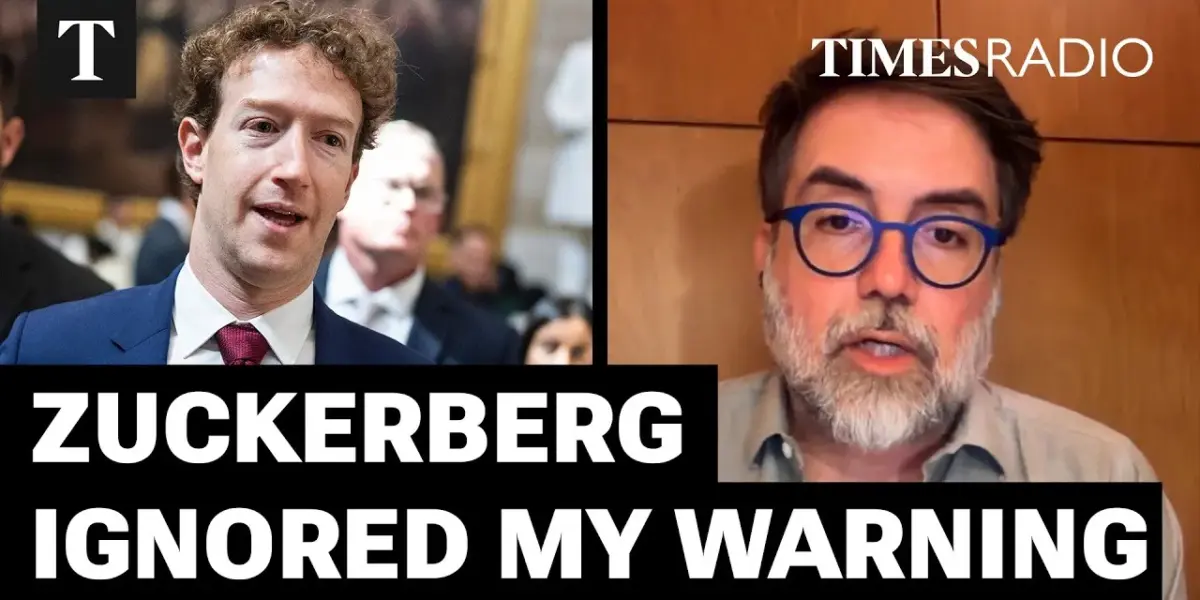
Meta Accused of Prioritizing Engagement Over Child Safety
A recent Los Angeles jury ruling against Meta, the parent company of Facebook and Instagram, has brought renewed attention to the potential harms of social media platforms on young users. The jury found that Meta’s platforms caused harm to a teenager who became addicted. Art Behar, a former director of engineering and head of integrity and care policies at Instagram, testified during the trial. He presented evidence suggesting that Meta executives were aware of the harm caused by their platforms, particularly to children.
Instagram’s Design: Addiction and Harmful Content
Behar explained that Instagram’s design inherently contributes to harm. He stated that the platform is primarily built to connect young users with strangers, with insufficient systems to protect them from harmful content, including material related to suicide and self-harm. Instagram is also effective at amplifying such content once it appears. Furthermore, the platform’s addictive design aims to capture as much user attention as possible, leading to excessive screen time for many children.
“The changes over the last 10 years transformed it from an app that you use to an app that uses you, right? That that gets you in and keeps you there as long as they can.”
Critique of Meta’s Safety Tools
Meta claims to have safety tools within Instagram, such as “teen accounts,” which are presented as offering peace of mind to parents. However, Behar highlighted a study by New York University that tested these tools. The study found that 30 out of 47 of the most important tools did not work effectively. Examples include children being unable to set time limits on their usage and the platform recommending content related to self-harm even when users were searching for it. Behar stated these tools do not perform as advertised, contributing significantly to the problem.
The Evolution of Instagram: From Connection to Exploitation
Behar described how Instagram has changed from its earlier days. He recalled it being a place to connect with friends and people you knew, where you could see their updates and messages and then stop using the app. Over the past decade, however, he believes the platform has shifted. It now prioritizes keeping users engaged for as long as possible, often with content they haven’t sought out. This is achieved through features like infinite scroll, which quickly delivers a constant stream of content.
The “Fire Hose” of Content
The infinite scroll mechanism works by noticing when a user pauses on a video. The platform then rapidly gathers similar content and presents it. Behar noted that if a user pauses on something shocking, like violent content, the entire feed can quickly become filled with similar disturbing videos within minutes. This happens regardless of the user’s interests, and children are exposed to this content without parents’ awareness due to the platform’s design.
Whistleblower’s Direct Appeal to Zuckerberg
Behar detailed his experience raising concerns within Meta. He spent nearly a year conducting a study involving hundreds of thousands of users to document harmful experiences on Instagram. He then sent an email directly to Mark Zuckerberg, providing data on the extent of harm experienced by children, with figures indicating frequent negative experiences for young users. Despite the detailed information, Behar stated that Zuckerberg did not respond.
“He didn’t even bother to respond.”
Anticipating Meta’s Response and Future Implications
Regarding Meta’s likely response to the legal ruling, Behar anticipates the company will emphasize its leadership in safety and stand by its record. He described this stance as “shameful” when closely examined. Behar believes the trial is just the beginning of a larger change. He hopes it will open doors for more scrutiny and empower regulators with internal documentation that reveals how much Meta knew about the harm caused by its platforms and how little action it took.
Financial Incentives and Platform Design
The article touches on the financial aspect of social media. The longer users spend on platforms like Instagram, the more advertising revenue the company generates. Behar acknowledged that removing features like infinite scroll, which makes the app less addictive, would result in a significant financial hit due to reduced ad inventory. He suggested this is a key reason why Meta resists making even basic changes to improve safety and reduce addictiveness.
The Broader Impact on Society
The conversation extended to how social media affects adults and children differently. Behar pointed out that adults may have more ability to regulate their usage, but even they are often pulled away from real-world interactions by notifications. He stressed that children, as digital natives, are even more susceptible. He raised concerns about how society can learn to connect authentically when people, especially children, spend most of their time facing screens rather than engaging with each other.
Looking Ahead
The legal challenges and whistleblower testimonies against Meta are likely to intensify scrutiny of social media platforms. Future developments will involve how regulators respond to the evidence presented and whether Meta will be compelled to implement more substantial safety changes. Parents and users will also likely become more aware of the addictive design elements and potential harms, potentially driving demand for safer online experiences.
Source: I Warned Zuckerberg About The Harm To Children, He Didn't Bother To Respond | Meta Whistleblower (YouTube)

Related Articles

Social Media Giants Face Lawsuits Over Addictive Designs
Tech giants Meta and Google are facing significant legal challenges as juries find them liable for the addictive design of their platforms and the harm caused to young users. Recent verdicts in California and New Mexico have ordered the companies to pay millions in damages, highlighting concerns over mental health impacts and child exploitation.


Meta, YouTube Lose Landmark Cases Over Teen Harm
Meta and YouTube have been found liable in landmark cases alleging their platforms contribute to harm among teenage users. Juries saw through company denials after prosecutors presented damning internal documents showing awareness of negative impacts. This ruling could lead to significant changes in how social media companies are held accountable.


Meta Faces Legal Reckoning: Social Media’s Future in Question
Meta and YouTube have faced significant legal setbacks this week with court rulings finding them liable for social media's harm to young users. These "bellwether" cases could fundamentally alter how tech platforms are regulated and designed going forward, signaling a new era of accountability for the social media industry.