Iran Missile Fire Fails to Down F-18 Hornet
An F-18 Super Hornet evaded a surface-to-air missile fired by Iran near Chabahar, demonstrating advanced U.S. air power. The incident occurs amid broader U.S. operations aimed at degrading Iran's military capabilities and strategic influence.

Iran Missile Fire Fails to Down F-18 Hornet
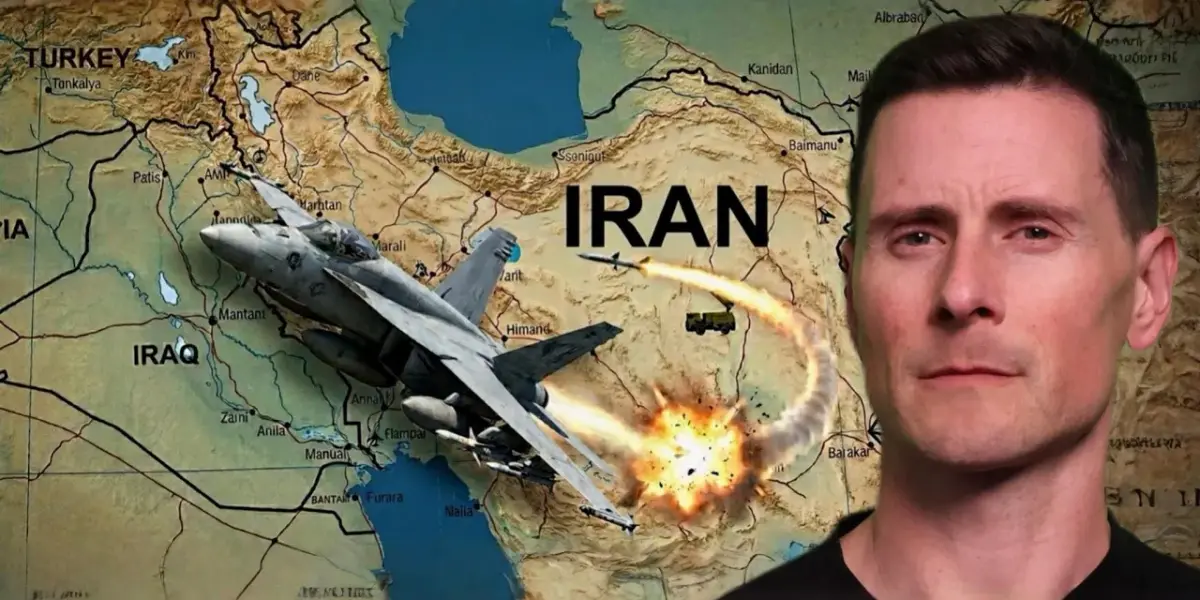
An F-18 Super Hornet conducting a low-level strafing run near Chabahar, Iran, successfully evaded a surface-to-air missile fired by Iranian forces on March 26th. The incident occurred on day 27 of a U.S.-led operation against Iran.
The F-18 was using its 20mm M61 Vulcan cannon when the missile was launched. It detonated nearby, but the aircraft sustained no damage and returned safely to its base. This event highlights the capabilities of the F-18 Super Hornet, a twin-engine strike fighter known for its speed, maneuverability, advanced radar, and significant weapons payload.
F-18 Super Hornet’s Role and Capabilities
The F-18 Super Hornet is a key asset for the U.S. Navy, serving as a versatile workhorse for strike missions. Its twin F414 engines provide high performance, while its advanced AN/APG-79 AESA radar enhances its situational awareness. The aircraft is designed to operate from aircraft carriers and perform in contested airspace.
During the Chabahar incident, the pilot employed evasive maneuvers and likely utilized the Super Hornet’s sophisticated electronic warfare suite. This suite, known as the Integrated Defense Electronic Countermeasures (IDECM), includes jammers, dispensers for chaff and flares, and radar warning receivers. These systems work together to confuse and evade incoming missiles. Advanced countermeasures, such as the AN/ALE-50 or AN/ALE-55 fiber optic towed decoys, can be deployed to draw missiles away from the aircraft.
Iran’s Military Posture and Strategic Context
The incident near Chabahar, a port city on Iran’s southeastern coast, suggests Iran is employing shoulder-fired missiles, often referred to as Man-Portable Air Defense systems (MANPADS). These weapons are dangerous, especially during low-altitude flight operations near rugged coastlines. The report suggests these MANPADS could be supplied by Russia or China, and their widespread, hidden deployment makes them difficult to eliminate entirely.
The F-18 had reportedly been operating in the Chabahar area for approximately ten days, conducting strafing runs. This sustained presence likely led Iranian forces to position MANPADS for potential engagement. The IRGC (Islamic Revolutionary Guard Corps) claimed to have hit the jet and that it crashed, assertions which were debunked by U.S. Central Command (CENTCOM). This claim may reflect an Iranian effort to project strength amidst military setbacks.
Broader Geopolitical and Military Developments
The report mentions other concurrent military activities. CENTCOM released footage of F-15E Strike Eagles from the 389th Fighter Squadron, also known as the “T-Bolts,” conducting operations. Additionally, Patriot missile interceptor systems are noted as being maintained, underscoring their importance in countering ballistic missile threats.
U.S. F-35 fighter jets were shown conducting mid-air refueling during Operation Epic Fury. These operations demonstrate the U.S. military’s ability to sustain air power over extended periods and distances.
Leadership and Political Dynamics
The death of IRGC Navy commander Admiral Alireza Tangsiri, reportedly due to an Israeli airstrike, was highlighted. Admiral Tangsiri had commanded the IRGC Navy for eight years and was designated a global terrorist by the U.S. Treasury in 2019. U.S. officials believe his death makes the region safer.
President Trump has indicated progress in talks with Iran, extending a deadline related to the Strait of Hormuz. However, reports also suggest Iran blocked two Chinese ships from passing through the strait, indicating potential internal divisions or conflicting messages within the Iranian regime. The IRGC continues to issue strong rhetoric, demanding war reparations and asserting control over the Strait of Hormuz, despite reported military losses.
Strategic Implications
The F-18’s successful evasion of the missile, coupled with Iran’s disputed claims of a successful engagement, suggests a disparity in air defense capabilities. Iran’s military, particularly its ability to project power beyond its borders, is reportedly being degraded. The U.S. operations, involving platforms like the F-18, F-15E, B-52, and B-1 bombers, have reportedly struck over 10,000 targets. This extensive targeting campaign aims to diminish the IRGC’s military infrastructure, including ballistic missile and drone facilities.
The deployment of additional U.S. forces, including a Marine Expeditionary Unit and approximately 1,000 paratroopers from the 82nd Airborne Division, signals a significant increase in U.S. military presence in the region. These forces, working in conjunction with naval and air assets, are intended to enhance joint operational capabilities. The strategic goal appears to be securing key chokepoints, such as ports controlling energy flow and access to the Strait of Hormuz, thereby limiting Iran’s bargaining power.
The sustained operations by F-18 Super Hornets could transition to persistent patrols and close air support missions, potentially aiding ground forces in securing strategic locations. This coordinated approach aims to neutralize remaining IRGC positions and establish firm control over vital maritime routes, effectively isolating Iran.
The report suggests that Iran’s actions, including escalating rhetoric and demands, may stem from a position of desperation as its military capabilities are diminished and its leadership faces internal pressures. The ongoing conflict and U.S. military actions appear to be progressing ahead of the initially projected four to six-week timeline for degrading key Iranian military structures.
Source: Iran Tried Shooting Down an F-18 Then THIS HAPPENED (YouTube)

Related Articles

Iran Missile Threatens U.S. F-18 Near Chabahar
A U.S. Navy F-18 Super Hornet evaded a surface-to-air missile fired by Iran near Chabahar. The incident highlights advanced U.S. countermeasures and ongoing regional tensions.


Ex-Intel Officer Warns: Trump’s Iran Policy Risks Escalation
Former US Navy intelligence officer Malcolm Nance warns that President Trump's rhetoric and strategic decisions regarding Iran are dangerously misguided. Nance highlights the extensive combat experience of Iran's Supreme Leader and criticizes the unpreparedness of US amphibious operations, fearing potential escalation.

Navy F-18 Dodges Iran Missiles Near Chabahar
A U.S. Navy F/A-18 Super Hornet narrowly escaped a missile attack during a mission near Chabahar, Iran. The jet evaded Iranian MANPADS while conducting a low-level strafing run. The incident occurred as a deadline concerning the Strait of Hormuz was extended.