Red States Face Tax Dilemma as Voters Demand Services
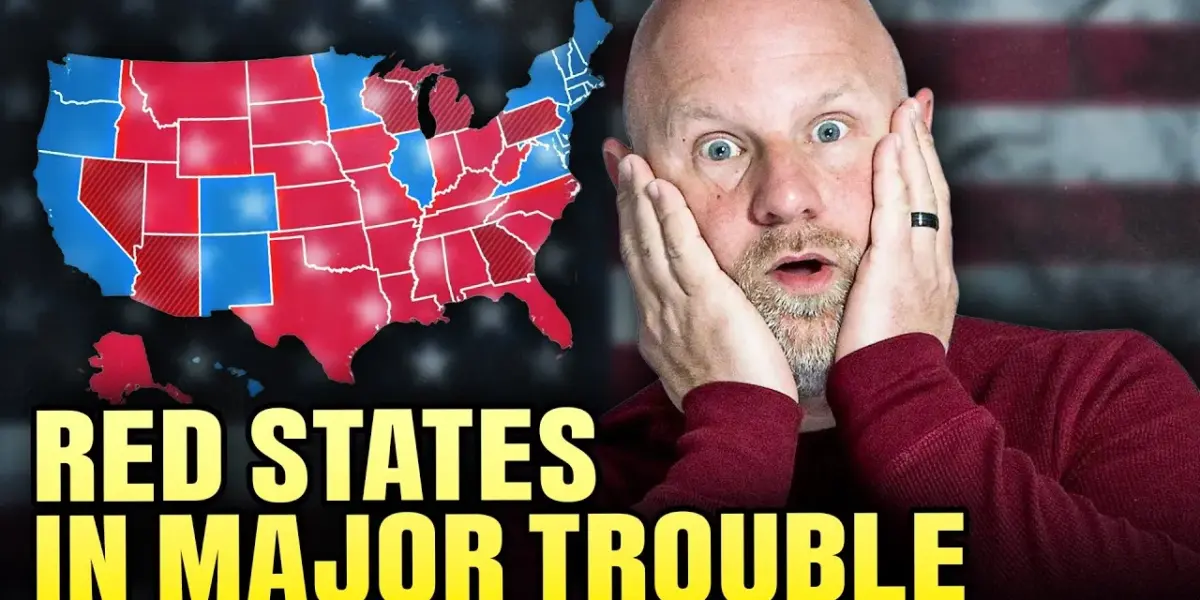
Voters in Republican-led states are signaling a change in priorities, indicating they'd rather pay higher taxes for essential services like roads and schools than continue with tax cuts. This marks a significant shift from decades of anti-tax rhetoric and presents a new challenge for politicians.

Red States Face Tax Dilemma as Voters Demand Services
For decades, Republican politicians have strongly argued that taxes are a major problem for everyday Americans. They often promise to cut taxes, but these cuts usually benefit wealthy individuals and large corporations the most. Now, a surprising shift is happening. People in states led by Republicans are starting to realize that taxes, while not fun to pay, are necessary for important services.
This change in thinking is evident in comments from politicians themselves. For example, Idaho Republican Senator Jim Guthrie told Politico that citizens are saying they would rather pay a little more in taxes than lose vital government services. People are looking at their tax returns and deciding that funding roads, bridges, schools, and healthcare programs is more important than keeping a few extra dollars in their pockets.
A Shift in Priorities
This realization marks a significant change. It suggests that the long-held Republican message about cutting taxes might finally be losing its power. Voters, it seems, are connecting the dots between paying taxes and the quality of services they receive daily. This includes basic infrastructure like roads and bridges, as well as essential public services like schools, police, and firefighters.
Oklahoma Republican Representative Trey Caldwell also highlighted a financial challenge facing his state. He mentioned that his state will face costs in fiscal year 2027 due to a new law. This law, signed by former President Trump, undid many parts of President Biden’s infrastructure and investment plan. This plan had been bringing significant funding into Republican-led states.
Unforeseen Costs of New Laws
The problem is made worse by another issue. A law called the “One Big Beautiful Bill Act” introduced new requirements for programs like Medicaid. These requirements include things like work mandates and stricter standards for government programs. However, the law did not provide states with the money needed to meet these new demands.
Now, states are realizing they will have to spend tens of millions of dollars immediately. This money is needed to hire more staff, upgrade computer systems, and buy new equipment. If they don’t make these changes, they risk owing hundreds of millions of dollars in fines and fees for non-compliance. This situation is leading some to quietly admit that if certain tax cuts hadn’t happened, they wouldn’t be in this financial bind.
The Core of the Matter
What’s remarkable is that these concerns aren’t coming from liberal areas. They are coming directly from voters and politicians in Republican-controlled states. They are beginning to understand that taxes, even though they are an inconvenience, are not the enemy they were once led to believe. This suggests a growing public awareness that government services require funding.
Why This Matters
This developing situation is important because it shows a potential shift in political priorities. For years, tax cuts have been a central promise of the Republican party. However, if voters now value essential services more than lower taxes, it could force politicians to rethink their platforms. It means that the public is starting to demand more from their government in terms of tangible benefits, like well-maintained roads and good schools, rather than just lower tax bills.
Implications and Future Outlook
The implications of this trend could be significant. It might lead to increased support for government spending on infrastructure and social programs. It could also put pressure on Republican politicians to find new ways to fund these services, potentially through tax increases or reallocating existing budgets. The future may see a greater emphasis on the practical outcomes of government policies rather than just the ideological arguments about taxation.
Historical Context
The focus on tax cuts as a primary political driver has been a hallmark of conservative politics since the late 1970s and early 1980s. Figures like Ronald Reagan championed the idea that lower taxes would stimulate economic growth. This philosophy has largely guided Republican policy for decades. However, the current economic realities and the visible need for public services are challenging this long-standing approach. The current situation echoes earlier periods where public demand for services clashed with fiscal conservatism, but the recent shift in voter sentiment in traditionally conservative states is particularly noteworthy.
Source: Red States In TOTAL CRISIS As They Beg To Pay Higher Taxes (YouTube)

Related Articles


CPAC Crowd’s Boos Reveal GOP’s Deep Divide
A moment at CPAC where the crowd booed impeachment hearings reveals deep divisions within the Republican party. Younger supporters are concerned the GOP base is crumbling due to issues like the Iran war, gas prices, and other controversies.
Florida Shockwave: Red State Flip Signals GOP’s Midterm Peril
Democrats have secured key victories in deep-red Florida districts, boosting their chances of winning both the House and Senate in the upcoming midterms. This surprising trend suggests a potential shift in voter sentiment, even in traditionally Republican strongholds.

MAGA Faces Crisis: Internal Strife and Public Doubt Emerge
The MAGA movement is reportedly facing internal divisions and growing public doubt. Key issues like the Iran conflict and economic concerns are creating rifts within the base, while criticism questions the movement's appeal and direction. These factors suggest a potential fracturing of the once-unified political force.