Trump’s ‘Game Show’ Diplomacy Sparks Mideast Chaos
Analysts are likening Donald Trump's "game show" approach to foreign policy to a natural disaster, arguing his unpredictable tactics have already caused significant damage to global markets and stability. The discussion highlights Iran's strategic advantage and raises concerns about "drift" in British politics regarding finances, energy, and national security.

Trump’s ‘Game Show’ Diplomacy Sparks Mideast Chaos
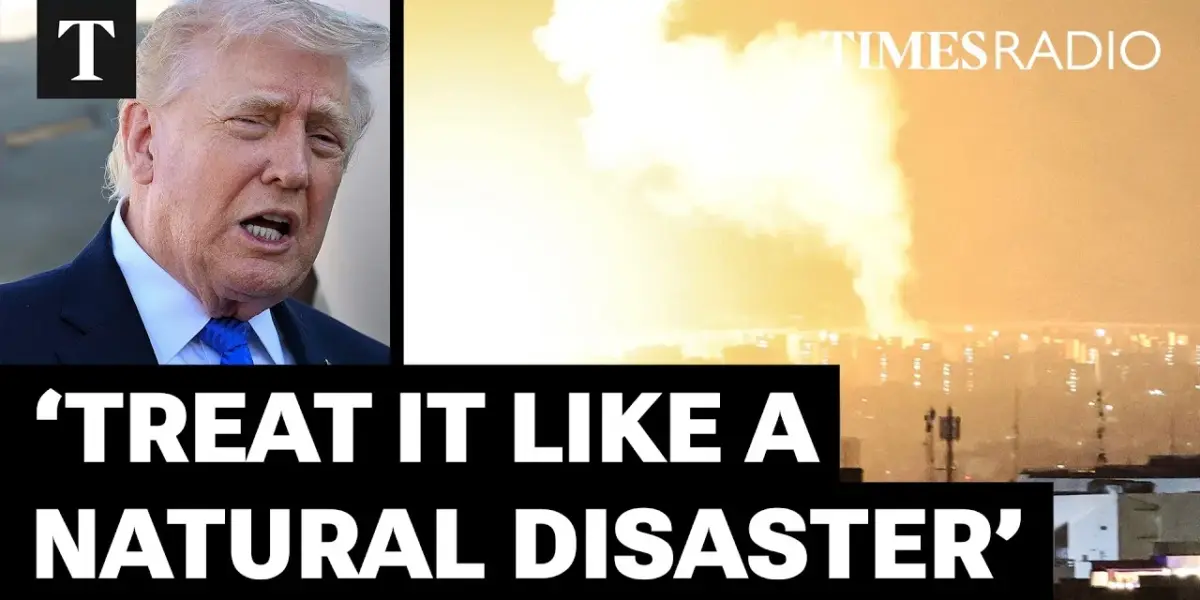
In a striking display of unconventional foreign policy, former President Donald Trump has adopted a “game show” approach to high-stakes international negotiations, particularly concerning the Middle East. This tactic, characterized by unpredictable pronouncements and a seemingly casual attitude towards serious geopolitical issues, is drawing sharp criticism from analysts who argue it has already inflicted significant damage on global markets and international stability. The situation has been likened by some to a natural disaster, emphasizing the uncontrollable and damaging nature of the fallout.
A ‘Natural Disaster’ Approach to Global Affairs
Alice Denby, features editor at City AM, offered a stark analogy, comparing the current geopolitical climate to a natural disaster. “I think this whole situation, we shouldn’t be treating it like a war or like a political dilemma or something that can be subject to reason,” Denby stated. “To me, I think it’s more like a natural disaster, right? I think it’s something you just can’t reason with and you just have to adapt and cope with it however you can.” She elaborated that this perspective highlights the damage already done to the fundamental infrastructure of global markets, suggesting that some consequences are irreversible.
Trump’s Negotiating Style Under Scrutiny
Donald Trump recently announced a 10-day pause on air strikes against Iran’s energy infrastructure, citing progress in peace talks. He explained his decision, stating, “They asked for seven. You’re going to say, ‘Oh, Trump’s a terrible negotiator.’ They asked for seven and I said, ‘I’m going to give you 10 because they gave me ships.'” This approach, while framed as a strategic move, has been widely interpreted as performative and lacking in genuine diplomatic substance.
Michael Binion, diplomatic editor of The Times, observed the contradictory nature of Trump’s actions. “He tries all sorts of tactics at the same time, some of which are completely contradictory, like, you know, we’re negotiating, we’re having peace talks. The Iranians say, ‘No, we’re not.’ One wonders what sort of peace talks there are.” This inconsistency raises questions about the effectiveness and coherence of U.S. foreign policy under such a leadership style.
Iran’s Strategic Advantage
Despite the perceived chaos, Iran appears to hold a strong strategic position. Binion noted, “The Iranians, ironically, to coin a phrase from Donald Trump, hold all the cards. They do.” He pointed out Iran’s ability to control the Strait of Hormuz and its firm grip on its own country, making any direct military intervention extremely difficult and potentially disastrous.
The situation is further complicated by the conflicting objectives of the United States and Israel. While the U.S. seems uncertain about its war aims, Israel is clear: it seeks to dismantle Iran’s leadership to neutralize its threat. This divergence could lead to further instability in the region.
Broader Implications: ‘Drift’ in British Politics
The discussion extended beyond the Middle East to address perceived issues within British politics. Alice Denby criticized a prevailing sense of “drift” in the UK’s approach to public finances, energy security, and national security. She argued that British leaders, unlike Trump who can move markets with his words, often fail to acknowledge the changed global reality.
“Our public finances are in a complete state. We have no energy security at all because we’ve only got something like 12 days gas storage,” Denby highlighted. She also pointed to a moratorium on domestic oil drilling, forcing reliance on imports from potentially hostile regimes, and a concerning state of the UK’s armed forces.
Labor Party Leadership Speculation
The conversation also touched upon the internal politics of the Labour Party, with speculation about potential leadership challenges to Keir Starmer. Figures like Angela Rayner and Ed Miliband were discussed in the context of their influence and ambitions within the party.
Denby expressed a nuanced view on Starmer’s leadership, suggesting that while he may not be a perfect Prime Minister, stability is crucial during times of international conflict. She also critiqued Ed Miliband’s past decisions, arguing they contributed to global instability and that he is ill-suited to challenge for leadership.
The Role of Young MPs and Modern Challenges
The increasing presence of younger Members of Parliament was also examined. While some see it as a positive development, bringing fresh perspectives and attention to the plight of younger generations, concerns were raised about a potential lack of diverse life experience among those who have spent their careers within the Westminster bubble.
The discussion also touched upon the impact of technology, particularly smartphones, on daily life and education. While acknowledging potential downsides like excessive screen time, the participants recognized the significant educational and practical benefits these devices offer, from accessing information to controlling home environments.
Looking Ahead
The current geopolitical landscape, marked by unpredictable leadership and conflicting national interests, suggests a period of continued uncertainty. The effectiveness of Trump’s “game show” diplomacy remains a critical question, as does the ability of nations like the UK to address their internal challenges amidst global turmoil. Observers will be watching closely to see if a more reasoned and stable approach can emerge from the current state of flux.
Source: Trump’s ‘Game Show’ War: ‘The Damage Is Already Done’ | Alys Denby (YouTube)

Related Articles
Pentagon Weighs 10,000 Troops for Iran Showdown
The Pentagon is reportedly weighing a significant troop increase of 10,000 soldiers to the Middle East, potentially escalating tensions with Iran. This move comes amid reports of U.S. precision strikes and interceptions of Iranian missiles by allies, raising concerns about regional stability and global oil supplies.


Tiger Woods DUI Arrest Sparks Political Ripples
Golf legend Tiger Woods was arrested for DUI in Florida after a rollover crash, showing signs of impairment not related to alcohol. President Trump commented on the incident, noting a personal connection through Woods' girlfriend.


CPAC Crowd’s Boos Reveal GOP’s Deep Divide
A moment at CPAC where the crowd booed impeachment hearings reveals deep divisions within the Republican party. Younger supporters are concerned the GOP base is crumbling due to issues like the Iran war, gas prices, and other controversies.